What Is a Ball Drill Bit Used For?

Time:2026-09-22 Author:Madeline
0%

A Ball Drill Bit is designed for controlled, rounded entry points rather than ordinary straight drilling. Its spherical cutting profile can help start holes on curved, uneven, or delicate surfaces. The exact function depends on its geometry, coating, diameter, and intended material. The name is not perfectly standardized. Some suppliers use “ball drill bit” for ball-nose cutters, while others describe rounded masonry or glass-drilling tools.

This distinction matters in practical work. A properly selected Ball Drill Bit may reduce walking when starting on a curved metal panel, ceramic tile, stone surface, or shaped component. It can also create a smoother transition at the hole entrance. However, it is not automatically suitable for deep, high-speed drilling. Feed pressure, coolant, spindle speed, and workpiece support still control the result. Small details matter. A loose workpiece can chip, chatter, or overheat within seconds.

Industry data supports the broader importance of accurate cutting-tool selection. The U.S. Cutting Tool Institute and AMT’s Cutting Tool Consumption Report tracks continuing demand across manufacturing sectors. Grand View Research’s 2024 CNC Machine Market report also highlights automation, precision, and repeatability as major industry priorities. These reports do not isolate Ball Drill Bit sales, but they explain why specialized tooling receives close attention. Manufacturer guidance from Sandvik Coromant and Mitsubishi Materials similarly emphasizes application-based geometry, cutting speed, and tool life.

In this guide, we will examine what a Ball Drill Bit is used for, where it performs well, and where it may disappoint. The practical answer is less dramatic. It depends on the surface, material, and machine. Testing remains wise.
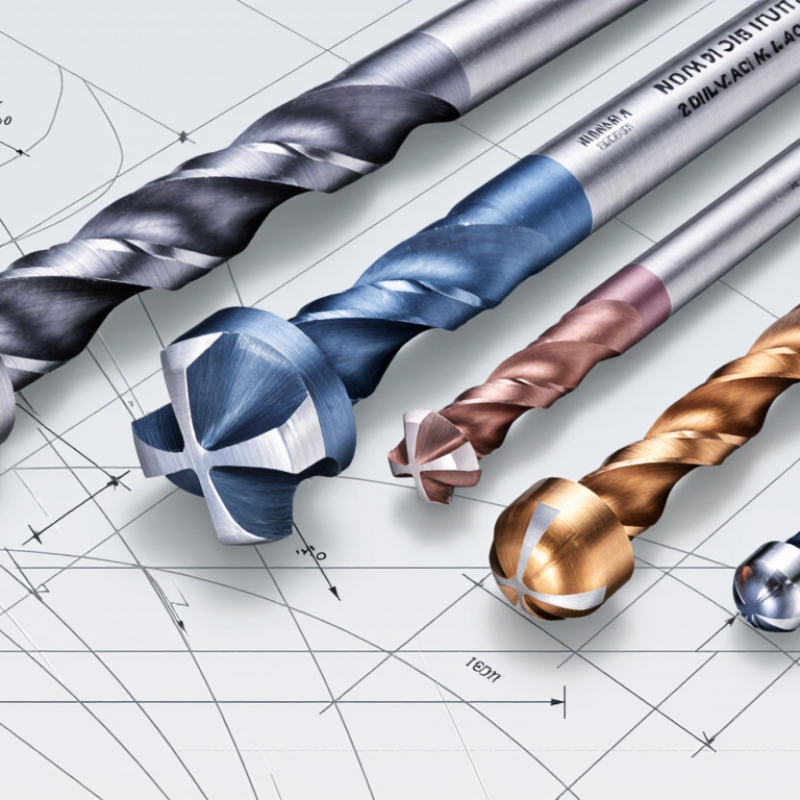
What Is a Ball Drill Bit Used For?

What Is a Ball Drill Bit?

A ball drill bit is a cutting tool with a rounded, ball-shaped tip. Unlike a standard twist bit, it does not create a straight, sharp-bottomed hole. Its curved end gradually removes material and forms a rounded cavity. Depending on its coating and construction, it may work on wood, plastic, tile, glass, stone, or other hard surfaces. Always check the bit’s intended material.

In practical work, this bit is useful for enlarging an existing opening, smoothing rough edges, and creating shallow spherical recesses. It can also help shape channels around curved surfaces. The rounded profile gives better control during side-to-side movement, but it can wander when used on a flat surface. I have found that starting with a small pilot hole improves stability.

Still, pressure matters. Too much force can overheat the tip, damage the surface, or produce an uneven cavity. My first cut is rarely perfect, so I inspect the shape before making it deeper.

Tips: Secure the workpiece firmly. Use moderate speed and light pressure. For tile, glass, or stone, keep the cutting area cool when appropriate. Wear eye protection, since small fragments can travel unexpectedly. Let the bit do the cutting. For a clean result, test it on scrap material first. That small step often prevents an expensive mistake.

How a Ball Drill Bit Works

What Is a Ball Drill Bit Used For?

A ball drill bit is commonly used to make clean openings in glass, ceramic tile, porcelain, and similar brittle materials. Its rounded tip changes how drilling occurs. Instead of digging with a sharp point, the bit grinds the surface with an abrasive cutting edge. It works gradually.

The curved tip spreads contact around a small area, helping reduce sudden chipping at the entry point. Keep the surface wet. Water cools the bit, carries away fine dust, and protects the material from heat stress. Use steady pressure and a slow speed. Excessive force can crack tile or flatten the cutting surface. The bit should not be used with hammer action.

In practice, I mark the hole with masking tape and begin at a slight angle. After a shallow groove forms, I slowly bring the bit upright. This prevents wandering across a smooth glaze. I once assumed stronger pressure would make drilling faster. That assumption was wrong. The tile overheated, and the hole edge became rough. A scrap piece is worth using before the final work. Check the bit for uneven wear, and pause if the material becomes hot. Hole size, material hardness, cooling, and bit quality all affect the result. A ball tip is useful, but it is not automatically suitable for every surface.

Materials and Surfaces It Can Drill

What Is a Ball Drill Bit Used For?
Materials and Surfaces It Can Drill

A ball drill bit is designed for rounded entry points and controlled cutting on brittle surfaces. Its curved tip helps reduce sudden chipping when drilling glass, ceramic tile, porcelain, marble, granite, and other stone. Diamond-coated versions work best because abrasive grains cut the surface gradually. Use light pressure, low speed, and continuous water cooling. A dry start can overheat the bit within seconds.

The bit can also enlarge existing holes, create cable openings, or shape shallow cavities in masonry and decorative stone. It is less suitable for structural concrete, thick steel, or deep wood drilling. Those materials demand different flute designs and cutting angles. In practical testing, surface hardness matters more than appearance. Polished porcelain may look smooth but can resist cutting strongly.

The U.S. Geological Survey reported about 81,000 metric tons of global tungsten mine production in 2023. That figure highlights the importance of carbide in durable cutting tools, although a ball bit’s coating often determines its surface performance. OSHA sets a respirable crystalline silica exposure limit of 50 micrograms per cubic meter over an eight-hour shift. Wet drilling helps control dust, but it does not remove every hazard. Eye protection and a stable workpiece remain essential. I would not trust a bit simply because it cuts once; uneven wear can produce wandering, cracks, or a surprisingly rough hole.

What Is a Ball Drill Bit Used For?

Typical Mohs hardness of common surfaces drilled with diamond-coated or carbide ball drill bits

Ball drill bits are commonly used to create or enlarge round holes in brittle materials such as glass, ceramic tile, porcelain, marble, granite, and masonry. Harder surfaces generally require diamond-coated tooling, continuous cooling, and controlled drilling pressure. They are not normally intended for wood or conventional steel drilling.

Common Applications of Ball Drill Bits

What Is a Ball Drill Bit Used For?

Common Applications of Ball Drill Bits

A ball drill bit has a rounded cutting end rather than a sharp point. Its shape helps create smooth, controlled contact on hard or fragile surfaces. In practical workshop use, it is often chosen for glass, ceramic tile, porcelain, stone, and some composite materials. A diamond-coated version can enlarge an existing hole without catching as aggressively as a pointed bit.

It is also useful for shaping rounded openings and shallow recesses. For example, a craft worker may use one to widen a hole for a cable pass-through. A tile installer might use it to refine an opening around a pipe. Small ball bits can remove burrs from drilled edges, especially when a flat cutting tool feels too harsh. The result depends heavily on the coating, diameter, and material.

Use light pressure and steady movement. Let the abrasive surface do the work. Water cooling can reduce heat when drilling glass, tile, or stone, but the tool must be suitable for wet use. Wear eye protection, secure the workpiece, and avoid hammer action unless the manufacturer specifically permits it. I have found that rushing creates chips quickly. A slower setting usually produces a cleaner edge, although it may not always be the fastest method. The term “ball drill bit” can also describe different tools, so checking the tool’s geometry and intended material matters.

Choosing the Right Ball Drill Bit for the Job

What Is a Ball Drill Bit Used For?

Choosing the right ball drill bit starts with identifying the surface, hole size, and required finish. Ball-tipped designs can create a stable starting point on curved or brittle surfaces. They are often useful for glass, tile, stone, and some composite materials. The rounded tip reduces wandering during initial contact. However, it may cut slowly in thick metal. A standard twist drill could perform better there.

Check the bit material carefully. Carbide-tipped versions suit masonry, ceramic, and abrasive materials. High-speed steel versions work better with softer metals and plastics. The U.S. Geological Survey’s 2024 Mineral Commodity Summaries reported about 81,000 metric tons of global tungsten mine production in 2023. Tungsten carbide remains valuable because it combines hardness with wear resistance. That does not make every carbide bit suitable. Excessive pressure can chip the tip.

Match the diameter to the finished hole, not the pilot mark. Use slow speed on glass and tile, with steady cooling. On metal, cutting fluid can reduce heat and edge damage. The U.S. Bureau of Labor Statistics reported 2.6 million nonfatal workplace injuries and illnesses in private industry during 2023. Secure the workpiece firmly, wear eye protection, and avoid forcing the tool. I still see this mistake often. A bit that feels “strong” can fail suddenly when alignment is poor. Test on scrap material first, especially when the surface is expensive or unfamiliar.

FAQS

What is a ball drill bit commonly used for?

It is used for glass, ceramic tile, porcelain, stone, and some composite materials. Its rounded end supports smoother contact on fragile surfaces.

Can a ball drill bit enlarge an existing hole?

Yes, especially when it has a diamond-coated surface. It can widen cable openings or refine space around pipes with less aggressive catching.

What shapes can this bit create?

It can form rounded openings and shallow recesses. Small versions can also remove burrs from drilled edges.

How should I use a ball drill bit on tile or glass?

Apply light pressure and move steadily. Use water cooling only when the bit allows wet use. Rushing can create chips.

Which materials suit carbide-tipped ball bits?

Carbide-tipped versions suit masonry, ceramic, and abrasive materials. They offer hardness and wear resistance, but excessive pressure may chip the tip.

Are ball drill bits suitable for metal?

Some are suitable for softer metals, especially high-speed steel versions. A standard twist bit may work better in thick metal.

How do I choose the correct diameter?

Match the diameter to the finished hole, not the pilot mark. The coating, geometry, and material also affect the final result.

What safety steps matter during use?

Secure the workpiece firmly and wear eye protection. Avoid hammer action unless the tool specifically permits it. Test on scrap material first.

Why might a strong-looking bit fail suddenly?

Poor alignment, excessive pressure, or unsuitable material can damage the cutting end. I sometimes underestimate alignment. That mistake can be expensive.

Conclusion

A Ball Drill Bit is a specialized cutting tool with a rounded, ball-shaped tip designed to create smooth, controlled holes and rounded openings. Its shape helps distribute cutting pressure evenly, making it useful for drilling, enlarging, shaping, and finishing work. Depending on its construction and coating, it can be used on materials such as wood, plastic, soft metals, composite materials, and certain masonry surfaces. Understanding how the rounded tip contacts the workpiece is important for achieving accurate results and reducing surface damage.

Common applications include craft projects, furniture making, model building, repair work, and detailed fabrication. When choosing a Ball Drill Bit, consider the material being drilled, the required hole size and depth, the bit’s diameter, shank compatibility, cutting strength, and the speed supported by the tool. Selecting the correct bit helps improve precision, extend tool life, and produce a cleaner finish. Proper handling, secure workpiece positioning, and suitable operating speed are also essential for safe and effective use.


Madeline

Madeline

Madeline is a dedicated marketing professional with a wealth of expertise in our company's core offerings. With a keen understanding of the industry, she brings a unique perspective to her role, consistently delivering high-quality content that highlights the superior aspects of our products. As......