Choosing the best Drill Rod Steel supplier in China starts with the job the rods must perform. Mining, quarrying, and construction projects place different demands on wear resistance, toughness, straightness, and connection quality. A polished website cannot prove these qualities. The details matter.
This guide explains how to compare suppliers using practical evidence. Look for clear information about steel grades, heat treatment, dimensional tolerances, thread compatibility, and inspection procedures. Ask whether the supplier can provide material test reports, production records, and samples for evaluation. Check that quoted specifications match the rods you will actually receive, not just a catalog description.
Price matters, but so do consistency and communication. Compare production capacity, realistic lead times, packaging, and support if a batch arrives outside specification. Supplier references and independent inspections can help confirm what sales materials claim. Not always. A low quotation may reflect a different grade, process, or service level, so clarify the scope before comparing offers.
There is no single supplier that suits every buyer. The right choice depends on operating conditions, order size, required standards, and delivery needs. This overview will help readers assess Chinese manufacturers and trading companies more carefully. It also points out where further checks may be needed, because supplier claims alone are not enough. A careful shortlist can reduce surprises once the rods reach the drill site.
What Is Drill Rod Steel and Where Is It Used?
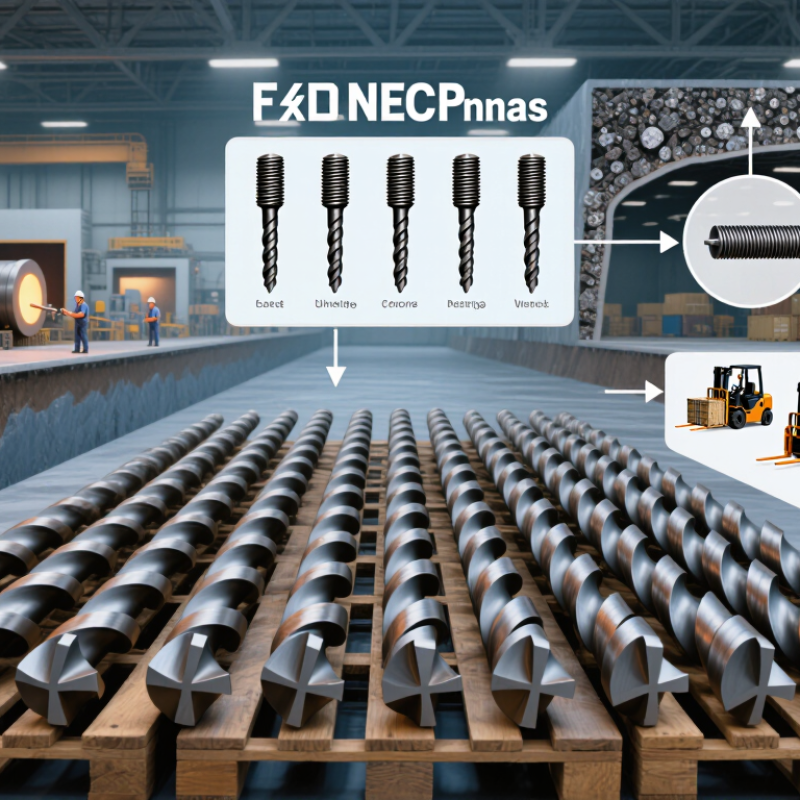
Drill rod steel is engineered steel used to make rods that connect a drilling machine to a bit. The rods transmit rotation and pushing force into the ground. Many are hollow, allowing water or air to travel toward the bit and carry cuttings away. Others are solid, depending on the drilling method. Small details matter. Steel grade, heat treatment, straightness, and thread quality all affect service life. A rod must resist bending, impact, and repeated torsion without becoming unnecessarily brittle.
Drill rods are used in mineral exploration, quarrying, water-well drilling, and construction site investigations. In a mine, crews may join several rods to reach deeper rock. A geotechnical team may use shorter sections to collect soil or rock samples. The right specification depends on hole depth, ground conditions, equipment, and flushing method. There is no single grade for every job. A rod that performs well in firm rock may wear quickly in abrasive ground. Even a careful selection can miss something; field wear and connection fit deserve regular checks.
How Are Chinese Drill Rod Steel Suppliers Evaluated?
How Are Chinese Drill Rod Steel Suppliers Evaluated?
A sound evaluation starts with the steel itself. Ask for the grade, chemical composition, and mechanical test results for the exact rod specification you need. Check whether the documents identify the production batch, not just a general product range. Traceability matters. A mill certificate is useful, but it should match the material delivered.
Dimensions deserve close attention. Compare the stated diameter and straightness tolerance with your drilling conditions. Ask how hardness and heat treatment are controlled, and whether inspection records are available. Practical details count: a sample rod can reveal surface marks, uneven finishing, or handling damage that a sales sheet may miss. Test it under realistic working conditions when possible.
Consistency is harder to judge than a single good sample. Request records from multiple batches and ask how defects are handled. Notice whether technical answers are specific, timely, and supported by evidence. A low price may reflect efficient production, but it can also leave questions about testing or process control. I would not treat a polished certificate as proof on its own; documents can be complete while important details remain unclear. Packaging matters, too. Rods should arrive protected from moisture and impact, with labels that keep batch information readable.
Which Suppliers Are Recognized for Drill Rod Steel in China?
Suppliers recognized for drill rod steel in China are generally assessed by production consistency, technical records, and the ability to meet stated specifications. There is no single public ranking that reliably identifies the best option. Some suppliers operate integrated steelmaking and processing facilities; others focus on heat treatment, machining, or export supply. Buyers should ask which steps happen in-house. Details matter.
A useful review starts with the steel grade, rod dimensions, straightness tolerance, and heat-treatment requirements. Ask for recent test reports showing chemical composition, tensile properties, and hardness, then compare them with the purchase specification. A small sample can reveal surface scale, machining marks, or uneven finish. Not just claims. Check whether the supplier can trace a test result to a production batch, and confirm lead times in writing. Site audits or independent inspections can help when order value justifies the cost. Still, paperwork is not proof of consistent performance. I would treat an unusually low quote cautiously and ask what is excluded, such as packaging or inspection. One point buyers sometimes overlook is communication: unclear answers about tolerances can create problems later. That takes time to verify.
Who Are the Best Drill Rod Steel Suppliers in China?
Common commercial drilling-rod nominal outside diameters include 76, 89, 102, 114, and 127 mm. This product-dimension reference does not rank suppliers; compare supplier recognition through verified specifications, quality certifications, and documented product range.
What Products and Services Do Leading Suppliers Provide?
Leading drill rod steel suppliers typically offer more than straight steel bars. Their product range may include solid and hollow drill rods, threaded rods, couplings, and adapters for different drilling methods. Buyers should check steel grade, diameter, length, thread profile, and heat-treatment details against the equipment and ground conditions. A rod that looks right on a drawing can still fail to fit.
Good suppliers explain how their rods are made and inspected. Ask about material certificates, dimensional checks, thread-gauge inspection, and testing records for each production batch. Some can provide custom lengths or thread configurations, while others focus on standard sizes. Clear limits matter. A supplier should say when a requested specification is outside its normal capability, not simply promise everything.
Service also includes technical assistance, protective packaging, and realistic delivery updates. For example, thread protectors help prevent damage during shipment, while labeled bundles make receiving checks easier. Useful support is specific: staff should be able to discuss rod compatibility, wear patterns, and suitable handling practices. Still, a certificate alone does not guarantee field performance. Share operating conditions and ask what evidence supports a recommendation; then compare the response with your own inspection and trial results.
How Can Buyers Verify and Choose a Reliable Supplier?
China’s scale makes supplier checks especially important, not less. World Steel Association’s World Steel in Figures 2024 reports Chinese crude steel output of about 1.02 billion tonnes in 2023, roughly 54% of the global total. This is useful context, but production volume does not prove a drill rod supplier’s consistency. Ask for the rod’s grade, heat-treatment details, straightness tolerance, and inspection criteria in writing. Then match those details against your drilling conditions and the relevant technical standard. Small differences matter.
Check traceability, not just a polished certificate. Each test report should identify the heat or batch number, and that number should match the markings on the delivered rods. Request mill certificates covering chemical composition and mechanical properties, plus hardness and dimensional inspection results. For critical orders, send a sample to an independent laboratory or arrange a production audit. Paperwork can look convincing. It is not proof by itself. Ask how rejected rods are handled, and whether replacement terms appear in the contract. A practical trial order can reveal packaging damage, inconsistent lengths, or slow responses—details that brochures rarely mention. I would still verify these points again before a large repeat order; one good batch is not a guarantee.
FAQS
It is engineered steel used to connect a drilling machine to a bit. Rods transfer rotation and pushing force underground. Some are hollow; others are solid. Details matter.
Their internal passage carries water or air toward the bit and helps remove cuttings. Useful, but not magic.
They are used in mineral exploration, quarrying, water-well drilling, and construction investigations. In mines, crews join sections to reach deeper rock.
Match the steel grade, diameter, length, thread profile, and heat treatment to the equipment and ground. Hole depth and flushing method matter too. No universal grade.
Straightness, thread quality, and heat treatment all matter. Rods must resist bending, impact, and repeated twisting without becoming too brittle. Field wear can still surprise you.
Options may include solid or hollow rods, threaded rods, couplings, and adapters. Some suppliers offer custom lengths; others focus on standard sizes. Check the fit.
Ask about material certificates, dimensional checks, thread-gauge inspections, and batch testing records. A certificate helps, but it cannot guarantee field performance.
Thread protectors can limit shipping damage, while labeled bundles make receiving checks easier. Share operating conditions, inspect wear, and trial recommendations. Results may differ.
Conclusion
Drill Rod Steel is valued for its strength, toughness, and ability to withstand demanding machining and drilling applications. It is used in areas such as toolmaking, manufacturing, and repair, where consistent dimensions and dependable performance matter. When assessing Chinese suppliers, buyers can compare material grades, production capabilities, quality-control procedures, delivery reliability, and the clarity of technical documentation rather than relying on price alone.
Leading suppliers may offer a range of rod sizes and grades, along with cutting, machining, packaging, and technical support tailored to customer needs. To choose a reliable source, buyers should confirm specifications, request inspection records or samples, review production and service details, and communicate expectations clearly before ordering. Careful verification helps ensure that the selected Drill Rod Steel meets the intended application and that the supplier can provide consistent quality and dependable support.

 SINOVO