Choosing the right water drilling equipment is vital for success in various industries. According to the Global Water Well Drilling Market Report, the sector is expected to grow by 8% annually over the next five years. This growth emphasizes the need for efficient and reliable equipment. Selecting suitable water drilling gear can significantly impact project efficiency and costs.
Several factors influence the choice of water drilling equipment. Different projects require specific tools based on depth, soil conditions, and water availability. For instance, rotary drilling equipment is suitable for hard rock formations. Conversely, cable tool rigs work better in softer ground. Understanding these distinctions is crucial for effective operation.
Moreover, industry experts suggest evaluating equipment performance. High-quality machinery enhances productivity while minimizing downtime. It is essential to consider both initial costs and long-term maintenance expenses. Equipment choices can sometimes lead to unforeseen challenges, making it vital to conduct thorough research before settling on a solution.
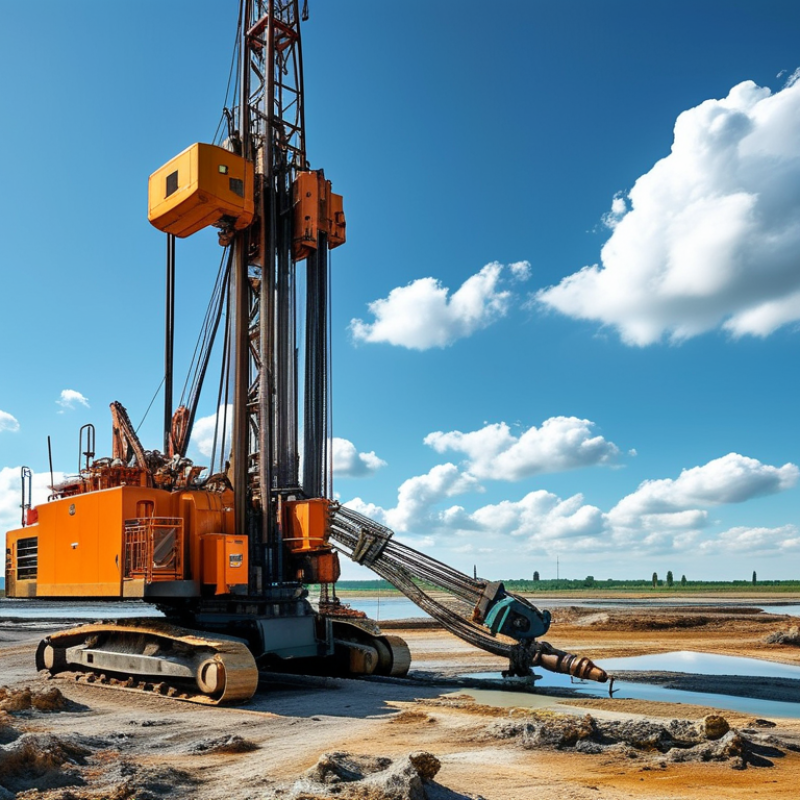
Understanding the Types of Water Drilling Equipment Available
When selecting the right water drilling equipment, understanding the types available is crucial. There are primarily three categories:
rotary, percussion, and auger drills. Each serves distinct applications.
Rotary drills are often chosen for deep wells, efficiently penetrating hard rock. According to industry reports, they account for up to
70% of deep well drilling projects. Percussion drills, on the other hand, are suitable for shallow depths and softer materials,
typically favored in areas with softer geology.
Auger drills are a third option. They excel in soil drilling applications. They are effective for shallow water sources.
Data indicates that auger drills are preferred for residential well installations.
It's essential to assess the geological conditions of your drilling site. This will guide your equipment choice.
Choosing the right drill can significantly impact efficiency and cost.
Consider your operational needs. If your project demands deep penetration, a rotary drill is ideal. For soft soils,
an auger can suffice. Remember to evaluate the access points to your site. Limited access can complicate equipment transport.
Ultimately, informed decisions bring improved outcomes in water drilling projects. Take time to weigh each option.
Assess both current and future needs before making a final choice.
Assessing Your Specific Water Drilling Needs and Objectives
When assessing your specific water drilling needs, consider the nature of your project. Are you drilling for residential purposes or commercial use? The depth of water sources varies significantly. You need to understand how deep you want to drill. Local geology is also crucial. Rocky terrain demands more robust equipment. Take the time to gather this information before making a decision.
Next, identify your objectives. Are you looking for a sustainable water source? Do you need a system that operates efficiently? Knowing these goals can help narrow down options. Think about the volume of water you require. Small projects may not need large rigs, while extensive operations do. Don’t forget to factor in your budget. Investing in quality can save costs in the long run.
Finally, consult with professionals. Expertise can guide you to suitable equipment. Analyze reviews and case studies related to similar projects. Many users share experiences that reveal equipment reliability and performance. Reflection is key. Sometimes, what seemed like the best choice at first may not suit your actual needs. Adjusting your expectations can lead to better outcomes.
Water Drilling Equipment Selection Based on Needs
Evaluating the Key Features of Water Drilling Equipment
Choosing the right water drilling equipment involves several key features that cater to specific needs. One crucial aspect is the drilling depth capacity. For residential projects, a depth of 100-200 feet typically suffices. However, large-scale commercial operations may require equipment capable of reaching depths over 1,000 feet. Understanding these requirements helps prevent inadequate drilling that leads to wasted time and resources.
Another vital feature is the efficiency of the drilling system. Recent industry reports indicate that rotary drilling methods can increase efficiency by 50% compared to traditional methods. Selecting equipment with this capability can ensure faster project completion. It's also essential to consider the power source. Electric drills tend to be quieter and are ideal for urban settings. In contrast, diesel-powered equipment may be more suitable for remote areas where electricity is unavailable.
Moreover, maintenance should not be overlooked. Equipment with service-friendly designs can reduce downtime and extend lifespan. However, some users underestimate the importance of routine maintenance. This can lead to significant issues over time, affecting both performance and safety. Finally, be wary of new technology. While advanced features may seem appealing, they can complicate operations and require specialized training. Balancing these aspects is essential for a successful drilling project.
Comparing Cost and Quality of Different Drilling Equipment Brands
When selecting water drilling equipment, cost and quality are pivotal. A study by the International Water Association reveals that productivity affects overall expenses. High-quality equipment can reduce downtime by 30%, leading to significant savings. Yet, the initial price can be daunting. Understanding your project's budget is crucial before making a decision.
Different brands offer unique benefits. A report from the Drilling Contractors Association indicates that mid-range equipment often balances performance with cost-effectiveness. However, investing in premium equipment may yield better long-term results. It's essential to evaluate both the specifications and the reliability of each option. Some brands offer warranties that assure quality, while others do not. An acronym like ROI (return on investment) is important when making choices.
In practice, evaluating user reviews is vital. Real-world experiences highlight potential flaws. A higher price does not always equate to superior quality. Some users report unexpected maintenance issues with top-tier brands. Gathering insights from industry reports and peers can inform your decision-making process. Understanding that no equipment is flawless may lead to more thoughtful choices in the long run.
Seeking Professional Advice and Recommendations for Your Purchase
When selecting water drilling equipment, seeking professional advice is crucial. Industry trends indicate that the right choice can impact efficiency and cost significantly. According to a 2022 report by the Global Water Well Market, improper equipment selection can lead to project delays, increasing costs by up to 30%. Experts recommend consulting with specialists who understand local geological conditions. They can provide insights tailored to your specific drilling needs.
Engaging with professionals allows you to access reliable data. Reports from the International Association of Drillers suggest that experienced consultants can help in identifying the best machinery for geological formations. For instance, rotary drilling is often favored for hard rock formations, while auger drilling is suitable for softer soils. Such details can be overwhelming, making expert input valuable.
Considering the variety of equipment, a professional perspective is indispensable. A flawed decision may result in choosing machinery that is inefficient or too costly to operate. Reflecting on project requirements with a consultant can reveal hidden challenges. The right equipment choice not only saves time but also minimizes resource wastage.
Conclusion
Choosing the right water drilling equipment is essential for meeting your specific water drilling needs and objectives. Initially, it’s important to understand the various types of water drilling equipment available, as each type serves different purposes and environments. Assessing your requirements will help you narrow down the equipment options that are best suited for your project.
When evaluating potential water drilling equipment, consider key features such as durability, efficiency, and ease of use. Additionally, comparing the cost and quality of different brands will aid in making a well-informed decision. Seeking professional advice and recommendations can also provide valuable insights, ensuring that you invest in equipment that aligns with your drilling goals while optimizing performance and budget.

 SINOVO