How to Choose the Best Core Drill Bit for Your Needs?

Time:2026-09-02 Author:Sienna
0%

Choosing the right Core Drill Bit can significantly influence your project’s outcome. Experts in the field stress the importance of understanding your specific needs before making a purchase. For instance, John Smith, a renowned drilling engineer, once said, “Selecting the appropriate Core Drill Bit is pivotal for precise results.” This highlights the critical nature of making an informed choice.

When considering which Core Drill Bit to use, there are many factors at play. The material you're drilling into matters. A diamond core drill bit may be ideal for harder materials, while a carbide bit may suffice for softer surfaces. It's essential to analyze the specific requirements of your job site to avoid mistakes that could lead to ineffective drilling.

Many users overlook the importance of drill bit size and type. Ensuring the right fit can save time and resources. Remember, every project is unique and may require different tools. Don't underestimate the power of asking for recommendations or seeking expert advice. Embracing these insights can lead to better decisions and overall success.
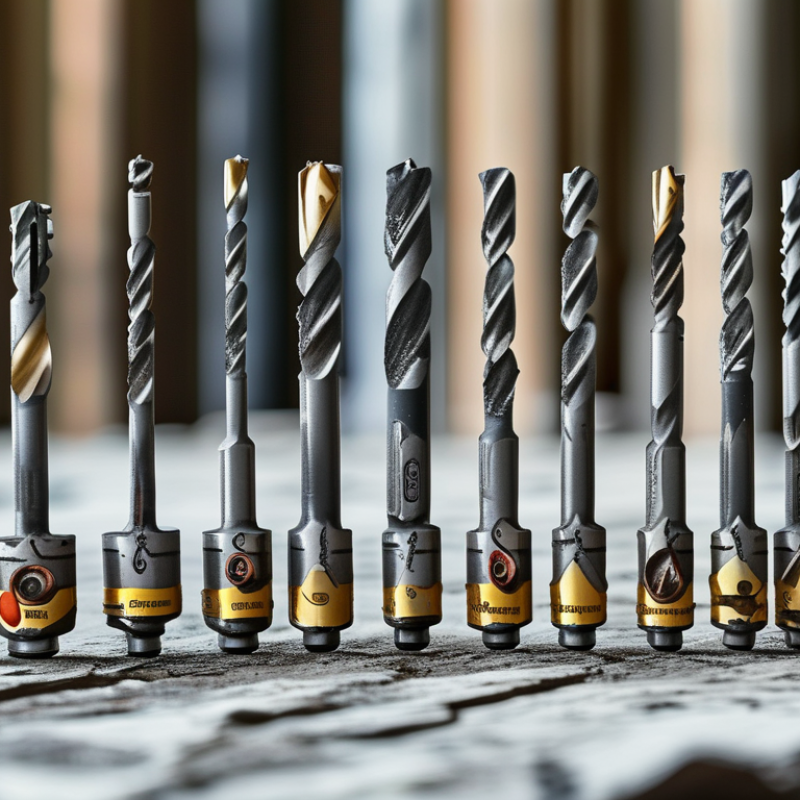
How to Choose the Best Core Drill Bit for Your Needs?

Understanding Core Drill Bits and Their Applications

Core drill bits are essential tools for various construction and renovation projects. They are used to create precise holes in hard materials such as concrete, asphalt, and masonry. Understanding the different types of core drill bits is crucial for choosing the right one for your specific needs. There are diamond-tipped bits for cutting through tougher surfaces and carbide-tipped bits for softer materials. Knowing the material you'll be working with helps in making an informed decision.

When selecting a core drill bit, consider the diameter and depth of the hole required. Larger bits may be needed for plumbing or electrical installations, while smaller bits can suffice for ventilation ducts. It's easy to overlook the importance of a suitable drill motor. A good drill must match the bit's capabilities to ensure efficiency. Sometimes, drill bits wear down faster than expected, leading to unsatisfactory results. Reflecting on this can improve your future choices.

Always assess your project requirements and budget. A higher-quality bit may seem like a greater investment, but it can save you time and frustration. Experiment with different options, and don’t hesitate to consult with professionals if you're unsure. This exploration can enhance your skills and help you achieve better outcomes in your projects.

Identifying Your Project Requirements and Materials

Choosing the right core drill bit hinges on understanding your project’s requirements and the materials involved. Various types of drill bits, such as diamond, carbide, and masonry, serve distinct purposes. For instance, diamond core bits are ideal for cutting through hard materials like concrete or asphalt. Research indicates that about 40% of professionals report using diamond bits for their durability and efficiency.

Identifying the specific material you will drill into is critical. Drilling into reinforced concrete may require a different approach than drilling into soft brick. The materials can influence the size and type of drill bit needed. A recent industry report highlights that selecting the wrong bit can lead to a 30% increase in project time and labor costs.

Additionally, different tasks may necessitate varying sizes of core drill bits. Larger diameters are excellent for plumbing and electrical projects. Smaller bits might suffice for repairs and installations. The effectiveness of your core drill and the quality of the finish largely depend on this initial selection. Missing the right choice can result in incomplete work and costly re-drilling. Understanding your materials is not just a detail; it’s a necessary foundation for project success.

Comparing Different Types of Core Drill Bits

When selecting a core drill bit, understanding different types is crucial. Diamond core bits are ideal for cutting hard materials like concrete and stone. They offer durability and precision. For softer materials, choose carbide-tipped bits. These are effective for work in brick or block. Each type serves a specific purpose, so knowing your project is essential.

Keep in mind the size and diameter of the bit. It directly impacts the hole's size and depth. Measure carefully before starting your work. A bit that's too large may cause damage. A smaller bit might not be efficient. Consider mixing sizes as needed for varied applications.

Consider the drilling method, too. Manual drilling relies on your strength and endurance. Power drill setups can increase efficiency significantly. If you frequently drill, investing in quality bits pays off in the long run. Test different bits on scrap materials to see what works best for your needs. Choosing the right one may take some trial and error, which is part of the learning process. Keep notes on what worked and what didn't to refine your choices.

Evaluating Features: Size, Quality, and Durability

When choosing a core drill bit, evaluating key features like size, quality, and durability is crucial. Size directly impacts your project. A bit that is too small may not create the desired hole, while one that is too large can cause issues. Consider what materials you’ll be drilling through, as different sizes deliver varied results. Ensure your drill bit fits your equipment properly.

Quality is another essential factor. High-quality materials guarantee longevity and effectiveness. For instance, diamond-tipped bits are often better for tough materials. Research or seek advice from professionals to understand the best materials for your needs. Investing in a quality core drill bit pays off in the long run, reducing replacement costs and improving your workflow.

Durability ensures that your drill bit withstands wear and tear. Look for features like heat resistance and strength. A durable bit is vital, especially for frequent use. Remember, even a well-made drill bit can break if misused. Always follow the manufacturer’s guidelines and avoid excessive pressure. Reflect on your past experiences; they often reveal the best practices for selecting the right core drill bit.

How to Choose the Best Core Drill Bit for Your Needs?

Feature Description Recommended Size Durability Rating
Diameter The width of the drill bit; affects the hole size. Core bits typically range from 1" to 14". Moderate to High
Material Material the drill bit is made from; determines cutting speed and lifespan. Diamond-tipped for harder materials. High
Segment Height Height of the diamond segments on the bit; affects speed and material type. Higher segments for softer materials; lower for harder materials. Varies
Cooling Method How the bit is cooled during operation; important for durability. Water-cooled systems are preferred. High
Brand Longevity Reputation of the manufacturer and the general longevity of products. Choose established brands. High

Choosing the Right Drill Machine Compatibility

Choosing the right drill machine compatibility is crucial when selecting a core drill bit. Many professionals overlook this aspect, leading to inefficiency and frustration. A good fit enhances performance and safety, ensuring that the drill operates smoothly. Several reports indicate that mismatched tools can reduce drilling efficiency by up to 30%. Standard drill machines typically operate within specific torque and speed parameters, so it’s vital to consider these when choosing a drill bit.

Always check the chuck size and fitting type of your drill. Common sizes include 1/2 inch and 3/8 inch, and ensuring compatibility can save time and resources. Consider the material you plan to drill. For instance, masonry, concrete, and metal require different bit types. Research shows that selecting the appropriate core drill bit can increase tool longevity significantly.

A quick tip is to examine user reviews and compatibility guides online. These resources can provide insights into which drill bits work best with specific machines. Don't hesitate to consult professionals or forums for practical advice as well. Remember, investing in quality tools can enhance overall project success. Keep in mind the balance between cost and quality; sometimes, cheaper options may lead to higher long-term expenses due to frequent replacements.

Choosing the Best Core Drill Bit for Your Needs

FAQS

: What should I consider when selecting a core drill bit?

: Consider the material you'll be drilling. Choose between diamond and carbide-tipped bits based on your needs.

How does the size of a drill bit affect my project?

The bit's size can impact the hole's size and depth. Measure carefully to avoid issues with overly large or small bits.

Why is the quality of the drill bit important?

High-quality bits last longer and perform better. Investing in good materials reduces the need for frequent replacements.

What factors affect the durability of a drill bit?

Look for features like heat resistance. Bits may wear out quickly if misused, so follow guidelines closely.

How can I ensure my drill bit is compatible with my machine?

Check the chuck size and fitting type of your drill. Mismatched tools can decrease efficiency significantly.

What should I do if I'm unsure which bit to use?

Experiment with different bits on scrap materials. Keep track of what works best to refine future choices.

What is the impact of drill method on efficiency?

Manual drilling takes more effort. Power drills enhance efficiency, especially for frequent tasks, making them worth the investment.

How can I enhance the performance of my drill?

Maintaining compatibility between your drill and bit is key. Good fit boosts performance and can prevent frustration.

Why is it necessary to reflect on past experiences with drill bits?

Past experiences often reveal helpful insights into effective practices. They guide better decision-making for future projects.

Are there any risks associated with using the wrong size drill bit?

Yes, using the wrong size can cause damage. It may also lead to inefficiencies and wasted materials.

Conclusion

Choosing the right Core Drill Bit for your project requires a clear understanding of both the bits themselves and the specific application at hand. Core drill bits are specialized tools used to cut precise cylindrical holes in various materials, and their effectiveness depends greatly on the project requirements. It’s essential to identify the materials you will be drilling into and match them with the appropriate type of core drill bit, whether it’s for concrete, masonry, or metal.

When selecting a core drill bit, consider features such as size, quality, and durability to ensure optimal performance. Additionally, compatibility with your drill machine is crucial to achieving the best results. By evaluating these factors carefully, you can choose the most suitable core drill bit that meets your needs and enhances the efficiency of your drilling tasks.


Sienna

Sienna

Sienna is a skilled marketing professional with a deep expertise in our company’s core products and services. With a passion for innovation and detail, she plays a pivotal role in crafting insightful blog posts that not only highlight the unique features of our offerings but also provide valuable......