How to Choose the Best Lapidary Drill for Your Projects?

Time:2026-08-24 Author:Amelia
0%

Choosing the right Lapidary Drill can greatly impact your stone crafting projects. Whether you are a beginner or an experienced gem artist, the right tools matter. There are many options available, making the selection process daunting. Factors like bit size, power, and material should influence your choice.

A good Lapidary Drill not only offers precision but ensures durability for extended use. It’s essential to consider the types of stones you'll work with. Different materials require different drill capabilities. Research is vital to understand the best features that fit your specific needs. Reviews from experienced lapidary enthusiasts can provide invaluable insights.

While many brands claim to be the best, not all deliver equally. Some drills may lack the necessary power, while others may break easier than expected. It's important to weigh all pros and cons. Look for features like variable speed control and comfortable grips, which enhance usability. Remember, the best choice aligns not just with your project goals, but also your personal crafting style.
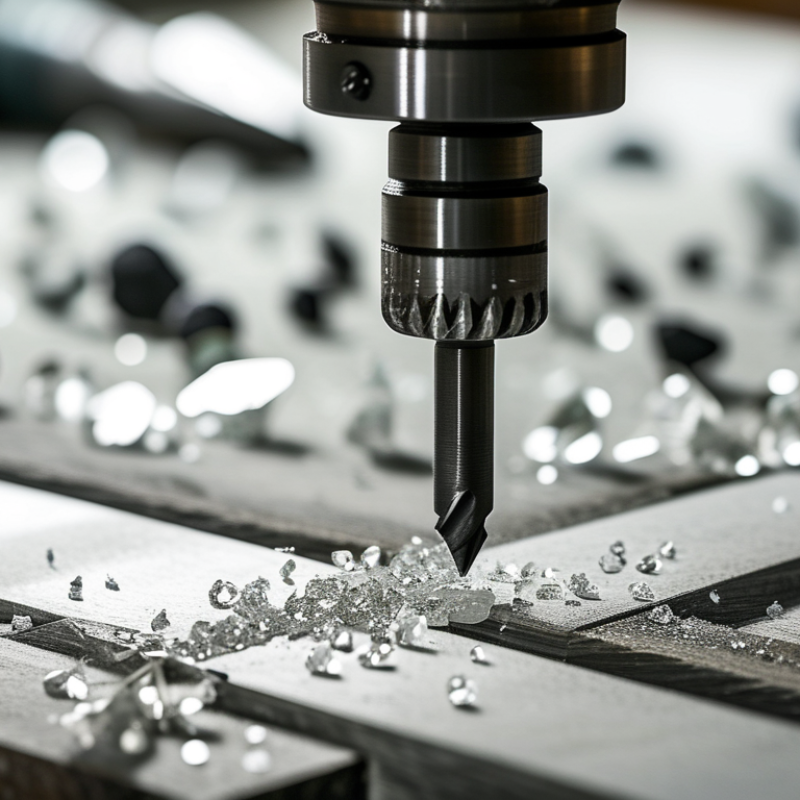
How to Choose the Best Lapidary Drill for Your Projects?

Essential Features to Consider in a Lapidary Drill

When selecting a lapidary drill, focus on essential features. The motor's power is critical. A strong motor ensures efficient drilling through tough materials. Higher RPMs can help achieve smooth cuts. However, be cautious; excessive speed may overheat your stones. Balance is essential.

Bit compatibility is another vital aspect. Check if the drill accommodates various bit sizes. A versatile drill can handle different projects. It increases functionality, particularly for diverse materials like agate or jade. Ensure that you invest in high-quality bits. They last longer and provide better results.

Consider the ergonomics of the drill. A comfortable grip reduces fatigue during extended use. Test the drill's weight; a lighter model may be easier to manage. However, don't overlook stability. If a drill feels flimsy, it may compromise precision. Reflect on how you plan to use the drill. This will guide your decision-making process effectively.

How to Choose the Best Lapidary Drill for Your Projects? - Essential Features to Consider in a Lapidary Drill

Feature Description Importance Level
Motor Power Higher wattage for more efficient drilling. High
Speed Settings Multiple speeds for different materials. Medium
Chuck Type Keyed vs. keyless chucks for easier bit changes. Medium
Weight Lightweight models for ease of use. Low
Durability Built with high-quality materials to withstand wear. High
Vibration Control Systems to reduce vibration for precision. High
Price Consider budget while balancing features and quality. Medium
Warranty Look for extended warranties that cover defects. Medium

Types of Lapidary Drills and Their Uses

When choosing a lapidary drill, understanding the types available is crucial for effective usage. Common types include diamond drills, carbide drills, and rotary tools. Diamond drills are ideal for precision work, while carbide drills excel in durability. Rotary tools offer versatility but may lack the power of specialized options. According to recent industry reports, over 60% of lapidary artists prefer diamond drills for their ability to create clean, precise holes in various stones.

For best results, select a drill based on the stone type you are working with. Softer stones can often be drilled with carbide, while harder gems require diamond bits. Remember, the right drill can enhance your creativity. Choosing based solely on price may not yield the best quality.

Pay attention to the speed settings on your chosen drill. A variable speed feature can accommodate different materials, allowing for optimal performance. Mistakes can occur if the speed is too high, causing overheating or damage. Many users report needing to adjust their techniques when switching between stone types. Testing on scrap material before working on a final piece is a practical approach.

Tips for Choosing the Right Drill Bit for Your Project

Choosing the right drill bit is crucial for effective lapidary work. Different projects demand various types of drill bits to achieve the best results. For instance, diamond-coated bits excel in drilling through hard stones, while carbide bits work well with softer materials. Industry reports indicate that approximately 70% of lapidary professionals prefer diamond bits for their durability and precision. Understanding this helps optimize project outcomes.

When selecting drill bits, consider the material of the stone. A lack of compatibility can lead to poor drilling performance. Additionally, the size of the drill bit impacts the final work. Larger bits remove material quickly but may create significant dust. Smaller bits offer precision but take longer. It's essential to balance speed and detail based on the project needs.

Environment plays a role too. Humidity and temperature can affect bit performance. In humid conditions, for example, bits may wear out faster. That can result in unexpected expenses or delays. Keeping these factors in mind can prevent setbacks. Adjusting your choices reflects a deeper understanding of lapidary work. Familiarity with these details can enhance the quality of your projects.

Maintenance and Care for Your Lapidary Drill

Proper maintenance and care for your lapidary drill is essential for optimal performance. Regular cleaning helps prevent dust and debris buildup. This can affect the tool's efficiency and lifespan. According to industry reports, a well-maintained drill can last up to 30% longer than one that isn’t cared for adequately. Use a soft brush to remove particles after each session.


Check the drill bits frequently for wear and tear. Worn bits can lead to uneven cuts and can damage your materials. Changing bits when they show signs of wear is crucial. It’s recommended to inspect them every few uses. If the bit isn't cutting smoothly, it's a sign to replace or sharpen it.


Keep your lapidary drill in a dry, cool place. Excessive moisture can lead to rust and damage. Many hobbyists overlook this aspect. A simple solution is to store the drill in a protective case after use. By taking these steps, you ensure longevity and effectiveness. Regular maintenance may seem tedious, but it’s a necessary investment in your crafting tools.

Budget Considerations for Purchasing a Lapidary Drill

When considering budget for a lapidary drill, it's essential to define your needs. You might be tempted to opt for the cheapest option. However, this could lead to frustration and additional costs down the line. Look for a drill that balances quality and affordability. Investigate features that matter most for your projects, such as speed settings and bit compatibility.

Prioritizing essential features can save you money. Some drills offer all the bells and whistles, but you may not need them. Research the minimum requirements for your projects. Choosing the right size is also crucial. Crowded workspaces can limit your efficiency. Don't forget about maintenance costs. A sturdy tool might have a higher upfront cost, but longevity can save you cash over time.

Consider buying used equipment if you're working on a tight budget. Used drills can be a great way to get quality at a lower price. Just make sure to inspect them thoroughly. Buy from reputable sources to avoid hidden problems. Keep in mind, the payment structure matters too. Some retailers offer financing options, which can ease the burden. Investing wisely now can lead to better results later.

Lapidary Drill Purchasing Budget Analysis

FAQS

: What types of lapidary drills are commonly used?

: Common types include diamond drills, carbide drills, and rotary tools. Each has unique features for specific uses.

Which drill is best for hard gemstones?

Diamond drills are ideal for hard gemstones. They create clean, precise holes effectively and efficiently.

How does stone type affect drill selection?

Softer stones often work well with carbide drills. Harder materials require diamond bits for optimal results.

Why is drill speed important?

The correct speed prevents overheating and damage. Adjustable speed features enhance performance across different materials.

What factors affect drill performance?

Humidity and temperature can impact bit longevity. High humidity may cause bits to wear out faster.

How should I choose a drill bit size?

Balance detail and speed based on your project. Larger bits remove material quickly, while smaller bits offer precision.

Is it okay to buy used lapidary drills?

Yes, used drills can provide good quality at lower prices. Ensure to inspect them thoroughly before purchasing.

What should I prioritize when setting a budget?

Focus on essential features that fit your projects. Avoid unnecessary extras that may not be beneficial for your needs.

How can adjusting choices improve lapidary projects?

Being mindful of materials and conditions can prevent mistakes. Adjustments show a deeper understanding of the craft.

What is a common mistake in drill selection?

Choosing based solely on price can lead to frustration. Quality often trumps cost when it comes to performance.

Conclusion

When selecting the best lapidary drill for your projects, it is crucial to understand the essential features that impact performance and efficiency. Look for aspects such as motor power, speed settings, and a comfortable grip, which can enhance your drilling experience. Additionally, familiarize yourself with the various types of lapidary drills available, each suited for different tasks, from small, detailed work to larger projects.

Choosing the right drill bit is also vital; consider the material you'll be working with and the bit's compatibility with your lapidary drill. Regular maintenance and care will extend the life of your tool, ensuring consistent performance. Lastly, budget considerations are important; weigh your options between price and features to find a drill that meets your needs without overspending. By considering these factors, you can confidently select a lapidary drill that will enhance your craftsmanship and project outcomes.


Amelia

Amelia

Amelia is a seasoned marketing professional with a wealth of expertise in our company’s core offerings. With an unwavering passion for driving growth and innovation, she plays a pivotal role in shaping our marketing strategies and enhancing brand visibility. A key aspect of her responsibilities......