Choosing the right Cone Drill Bit can be a challenging task. With many options available, understanding what to look for is essential. A Cone Drill Bit is a versatile tool, often used for creating holes in various materials. It’s important to match the bit to your specific project requirements.
Many users overlook the significance of material selection. Different materials have unique properties that affect performance. Not all Cone Drill Bits are created equal. Some perform better on softer materials, while others excel with harder surfaces. Researching the right bit can prevent costly mistakes.
Experience plays a vital role in selecting a Cone Drill Bit. Professionals often recommend testing several types before committing. Feedback from peers can also provide valuable insights. This helps users find the most suitable option for their needs, fostering overall confidence in the decision-making process.
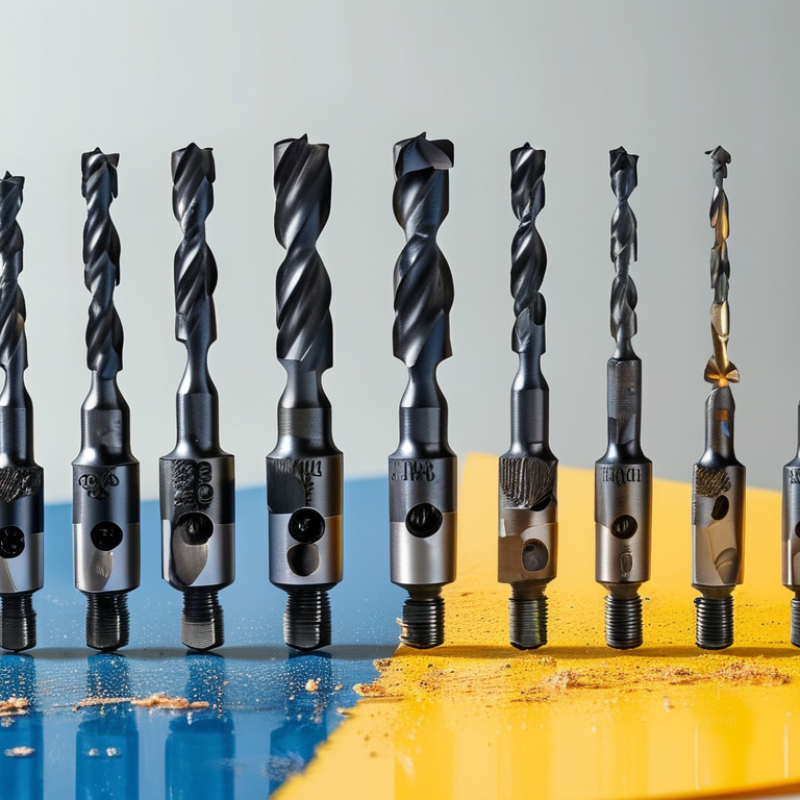
When selecting a cone drill bit, understanding the various types is essential. Cone drill bits come in different materials and shapes, suited for distinct applications. For instance, carbide-tipped bits are ideal for harder materials, while high-speed steel bits work better with softer surfaces. Evaluating the material type will affect your drilling efficiency significantly.
One factor to consider is the size of the drill bit. Larger cones create wider holes but require more power. Small bits are versatile and can work in tighter spaces. Choosing the right size impacts not only your project time but also the quality of the finished hole.
Maintenance is another crucial aspect. A well-maintained drill bit can last longer, providing better results. Regularly inspect your bits for wear and replace them when necessary. You'll likely notice that dull bits can cause overheating and diminish performance. Taking these details into account can enhance your drilling projects overall.
This bar chart illustrates the key features to consider when selecting a cone drill bit, including Material, Durability, Cost, Size Compatibility, and Special Features. Each aspect is rated on a scale of 1 to 10, reflecting their importance in making the right choice.
When selecting a cone drill bit, evaluating material compatibility is crucial. Your drilling project may involve various materials such as wood, metal, or plastic. Different materials require specific drill bit designs to optimize performance. For instance, a study by the National Institute of Standards and Technology indicates that mismatched materials can lead to reduced efficiency and increased wear on equipment.
Material hardness plays a vital role. Softer materials like pine wood require bits with different cutting angles compared to harder metals like stainless steel. An improperly chosen bit not only affects the quality of the hole but also increases the risk of breakage. It's essential to assess the hardness and density of the material you'll be drilling.
When choosing a cone drill bit, consider the diameter and length that align with your material. A well-informed choice minimizes damage and enhances precision. Often, drilling through tougher materials might require bits with a higher cobalt content, providing better heat resistance. A report by the American Society of Mechanical Engineers highlights that using the correct bit type can improve drilling speed by up to 40%.
Evaluate the specific requirements of your project. Focus on the material's properties, drilling speed, and bit features for successful outcomes. Even experienced professionals need to periodically reassess their choices to avoid costly mistakes.
When selecting a cone drill bit, understanding size and diameter is crucial. The right size ensures optimal performance and minimizes project complications. According to a report by the Industrial Supply Association, choosing the correct diameter can significantly reduce hole deformation and enhance cutting efficiency. For instance, a larger diameter bit can increase the load, but may require more power, potentially leading to overheating or bit failure if not matched properly.
Measuring the workpiece is an essential step. This often involves determining the thickness and material type. A study by the American National Standards Institute indicates that 65% of drilling issues arise from mismatched bit sizes. Accurate measurements can prevent waste and save time. Keep in mind that cone drill bits come in various sizes, which impacts their functionality across different materials.
Reflecting on user experiences can provide valuable insights. Some professionals report difficulties when using bits that are either too large or too small. Incorrect sizes can lead to increased wear and tear on the equipment. It highlights the importance of not just choosing what looks right, but ensuring it fits the project’s specific demands. Thoughtful consideration of size and diameter requirements can ultimately influence the success of the drilling endeavor.
When choosing a cone drill bit, assessing cutting efficiency is crucial. According to recent industry reports, bits with higher cutting efficiency have been shown to enhance performance by up to 30%. Efficiency is typically measured by the material removal rate (MRR), which indicates how quickly the tool can drill through various materials. A bit with a high MRR can save time and increase productivity, which is vital for professionals across different applications.
Performance ratings also play a significant role in selection. Many users overlook this factor. It's essential to consider the specific application and material. For example, carbide-tipped bits often outperform standard steel in terms of longevity and resistance to wear. A study found that carbide bits last 50% longer than their steel counterparts in demanding conditions. This longevity means fewer replacements, offering economic benefits over time.
Cutting geometry and design cannot be ignored either. A well-designed cone drill bit will feature precise angles and flute designs that facilitate chip removal. Poorly designed bits can lead to overheating and diminished performance. Regularly checking user reviews and independent performance tests can provide valuable insights. Trusting third-party evaluations ensures informed decisions, leading to better project outcomes.
When selecting a cone drill bit, price and brand reputation play crucial roles. Industry data shows that over 70% of consumers prioritize cost when making purchases. However, this does not always equate to quality. A low price can sometimes indicate lower durability. Reports reveal that drill bits from reputable brands tend to offer a longer lifespan, ultimately saving users money in the long run.
Brand reputation not only affects pricing but also influences performance. According to surveys, 65% of professionals trust brands with a proven track record in the market. They often associate reputation with reliability and effectiveness. Many operators share their experiences with various brands online, providing real-world insights. These reviews can guide buyers, offering a glimpse into the actual performance of specific drill bits.
Finding the right balance between cost and quality can be challenging. It requires careful consideration of user reviews, industry ratings, and individual needs. In some instances, a higher-priced bit might not deliver superior results. Yet, opting for the cheapest option can lead to disappointing outcomes. Therefore, it's essential to assess both price and brand reputation thoroughly.
: Consider material type, size, and maintenance needs. Each aspect affects drilling efficiency and results.
Softer materials need different cutting angles than harder metals. Incorrect choices can lead to breakage and poor quality.
The right size minimizes complications and enhances performance. Mismatched sizes may cause deformation and reduce efficiency.
Measure the workpiece thickness and type. Accurate measurements prevent waste and save time.
Regularly inspect for wear, replace dull bits, and keep them clean. Ignoring maintenance can affect performance.
Larger bits create wider holes but require more power. Misuse may lead to overheating or bit failure.
Yes, mismatched materials can reduce efficiency. It’s essential to choose bits based on the material you are drilling.
Yes, even experienced users should reflect on past choices to avoid costly mistakes and improve outcomes.
Choose the right diameter and length based on project needs. This minimizes damage and improves accuracy.
Users often share challenges with incorrect sizes. Their experiences highlight the importance of careful selection based on project needs.
When selecting the right Cone Drill Bit for your project, it's essential to understand the various types available, as they cater to different drilling applications. Start by evaluating material compatibility; ensuring the drill bit aligns with the materials you'll be working with is crucial for effective drilling. Additionally, determining the size and diameter requirements will help you select a bit that fits your specific needs.
It's important to assess cutting efficiency and performance ratings, as these factors will significantly impact your project's success. Finally, consider the price range and the brand's reputation to ensure you're making a wise investment. By following these tips, you can confidently choose a Cone Drill Bit that best suits your needs and enhances your drilling experience.

SINOVO