Drilling wells is a critical process for various businesses, ensuring access to necessary resources. Many entrepreneurs overlook the planning involved. Without thorough preparation, challenges arise. Effective drilling wells can save time and money. Businesses must consider geological factors, equipment, and local regulations. Each aspect is crucial in securing success.
Experience highlights the importance of professional consultation. Engaging experts can streamline the process. Their knowledge helps avoid common pitfalls. Yet, even with expertise, unexpected issues can occur. Reflection on past drilling projects often leads to better strategies. Companies must learn from mistakes to improve future endeavors.
In conclusion, careful planning and execution are vital for effective drilling wells. Success lies in understanding the unique needs of your business. Recognizing that the journey might not be perfect is part of the process. Strive for continuous improvement and adaptability to achieve your goals.
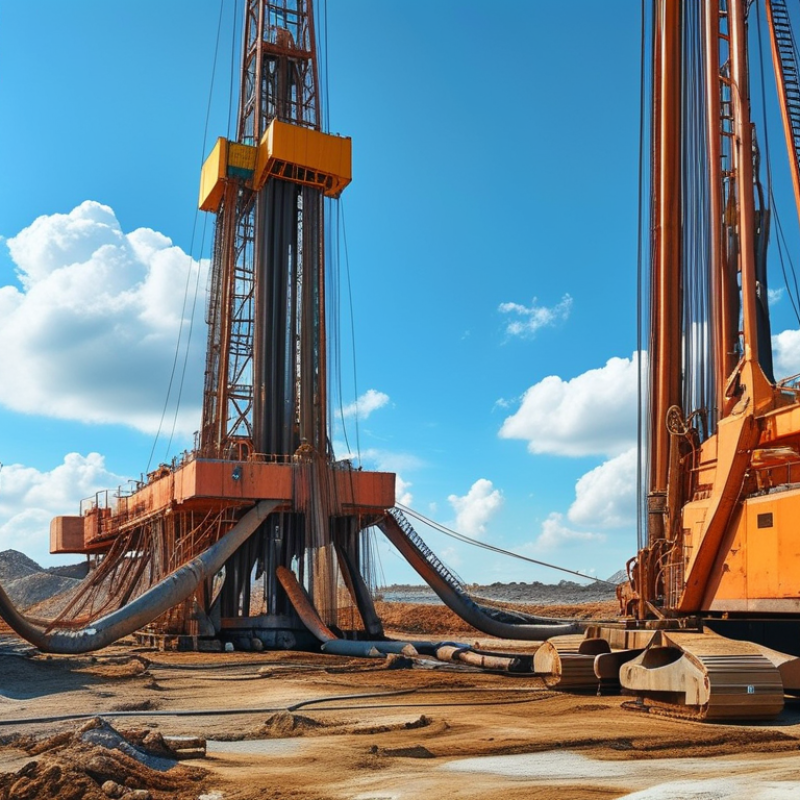
Understanding your business water needs is crucial when drilling wells. Every industry has different water requirements, whether it’s for manufacturing, agriculture, or hospitality. Identifying the quantity and quality of water you need can guide your drilling process effectively.
Assess your consumption rate. Calculate how much water your business uses daily. Are you meeting this demand? If not, you might face operational challenges. Keep in mind that water quality matters too. Testing for contaminants and ensuring it's suitable for your purpose is essential.
Considering seasonal variations is also important. Some businesses may experience spikes in water usage during certain times of the year. This fluctuation can impact how deep you need to drill and what equipment you should use. Reflect on any past experiences you had with water shortages or quality issues. Learning from these challenges can help you devise a better plan for your well drilling project.
When considering drilling wells for business needs, geological factors are crucial. Start by assessing the site location thoroughly. You need to understand the local geology. Soil type, rock formations, and groundwater levels play a vital role. Some regions may have challenging geological conditions. You might encounter hard bedrock or unstable soil. This can increase costs and drilling time.
Consulting with geologists and drilling experts can provide valuable insights. They can conduct site surveys to identify potential issues. Soil tests reveal the aquifer's depth and water quality. In some cases, the information gathered can lead to different drilling strategies. One size does not fit all. For instance, drilling in areas with known contamination may need special techniques to ensure safety.
Furthermore, think about long-term needs. Proximity to existing infrastructure is important. Transportation can affect the overall project timeline. An ideal site balances geological advantages with accessibility. Careful planning can mitigate unexpected challenges. Your drilling project can succeed with the right preparation and site assessment.
Choosing the right drilling technology and equipment is essential. Every project has unique requirements that dictate the best approach. Understanding your specific needs is the first step. For instance, consider the soil type. Sandy soils require different equipment than rocky terrain.
Once you grasp your environment, evaluate the available technologies. Rotational drilling systems can be efficient for deeper wells. However, they may struggle in hard rock conditions. Air rotary drilling can work well in such scenarios. Yet, it often results in higher operational costs. Make sure to analyze the trade-offs carefully. A mismatch between the technology and the geological conditions can lead to delays and increased expenses.
Investing in quality equipment pays off in the long run. Regular maintenance is crucial to ensure reliability. However, many businesses overlook this aspect, which can lead to equipment failures. Keep in mind that complex projects might require expert consultation. Failing to seek professional advice can result in costly mistakes. Engaging knowledgeable professionals can provide insights you may not have considered.
Balancing your needs with the right tools can ensure successful drilling outcomes.
Navigating the landscape of regulations and permits for well drilling can be challenging. Each region has its own set of rules that dictate how and where you can drill. Familiarizing yourself with local laws is essential. This might involve contacting your local environmental agency or health department for guidance. Ignoring these regulations can lead to significant fines or project delays.
Different permits may be required depending on the nature of your well. For instance, a residential well might necessitate simpler approvals than a commercial one. It’s crucial to gather all necessary documentation. Prepare to demonstrate your project's purpose and environmental impact. Delays often stem from incomplete applications or misunderstandings about requirements.
Resources are available, but they may not always be straightforward. Online databases can help you locate relevant regulations, but they can be overwhelming. Consider seeking advice from professionals who understand the process. Their experience can help simplify steps, making compliance more manageable. Reflecting on past mistakes can guide better decisions moving forward.
Maintaining and managing wells is crucial for optimal performance. Regular inspections help identify potential issues early. Implementing a schedule for routine maintenance can extend the lifespan of your wells. Ensure you follow the right protocols during these checks to avoid costly problems.
Training your staff in well management techniques is necessary. Well-informed employees can detect anomalies that might otherwise go unnoticed. Providing hands-on training can enhance their understanding of the equipment and techniques involved. Integrate feedback sessions to address challenges and share experiences. This collaborative approach fosters an environment of continuous improvement.
Data collection plays a vital role in effective management. Keeping accurate records can reveal trends over time. Analyzing this data will help in making informed decisions. However, remember that not all strategies will work perfectly. Learning from failures is as important as celebrating successes. Regularly reassess your methods and adjust them as needed.
| Dimension | Description | Optimal Value | Current Performance | Maintenance Frequency |
|---|---|---|---|---|
| Water Quality | Ensures that the water meets health standards. | pH 6.5 - 8.5 | pH 7.2 | Quarterly |
| Flow Rate | Measurement of the volume of water extracted per minute. | 10-15 GPM | 12 GPM | Monthly |
| Well Depth | The total depth of the well for efficient drilling. | 200-300 feet | 250 feet | Bi-annual |
| Pump Efficiency | Efficiency rating of the pump system. | 75% or higher | 70% | Annually |
| Maintenance Cost | Annual costs associated with well maintenance. | $500 - $1000 | $750 | N/A |
: Different industries have unique water requirements. Knowing these helps guide the drilling process effectively.
Calculate daily water usage. Reflect on whether you're meeting this demand to avoid operational issues.
Ensure water is tested for contaminants. Quality affects usability and is essential for your project's success.
Seasonal spikes can change usage patterns. This affects drilling depth and the equipment required.
Each region has specific rules for well drilling. Ignoring these can result in fines or delays.
Online databases can be useful, but they may overwhelm. Seeking professional advice often simplifies compliance.
Schedule regular inspections and routine maintenance. Early detection of issues prevents costly repairs.
Teach techniques for identifying anomalies. Hands-on training enhances understanding of equipment and practices.
Accurate records reveal trends and inform decisions. Also, learning from failures is crucial for improvement.
Regular reassessment is essential. Not all strategies work perfectly, and adjustments may be necessary.
Drilling wells is a vital aspect for businesses that require a reliable water source. To effectively drill wells, it is essential to start by understanding your specific water needs, ensuring that the well can meet the demands of your operations. Assessing site location and considering geological factors play a critical role in determining the most suitable drilling method and equipment.
Additionally, navigating the necessary regulations and obtaining permits is crucial to ensure compliance and avoid any legal issues. Once the well is operational, implementing a thorough maintenance and management plan will be key to optimizing its performance and longevity. By following these steps, businesses can successfully drill wells that meet their water requirements efficiently and sustainably.

SINOVO