How to Choose the Best Gardening Drill?

Time:2026-10-17 Author:Liam
0%

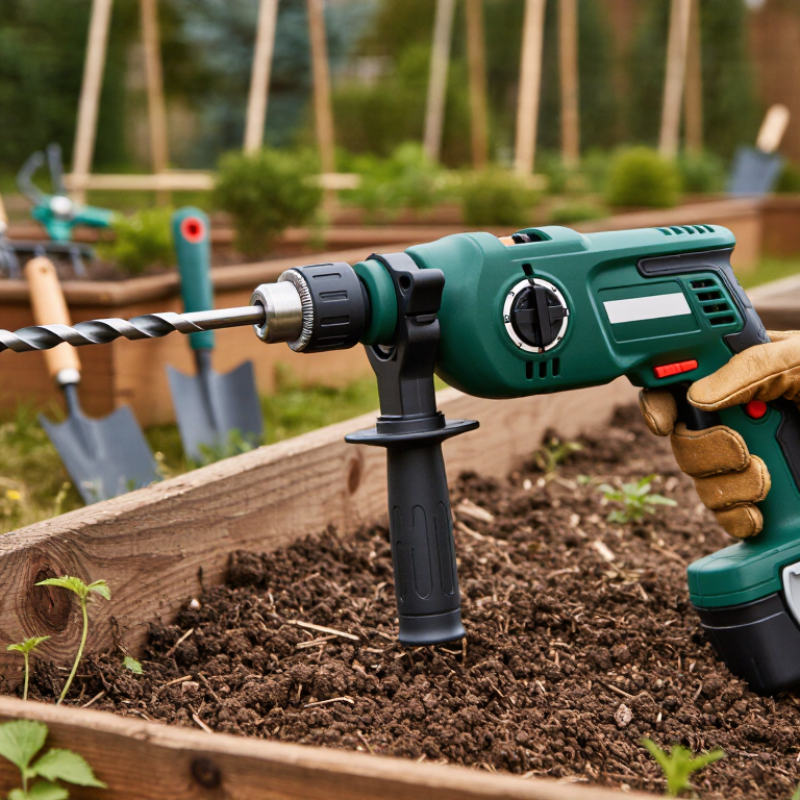
Choosing the Best Gardening Drill begins with the task, not the product label. A drill that handles raised-bed frames may struggle with compact soil or thick timber. The wrong choice can leave stripped screws, overheated batteries, and a sore wrist.

Monty Don, the respected British horticulturist and gardening presenter, often reminds gardeners, “The best gardening is done with your knees in the dirt.” His observation reflects a practical truth: tools should serve real garden work, not impress on a shelf. A reliable Gardening Drill should feel balanced when you work beside a planting bed. Its grip should remain comfortable after repeated use. Its clutch should offer control when fastening greenhouse panels or assembling planters. Variable speed matters too. Slow speed supports careful starts. Higher speed suits larger holes in clean wood.

Look beyond raw voltage. Check torque settings, chuck size, battery compatibility, and weather-safe storage. A brushless motor may improve efficiency, but it does not automatically make every model better. Sometimes, a lighter drill is the wiser purchase. That detail is easy to overlook.

Your garden changes over time. Today, you may build a trellis. Next season, you may install irrigation supports or repair a compost bin. Choose with those jobs in mind. Still, no drill is perfect. Some batteries fade sooner than expected, and advertised power can feel optimistic. Reading independent reviews and testing the balance personally can prevent disappointment. The best Gardening Drill is the one you can control confidently, maintain easily, and use repeatedly without forcing the tool.
How to Choose the Best Gardening Drill?

Understanding What a Gardening Drill Is and How It Works

How to Choose the Best Gardening Drill?

Understanding What a Gardening Drill Is and How It Works

A gardening drill is usually a handheld power drill fitted with a soil auger. The auger has a spiral shaft that cuts into loose soil, lifts it upward, and forms a planting hole. It is useful for bulbs, seedlings, small posts, and repeated container planting. Unlike a standard drill bit, it must manage friction, moisture, stones, and changing soil density.

Torque matters more than speed. A high-speed setting may spin well in dry soil but can stall in clay. For most garden work, choose adjustable speed control, forward and reverse rotation, and a comfortable side handle. A clutch can reduce wrist strain when the auger suddenly meets a root. I have found that a shorter auger feels easier to control, although it creates shallower holes.

The 2023 National Gardening Survey reported that about 80% of U.S. households participated in lawn and garden activities. It also estimated $52.3 billion in related consumer spending during 2022. These figures show why faster planting tools attract attention, but productivity should not replace soil awareness. The Royal Horticultural Society advises checking soil condition before cultivation, especially when it is waterlogged or compacted. Do not force the tool. Wet clay can smear instead of opening cleanly, while gravel can twist the shaft unexpectedly. Battery capacity, auger diameter, and tool weight should match your planting scale. A compact setup may outperform a powerful one in a narrow garden.

The 2023 National Gardening Survey reported that about 80% of U.S. households participated in lawn and garden activities. It also estimated $52.3 billion in related consumer spending during 2022.

Identifying the Right Drill Type for Your Gardening Tasks

Choosing a gardening drill starts with the task, not the tool’s advertised power. For seed trays, planter drainage holes, and light soil mixing, a standard cordless drill with variable speed offers better control. I prefer a compact model because it feels steadier near stems and narrow containers. Keep the speed low. This reduces heat, splintering, and accidental damage.

A garden auger attachment suits repeated bulb planting or loosening compact soil. Use it only in reasonably clear ground. Stones, roots, and hidden irrigation lines can stop the bit suddenly. For fence posts or deeply packed soil, a higher-torque drill may help, but a dedicated post-hole tool is often safer. A hammer drill works well on masonry planters, not ordinary soil. Its impact action can crack delicate containers and disturb nearby roots. An impact driver may accept compatible accessories, yet its sharp torque is harder to control. Not every task needs more force.

Match the chuck size to your accessories, then check battery weight, grip, and speed settings. Wet soil may clog an auger, while dry soil creates dust and resistance. I once chose power over balance and bruised a planter rim. The mistake was avoidable. Wear eye protection, inspect the area, and stop when the bit binds. Read the accessory instructions because shaft limits and recommended speeds vary. A drill should provide controlled progress without straining your hands or garden structure.

How to Choose the Best Gardening Drill?

Different gardening tasks require different drill designs. This chart compares typical suitability scores from 1 to 5, where 5 indicates the most appropriate drill type for the task.

Quick guide: A cordless drill/driver is suitable for general planting and light maintenance. A hammer drill is better for masonry or hard surfaces, while a power auger is designed for larger holes in soil. A right-angle drill is useful when working in narrow or difficult-to-reach spaces.

Comparing Power, Speed, Torque, and Battery Performance

Choosing a gardening drill starts with matching power to the task, not chasing the largest number. For potting soil, seed holes, and light mixing, moderate power is usually sufficient. A 500-watt input rating may still deliver different results across tools. Efficiency, gearing, and bit resistance matter. I learned this after using a powerful drill that stalled in damp clay. The specification looked impressive. The performance was not.

Speed affects control. Low speed suits bulb augers and thick soil because it limits sudden twisting. Higher speed works better for small holes and loose compost. Torque matters more when the bit meets roots, stones, or compacted ground. Look for adjustable settings, a mechanical clutch, and a stable side handle. The U.S. Department of Energy’s tool-efficiency guidance emphasizes that electrical input does not equal useful mechanical output. That distinction is easy to overlook. Very easy.

Battery performance deserves practical testing. The International Energy Agency reported average lithium-ion battery pack prices of 139 dollars per kilowatt-hour in 2023, but lower cost does not guarantee longer garden runtime. Check amp-hours, charging time, heat control, and performance near the battery’s final charge. A 4 Ah pack may last longer than a 2 Ah pack, yet it adds weight at the wrist. For repeated planting, I prefer two medium packs over one oversized pack. That choice is not perfect. Heavier tools can cause fatigue before the battery runs empty. After fifteen minutes of drilling, balance often matters more than peak torque.

Evaluating Drill Features, Attachments, Safety, and Ease of Use

How to Choose the Best Gardening Drill?

A gardening drill should match the work, not simply offer the highest power. For planting bulbs, choose variable speed and a gentle clutch setting. Lower torque reduces damage to roots, pots, and delicate soil beds. A comfortable handle matters during repeated holes. I prefer a balanced tool that stays steady with one hand. Weight becomes obvious after thirty minutes. Battery capacity also deserves attention, especially for large gardens without nearby outlets.

Attachments can expand a drill’s usefulness. Soil augers create planting holes quickly, while small brushes clean pots and greenhouse frames. A mixing paddle may help prepare compost or potting soil. Check that the chuck holds attachments firmly without slipping. Metal shafts usually resist bending better than thin plastic parts. However, more attachments can create clutter. I once bought a useful set and rarely used half of it.

Safety features should remain practical, not decorative. A trigger lock can prevent accidental starts during attachment changes. Overload protection helps prevent overheating in compact motors. Wear eye protection when soil, grit, or dry debris may scatter. Keep loose sleeves away from rotating parts, and remove the battery before clearing jams. Test the drill briefly first. That small step can reveal vibration, unusual noise, or a poorly secured attachment. Ease of use includes simple controls, readable settings, and a battery that removes without force.

Matching Your Budget and Maintenance Needs to the Best Drill

How to Choose the Best Gardening Drill?

Your budget should cover more than the drill itself. Include batteries, a charger, suitable bits, and replacement parts. For light tasks, such as planting bulbs or mixing compost, a compact cordless drill may be enough. A higher-torque model suits dense soil, raised-bed construction, and repeated outdoor work. I once bought a low-cost drill that struggled after several holes. The initial saving did not last.

Maintenance needs should guide your choice. Look for a removable battery, accessible vents, and a chuck that resists soil buildup. After each session, brush away grit and wipe the body with a slightly damp cloth. Do not store the drill in a wet shed. Moisture can damage contacts and reduce battery life. Check the bit for bending or dull edges, because forcing a worn bit increases motor strain. Some maintenance advice depends on the model, so read its manual carefully.

Tips: Choose torque settings you can control. Keep a spare charged battery for larger gardens. Use gardening bits only for suitable soil conditions. Stop when the motor smells hot. Let it cool naturally. A small tool kit can prevent avoidable repairs. I still underestimate how quickly fine dust enters moving parts, especially during dry weather. That mistake reminds me to clean the chuck before storage, not the next morning.

How to Choose the Best Gardening Drill? — Matching Your Budget and Maintenance Needs to the Best Drill

Drill Type Typical Gardening Uses Typical Purchase Budget Power and Runtime Maintenance Requirements Advantages Limitations Best For
Basic Corded Drill Small planting holes, container gardening, light-duty wood or plastic projects, and mixing small amounts of potting material. Approximately $35–$80 Consistent power with no battery charging; usually suitable for light to moderate tasks. Keep the ventilation openings clear, inspect the power cord, and store it in a dry place. No battery replacement cost, lightweight operation, and reliable for occasional work near an outlet. Requires access to mains electricity; the cord can restrict movement and create a tripping hazard outdoors. Gardeners with a limited budget and a nearby power outlet.
Compact Cordless Drill/Driver Installing trellis hardware, assembling raised beds, drilling small holes in wood, and planting with small auger or bulb bits. Approximately $60–$150, often including one battery and charger Portable power with commonly available 12–18 V battery systems; runtime depends on battery capacity, material, and workload. Charge and store batteries according to the manual, clean the chuck, and keep battery contacts dry. Portable, convenient, and easy to control in tight garden spaces. Battery runtime is limited; replacement batteries add long-term cost. Most home gardeners who need a versatile general-purpose tool.
Heavy-Duty Cordless Drill Repeated drilling in timber, larger planting holes, fence and pergola construction, and extended outdoor projects. Approximately $150–$300, depending on battery capacity and included accessories Higher torque and longer runtime than compact models; additional batteries may be needed for continuous work. Clean cooling vents, check the chuck and clutch, avoid overheating, and store batteries in moderate temperatures. Strong performance, good portability, and greater capacity for demanding garden construction. Heavier, more expensive, and often excessive for occasional light tasks. Large gardens, frequent DIY work, and users who drill for long periods.
Hammer Drill Drilling into brick, concrete blocks, stone edging, masonry planters, and hard landscaping materials. Approximately $80–$220 Provides rotary drilling with an impact action; corded models offer continuous power, while cordless models trade runtime for portability. Clean dust from vents and the chuck, inspect the side handle, and use suitable masonry bits. Handles masonry tasks that standard drills may struggle with. Heavier and noisier; impact mode can damage delicate materials and is unnecessary for ordinary soil or wood. Gardeners who regularly install anchors or fixtures in masonry.
Right-Angle Drill Drilling between closely spaced joists, inside garden structures, under benches, and in other restricted areas. Approximately $120–$300 Usually designed for controlled, moderate-duty drilling rather than maximum torque. Keep the angled gearbox clean, inspect the side handle, and avoid forcing large bits beyond the tool's capacity. Excellent access in narrow spaces and easier handling around frames and supports. Specialized design, higher cost, and less useful as a single all-purpose garden drill. Users working frequently in confined or awkward spaces.
Drill with Earth Auger Attachment Making holes for bulbs, seedlings, annual plants, small stakes, and lightweight soil aeration. Approximately $70–$200 for a compatible drill and attachment Works best in cultivated, moderately moist soil; hard, rocky, or root-filled ground increases load and battery use. Remove soil after use, wash and dry the auger, inspect the attachment connection, and avoid wet storage. Speeds up repetitive planting and reduces hand-tool effort. Can twist the user's wrist if the bit catches; unsuitable for very hard ground or large tree-planting holes. Gardeners planting many bulbs or small plants in prepared beds.
Brushless Cordless Drill Frequent drilling, repetitive construction, larger fasteners, and general garden maintenance requiring efficient battery use. Approximately $130–$350, usually excluding extra batteries Typically offers efficient motor operation, strong torque control, and longer service potential than comparable brushed designs. Requires routine cleaning and battery care; electronic components should be protected from rain and excessive humidity. Efficient, durable for frequent use, and generally cooler-running under sustained loads. Higher initial cost and compatibility with a specific battery system may increase total ownership cost. Serious gardeners who use a drill weekly or for extended projects.

Budget ranges are general estimates and vary by power rating, included accessories, battery capacity, and local market conditions. Always follow the tool manufacturer's safety instructions, especially when using auger attachments or working outdoors.

FAQS

What is a gardening drill?

It is a handheld drill fitted with a soil auger. The spiral shaft cuts soil and lifts it upward. This creates holes for bulbs, seedlings, and small posts. It is not simply a regular drill with extra confidence.

Which matters more, speed or torque?

Torque usually matters more. Low speed helps the auger handle roots, stones, and compacted soil. High speed suits loose compost and small holes. More speed is not always better.

What features should a gardening drill have?

Choose adjustable speed, forward and reverse rotation, and a comfortable side handle. A mechanical clutch can reduce wrist strain. A shorter auger offers better control but creates shallower holes. That trade-off surprised me.

How does soil condition affect drilling?

Dry, loose soil usually cuts cleanly. Wet clay may smear around the hole instead. Gravel can twist the auger suddenly. Avoid forcing the tool through waterlogged or heavily compacted soil. Stop and reassess.

How much battery capacity is useful?

A 4 Ah battery may run longer than a 2 Ah battery. However, the larger pack adds weight near your wrist. Two medium batteries can suit repeated planting. Runtime depends on soil, auger size, and motor efficiency.

Should I choose a powerful drill for every garden task?

Not necessarily. Moderate power handles potting soil, seed holes, and light compost mixing. Higher torque helps with dense soil and repeated outdoor work. A compact tool may perform better in a narrow garden. Bigger can become tiring.

What costs should I include in my budget?

Include the drill, batteries, charger, augers, and possible replacement parts. A cheaper tool may struggle after several holes. The initial saving may disappear quickly. I learned that the hard way.

How should I maintain a gardening drill?

Brush away grit after every session. Wipe the body with a slightly damp cloth. Clean the chuck before storage, especially after dusty work. Store the tool in a dry place. Let a hot motor cool naturally. Never rush that part.

Conclusion

Choosing the best Gardening Drill starts with understanding how it works and what your specific gardening tasks require. A compact cordless model may be suitable for planting bulbs, loosening soil, assembling garden structures, and handling light repairs, while heavier tasks may require more power, torque, and a wider speed range. Consider the material you will work with, the size of the job, and whether portability or continuous operation matters most. Battery capacity, charging time, and overall runtime are also important factors for outdoor use.

Beyond basic performance, evaluate useful features such as adjustable settings, comfortable grips, built-in lighting, and compatible attachments for drilling, mixing, or planting. Safety features, balanced weight, and simple controls can make long sessions more comfortable and reduce mistakes. Finally, compare the drill’s price with its expected durability, cleaning requirements, battery replacement costs, and storage needs. The best choice is one that matches your gardening habits, skill level, budget, and long-term maintenance expectations.


Liam

Liam

Liam is a dedicated marketing professional with a profound expertise in the industry, where he excels at highlighting the unique advantages of our core products. With a keen understanding of market trends and consumer needs, Liam frequently updates our company’s professional blog, providing......