China Top Drilling Pump Manufacturers for Global Buyers

Time:2026-10-12 Author:Liam
0%

Choosing reliable Drilling Pumps is a practical decision for drilling contractors, equipment distributors, and energy service companies. China has become an important sourcing market, offering manufacturers with different production capacities, engineering strengths, and export experience. Yet product quality can vary. A polished catalog is not proof of dependable performance.

This guide examines China’s top drilling pump manufacturers for global buyers. It focuses on fluid-end design, pressure ratings, materials, spare-parts availability, testing procedures, and after-sales support. These details matter when a pump operates beside a busy rig, handling abrasive drilling fluid through long shifts. Buyers should also review factory certifications, quality-control records, reference projects, and communication practices. Small gaps in documentation may become costly delays later.

Some manufacturers specialize in triplex pumps. Others provide complete mud-pump packages, replacement parts, or customized configurations. The best choice depends on operating pressure, flow rate, formation conditions, maintenance skills, and the project’s delivery schedule. Price deserves attention, but it should not lead the evaluation.

No supplier is perfect. Even experienced manufacturers may have limits in customization, testing capacity, or overseas service coverage. A careful comparison reveals those weaknesses early. This article offers a balanced starting point for identifying capable Chinese suppliers, verifying their claims, and building a more reliable procurement process. Evidence matters most.
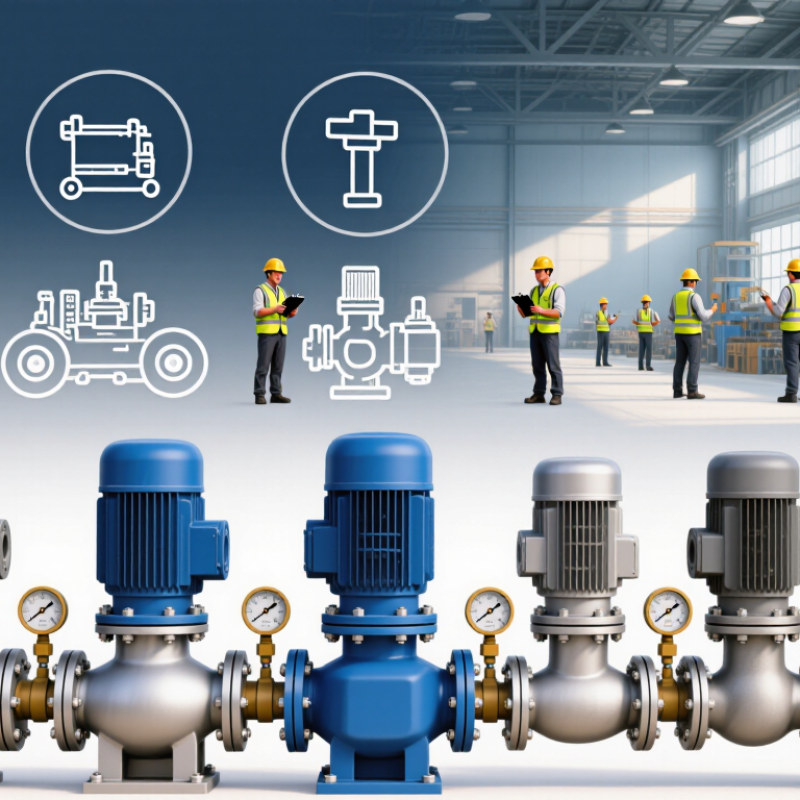
China Top Drilling Pump Manufacturers for Global Buyers

Understanding Drilling Pumps and China’s Manufacturing Position

Drilling pumps move drilling fluid through the wellbore at controlled pressure and flow. They support cooling, cuttings removal, and pressure management during drilling.

Common designs include triplex and duplex pumps. Triplex models usually offer smoother discharge and lower pulsation. Duplex pumps can provide a practical option for certain heavy-duty operations.

A pump is not chosen by pressure alone. Fluid density, abrasive solids, stroke rate, liner size, and maintenance access also matter.

China has become a major manufacturing base for drilling pumps and related components. Its factories combine large-scale machining with established metalworking supply chains.

Buyers can often source fluid ends, power ends, valves, liners, and spare parts from one production region.

In a competent factory, technicians inspect crankshafts, measure cylinder bores, and perform pressure tests before shipment.

Material certificates and inspection records strengthen purchasing decisions. Export experience also helps with packaging, documentation, and regional service requirements.

The picture is not flawless. Quality can vary between suppliers using similar specifications. A polished catalogue cannot replace factory audits or test evidence.

Global buyers should verify pump curves, seal materials, warranty terms, and replacement-part availability. Ask for witnessed testing when the application is critical.

Check how the supplier handles vibration, corrosion, and unexpected downtime.

Small details matter. China’s manufacturing position is strong, but careful technical review remains essential.

Key Product Types and Technical Features to Compare

China Top Drilling Pump Manufacturers for Global Buyers

When comparing drilling pumps, start with the pump type and operating duty.

Triplex pumps provide stable discharge flow, compact dimensions, and efficient power transfer. Duplex pumps can offer strong suction performance and simpler maintenance. Quintuplex models may reduce pulsation, but their higher complexity needs skilled service teams. Match the pump to mud density, flow demand, pressure, and rig space.

Technical details matter more than catalog capacity.

Check maximum pressure, rated horsepower, stroke length, liner diameter, and volumetric efficiency. A replaceable fluid-end module can shorten maintenance downtime. Forged alloy steel parts usually support demanding pressure cycles. Inspect the valve design, piston sealing, crankshaft bearings, and lubrication system closely. Pulsation dampeners should control pressure variation without creating excessive backpressure. Confirm testing records, material certificates, and relevant international compliance documents.

A practical buyer should also examine installation and after-sales support.

Ask for wear-part drawings, recommended torque values, spare-part lead times, and remote troubleshooting procedures. The pump must tolerate local temperature, water quality, and transport conditions.

A common mistake is choosing maximum pressure without checking actual flow efficiency. That choice can waste power.

I would also avoid judging reliability from paint quality or polished photographs. Factory inspection, load testing, and service history provide stronger evidence, although even these records need careful review. Times change. Specifications should be rechecked before every purchase.

How to Assess China’s Leading Drilling Pump Manufacturers

How to Assess China’s Leading Drilling Pump Manufacturers

Global buyers should assess drilling pump manufacturers through evidence, not polished factory tours. The IEA’s Oil 2024 report projects global oil demand will reach 105.4 million barrels per day by 2030. This supports continuing equipment demand, but purchasing decisions still require caution. Examine pump capacity, pressure ratings, fluid-end materials, liner quality, valve design, and spare-parts availability. Ask for hydrostatic test records, non-destructive examination reports, and performance data under realistic mud conditions. Paperwork matters.

A reliable manufacturer should understand API Spec 7K requirements and provide traceable quality records. Request the serial number, inspection date, material certificate, and test pressure for each critical component. A sample production video is useful, but an independent inspection is stronger. Check whether technicians can respond across time zones. Delayed support can stop a rig faster than a worn piston. Baker Hughes’ International Rig Count also shows how drilling activity changes across regions, so flexible service planning deserves attention.

Price comparisons should include liners, valves, shipping, training, and maintenance intervals. A low quotation may conceal expensive downtime. I would also review three years of delivery performance and references from similar drilling environments. This step is often skipped. It should not be. No supplier evaluation is perfect; even a careful audit may miss weak field support or inconsistent batches. Trial orders and staged payments can reduce that uncertainty.

How to Assess China’s Leading Drilling Pump Manufacturers

Reference pressure classes commonly used when comparing drilling mud pump specifications for global procurement.

Pressure rating is a key screening factor for drilling pump suppliers. Buyers should verify that the manufacturer’s test certificates, material traceability, API 7K compliance, service support, spare-parts availability, and delivery capability match the selected pressure class. The values shown convert common pressure classifications from psi to MPa.

Quality Standards, Certifications, and Factory Verification

For global buyers, drilling pump quality starts with evidence, not polished brochures. A capable factory should present current certificates, test records, and clear product scopes. ISO 9001 shows a controlled management system, but it does not automatically prove pump performance. API Spec 7K certification, where applicable, must match the exact model, pressure rating, and manufacturing site. CE documents may also matter for specific markets. Check certificate numbers through issuing bodies. Confirm expiry dates and authorized scope. Small details matter.

During a factory verification, inspect machining areas, assembly bays, and test stations. Ask to see material certificates for fluid-end modules, liners, pistons, and crankshaft components. Trace one part from incoming inspection to final shipment. The trail should include heat numbers, inspection results, and operator records. Request hydrostatic, vibration, pressure, and performance tests under documented conditions. A witnessed test is stronger than a downloadable data sheet. Check calibration labels on gauges and torque tools. They should be valid. If records look too perfect, ask harder questions. Real production usually contains rework, delays, or rejected parts.

Factory audits also need practical questions about spare parts, packing, and after-sales response. Review welding procedures, nonconformance reports, and corrective actions. Ask who approves design changes. Confirm whether subcontracted machining is controlled and traceable. I have learned that a clean showroom can hide weak process discipline. Video calls help, but they cannot replace an independent inspection. Use a signed checklist, photograph serial plates, and compare shipped units with approved drawings. Leave room for doubt.

Global Purchasing, Logistics, and After-Sales Support

China Top Drilling Pump Manufacturers for Global Buyers

Global Purchasing, Logistics, and After-Sales Support

Global buyers should evaluate drilling pump manufacturers beyond price and advertised flow rates. According to UNCTAD’s Review of Maritime Transport 2024, ships carry over 80% of world merchandise trade by volume. A delayed export document can therefore disrupt an entire drilling schedule. Experienced suppliers should provide commercial invoices, packing lists, certificates of origin, inspection records, and clear HS-code guidance. Small details matter.

The World Bank’s Logistics Performance Index 2023 highlights customs, infrastructure, shipment tracking, and delivery reliability as key supply-chain factors. Buyers should request a practical logistics plan before placing an order. It should identify port routes, crate dimensions, spare-parts packaging, insurance responsibilities, and estimated lead times. A cheaper quotation can become expensive after demurrage, rework, or missing documents. This happens.

Technical support must continue after installation. For mud pumps, suppliers should offer commissioning guidance, maintenance schedules, parts identification, and remote troubleshooting. API standards, such as API Spec 7K, can support more consistent equipment expectations, but compliance documents still require careful verification. A certificate alone is not experience. Ask for service response times, recommended critical spares, and training records.

After-sales promises are sometimes vague. Buyers should test them with specific questions before payment. Who answers during a weekend failure? How quickly can a valve module ship? No plan is perfect. Port closures, incorrect measurements, and communication gaps can still occur. Reliable purchasing means preparing for these weaknesses, not pretending they do not exist.

FAQS

What does a drilling pump do?

It moves drilling fluid through the wellbore at controlled pressure and flow. The fluid cools equipment and removes cuttings. Pressure management matters too.

How do triplex and duplex pumps differ?

Triplex pumps usually provide smoother discharge and lower pulsation. Duplex pumps can offer strong suction and simpler maintenance. Neither suits every rig.

Is maximum pressure the main selection factor?

No. Check flow demand, mud density, abrasive solids, stroke rate, and liner size. Rig space also matters. Maximum pressure alone can waste power.

Which technical details should buyers compare?

Review rated horsepower, stroke length, liner diameter, and volumetric efficiency. Inspect valves, piston seals, bearings, and lubrication systems. Pump curves reveal more than photographs.

Why do replaceable fluid-end modules matter?

They can shorten maintenance downtime. Workers may replace worn sections instead of removing the entire pump. Still, part availability needs confirmation.

What evidence should a factory provide?

Request material certificates, pressure tests, performance records, and inspection reports. Trace parts from incoming inspection to shipment. Documents can be incomplete.

How can buyers verify factory quality?

Inspect machining areas, assembly bays, and test stations. Check gauge calibration labels and torque-tool records. A clean showroom proves little.

What should buyers ask about after-sales support?

Ask for wear-part drawings, torque values, spare-part lead times, and remote troubleshooting procedures. Confirm packaging and regional service arrangements. Delays happen.

Are certifications enough to prove pump reliability?

No. Certifications show defined controls or market compliance. They do not automatically prove field performance. Check the exact model, rating, site, and certificate validity.

What common purchasing mistake should buyers avoid?

Do not judge reliability by paint, polished images, or maximum pressure. Review vibration control, corrosion resistance, service history, and replacement parts. I would still leave room for doubt.

Conclusion

This guide explains why China has become an important manufacturing base for Drilling Pumps used in oil, gas, mining, geothermal, and industrial applications. It introduces the main product categories, including triplex and duplex pumps, and highlights technical factors such as pressure rating, flow capacity, fluid compatibility, power requirements, wear resistance, and ease of maintenance. Understanding these features helps global buyers select equipment that matches their operating conditions and project demands.

The article also presents practical methods for evaluating Chinese manufacturers, including production capability, engineering expertise, quality-control procedures, testing systems, and export experience. Buyers will learn how to review certifications, verify factory facilities, inspect documentation, and assess product consistency before placing an order. In addition, it covers international purchasing considerations such as communication, customization, packaging, shipping arrangements, spare-parts availability, warranty terms, installation guidance, and after-sales support. Together, these points provide a clear framework for making reliable and cost-effective purchasing decisions.

Liam

Liam

Liam is a dedicated marketing professional with a profound expertise in the industry, where he excels at highlighting the unique advantages of our core products. With a keen understanding of market trends and consumer needs, Liam frequently updates our company’s professional blog, providing......