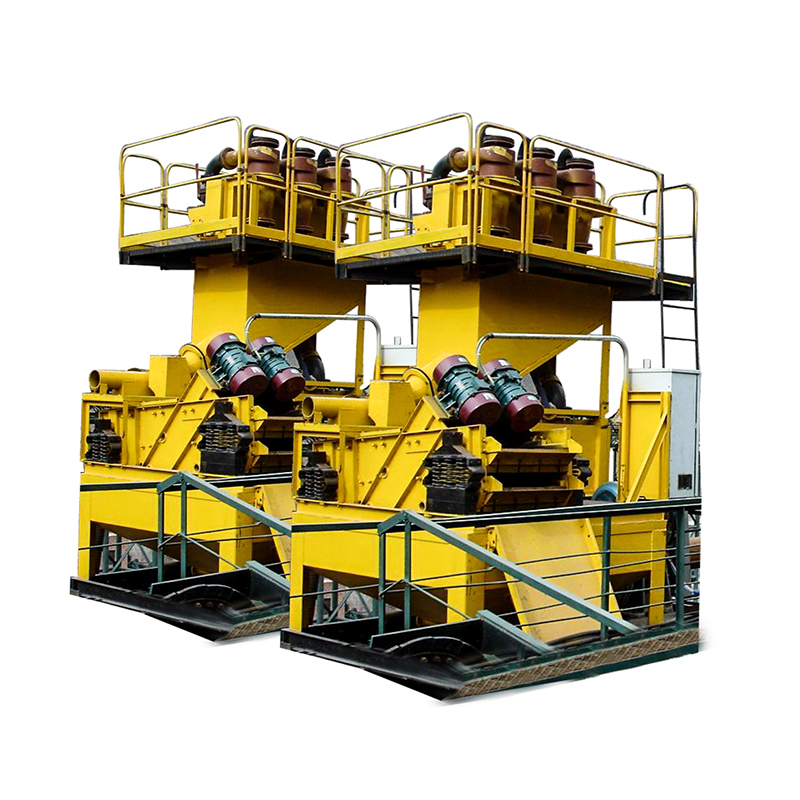
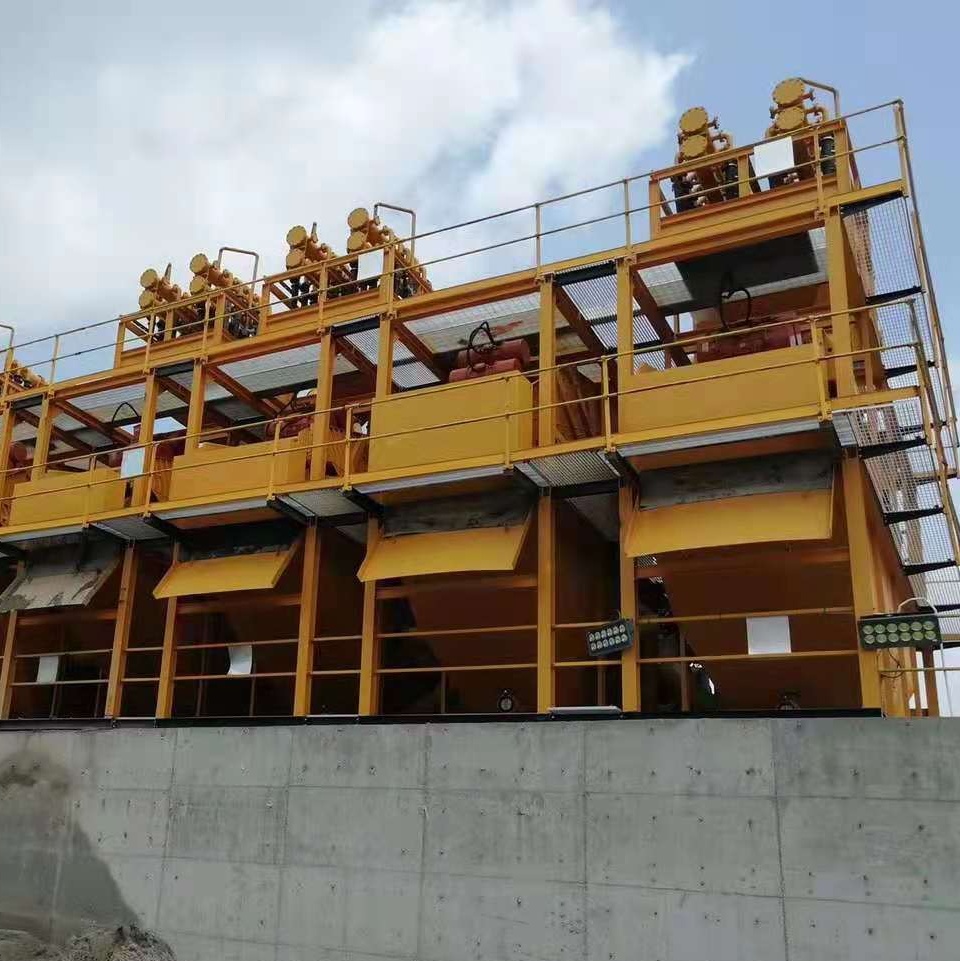
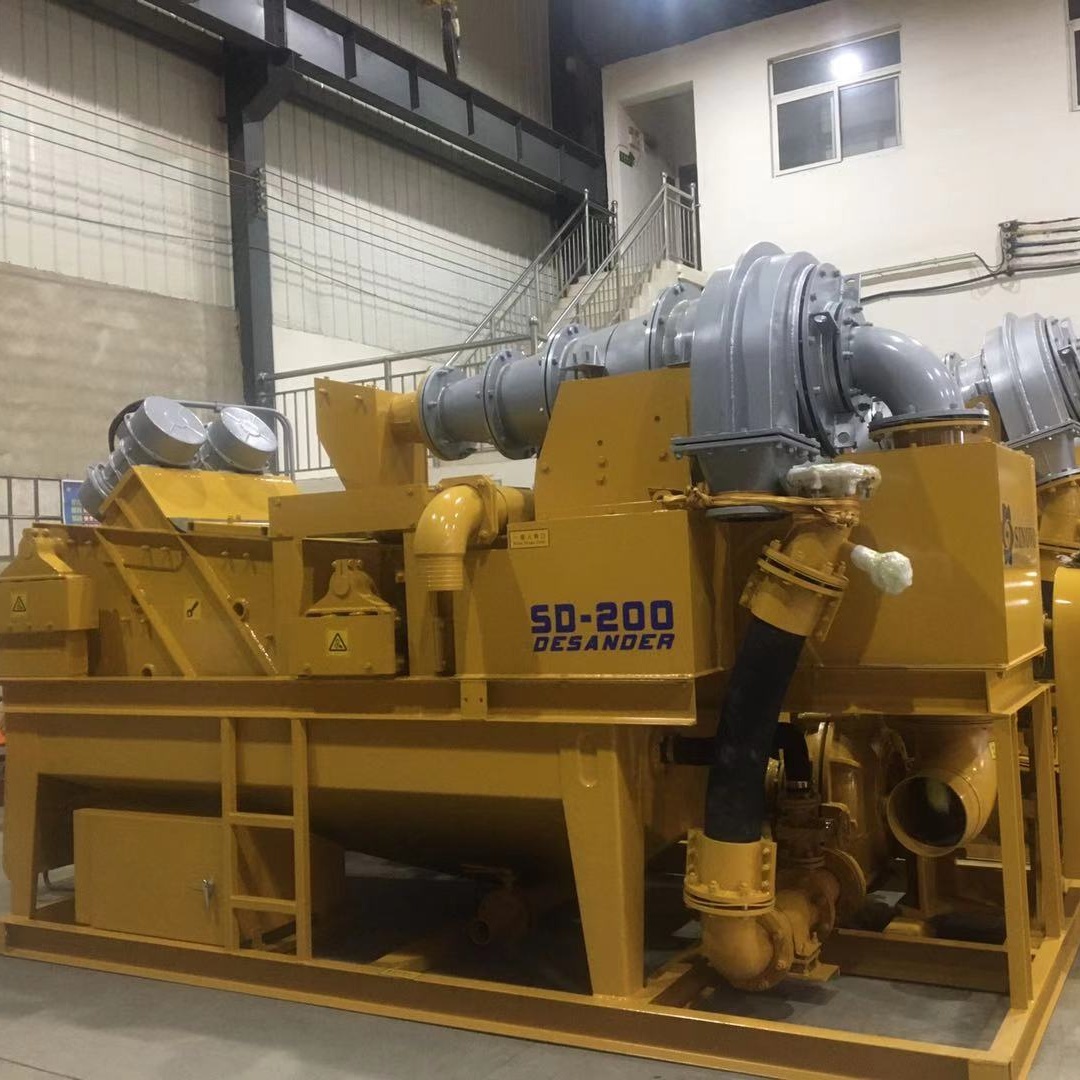
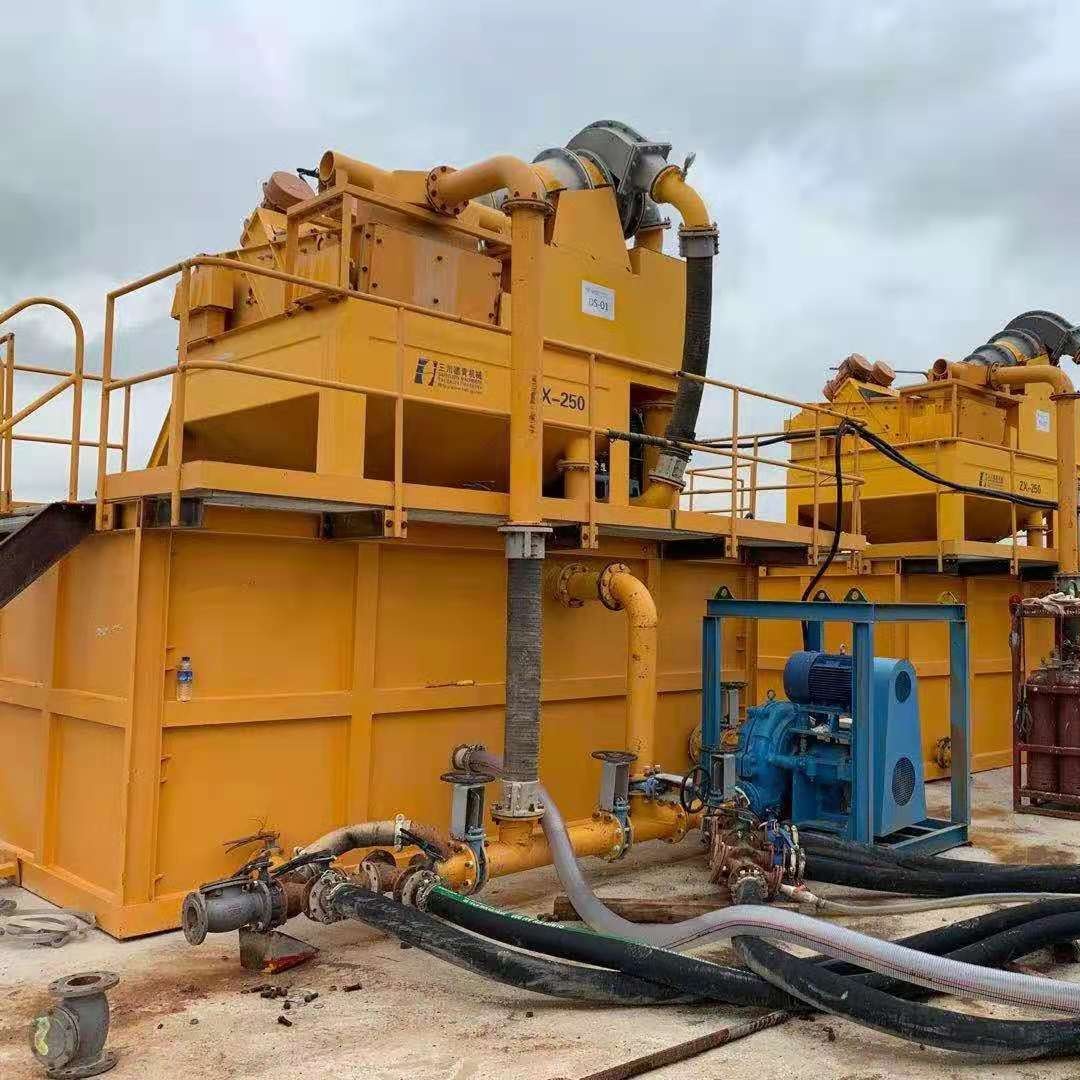
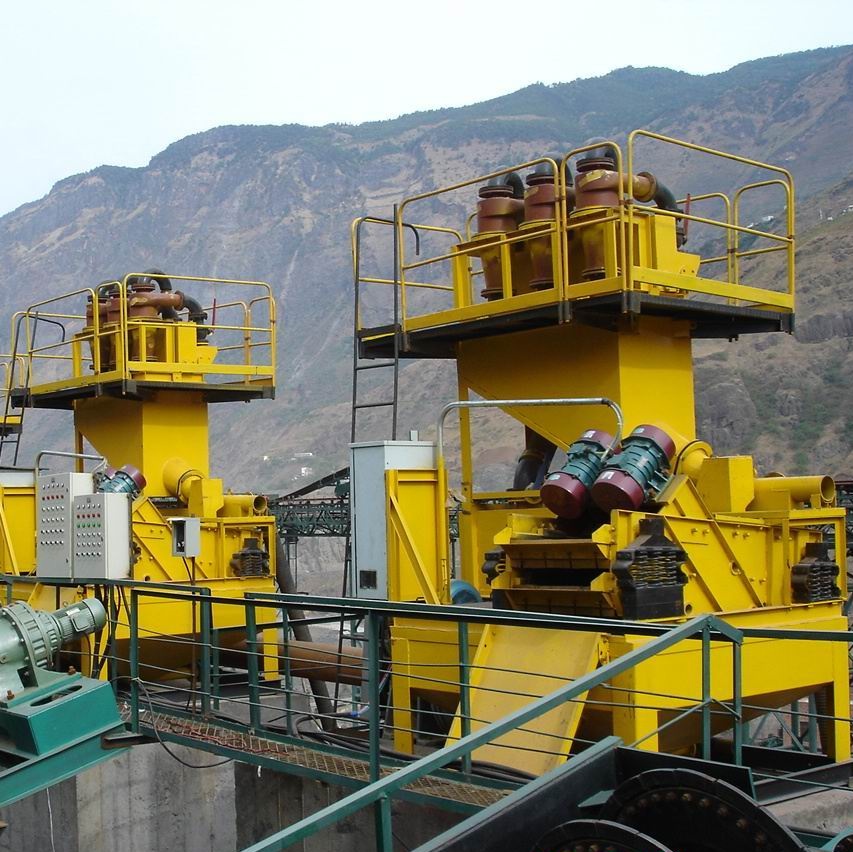
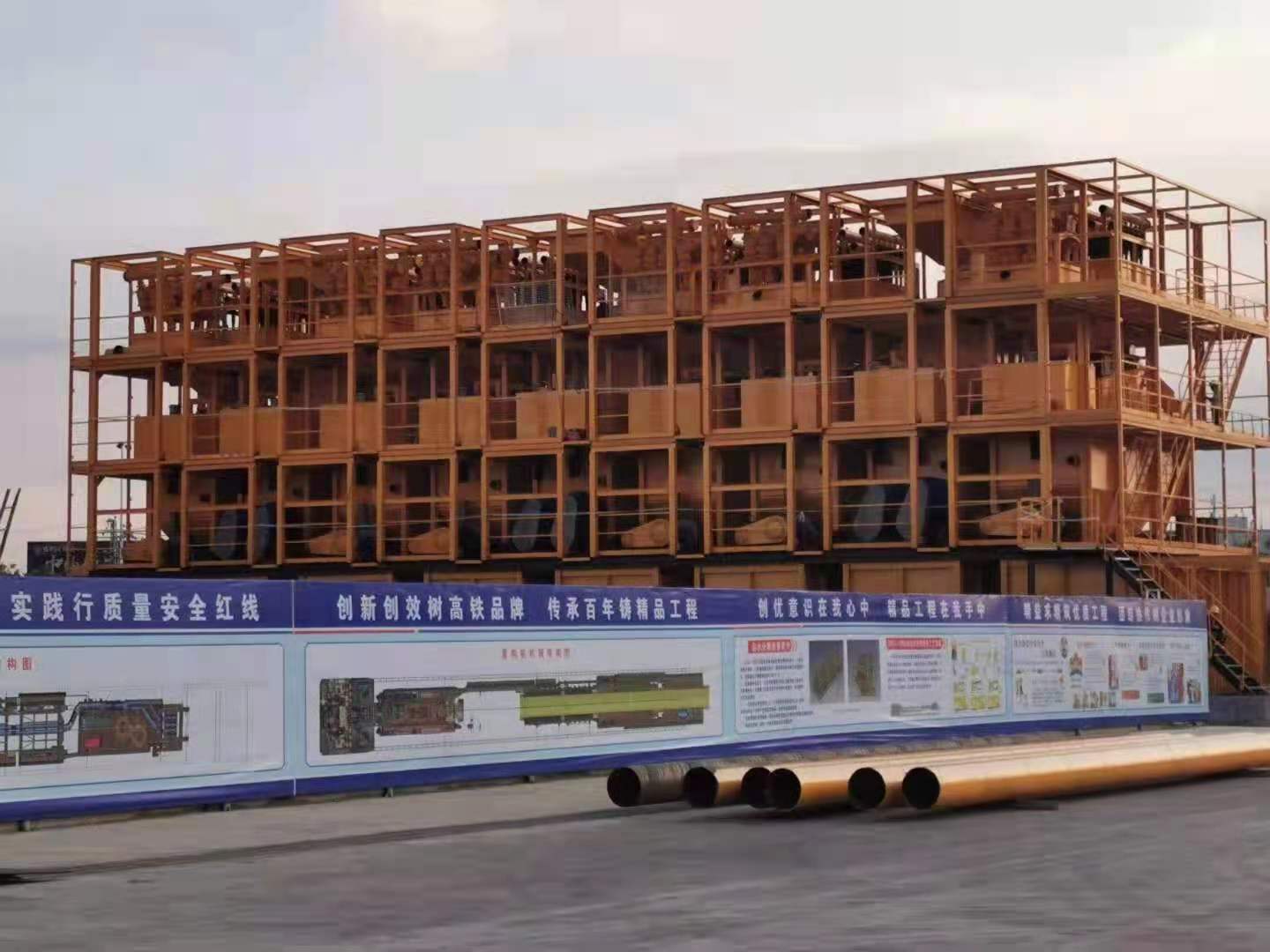
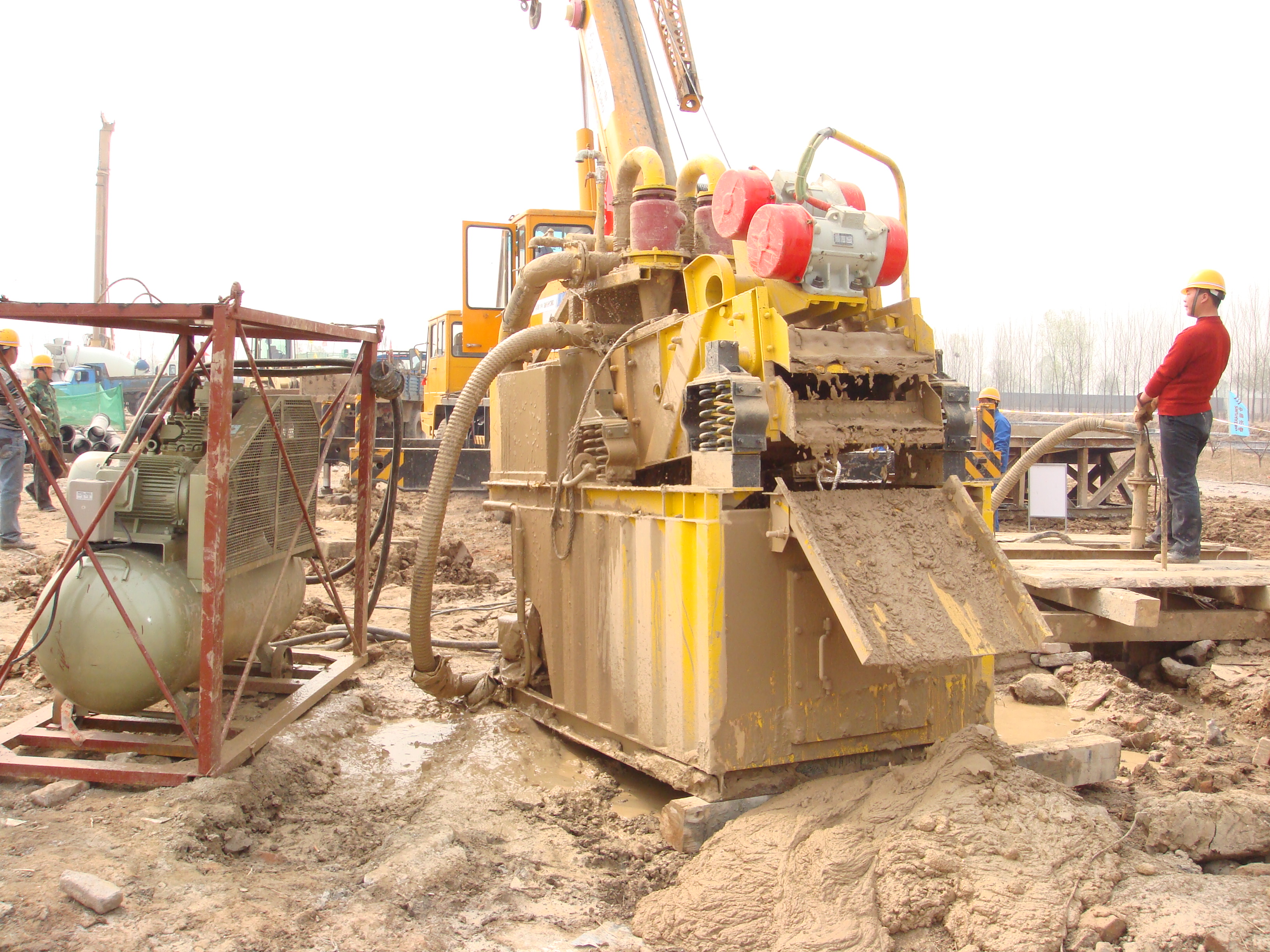
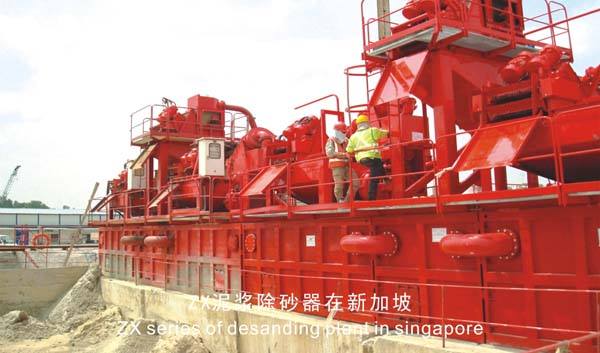
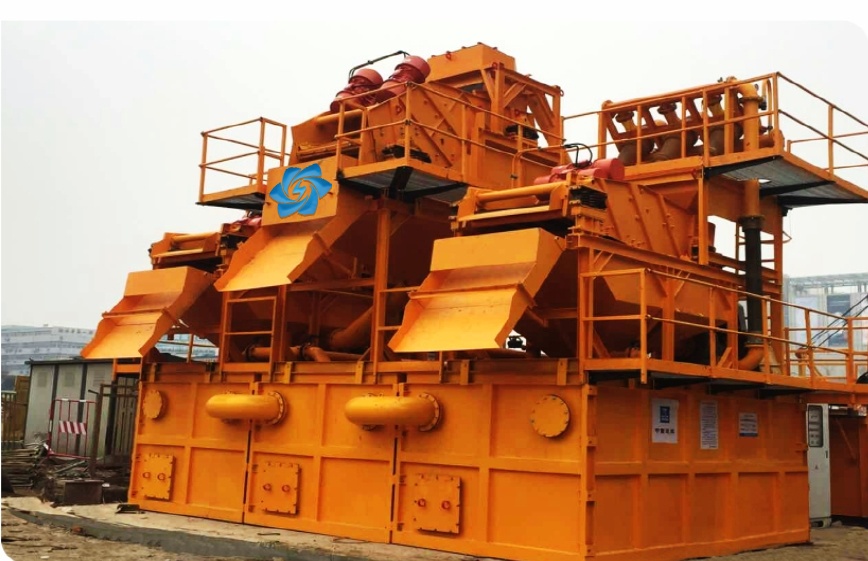
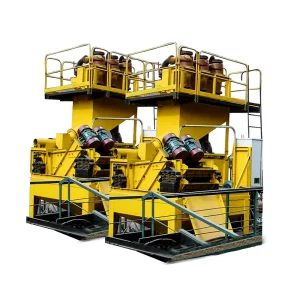
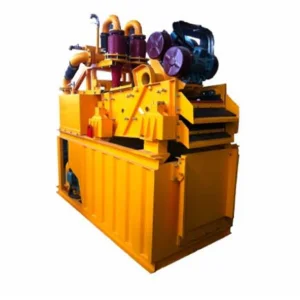
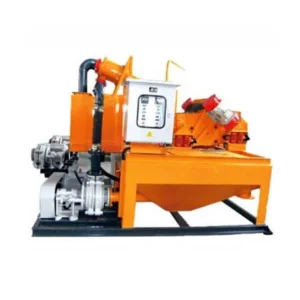
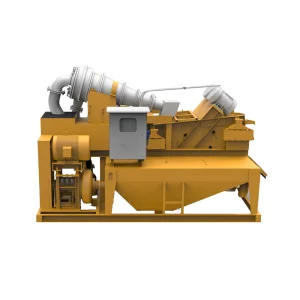
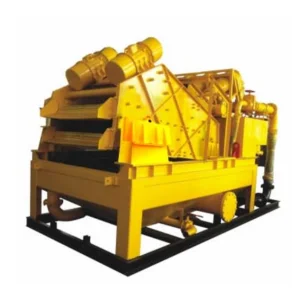
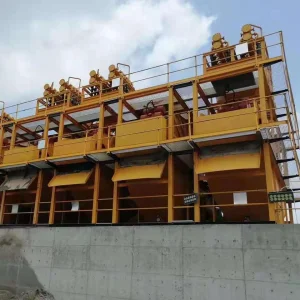
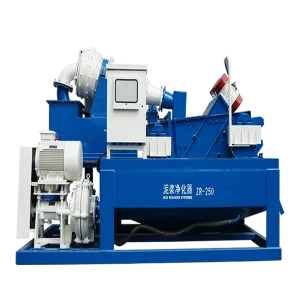
A desander is a piece of drilling rig equipment designed to separate sand from the drilling fluid. Abrasive solids which cannot be removed by shakers can be removed by it. The desander is installed before but after shakers and degasser.
The SD series desander is mainly used for clarifying mud in circulation hole. SD series desander Applications : Hydro Power, civil engineering, piling foundation D-wall, Grab, direct & reverse circulation holes piling and also used in TBM slurry recycling treatment. It can cut down construction cost, reduce environmental pollution and increase efficiency. It is one of the necessary equipment for foundation construction.
To sum up, SD series desander is conducive to the construction of relevant projects with high quality, efficiency, economy and civilization.
Q1: What is the main purpose of an SD series desander?
A1: An SD series desander is designed to separate sand and abrasive solids from drilling fluid/mud. It is primarily used to clarify mud in circulation holes and TBM slurry recycling treatments, which helps reduce construction costs and environmental pollution.
Q2: Where is the desander unit typically installed?
A2: The desander is positioned as an intermediate cleaning step; it is installed after the shale shakers and degassers, but before downstream fine cleaning equipment.
Q3: How does the vibrating screen enhance the separation process?
A3: The vibrating screen utilizes an advanced linear movement to ensure optimized dehydration. It features adjustable centrifugal forces, screen surface angles, and screen hole sizes to maintain excellent screening efficiency in different strata.
Q4: What role does the slurry pump play in this equipment?
A4: The wear-resistant centrifugal slurry pump is designed to transport highly abrasive and high-concentration slurry reliably over long periods. Its thick wear-bearing parts and heavy-duty brackets ensure high universality and low maintenance requirements.
Q5: How does slurry recycling help in construction projects?
A5: Slurry recycling saves materials, minimizes waste moisture content, and limits environmental contamination through closed-loop circulation. It also increases the overall pore-making efficiency and prevents drilling tools from sticking.
Q6: What models are available, and what is their treatment capacity?
A6: The SD series ranges from SD50 to SD500, with mud-treating capacities starting from 50 m³/h up to 500 m³/h, allowing operators to select the optimal model according to project size and requirements.
 SINOVO