 SINOVO
Deep Dive: High-Precision Cylinder Boring Machine Manufacturing & Quality Protocols
In the global precision engineering, heavy engine overhaul, and infrastructure construction sectors, the choice of cylinder boring and engine-block machining systems determines long-term structural viability and mechanical efficiency. A cylinder boring machine is designed to re-bore cylinder blocks with micro-level tolerances, allowing for custom engine rebuilds, industrial compressor overhauls, and general maintenance of heavy machinery cylinders. For large scale mining, pile engineering, and geological drilling enterprises, this mechanical precision relates directly to operational uptime, hydraulic system resilience, and overall component service life.
This comprehensive industry analysis details the design principles of CE-certified Cylinder Boring Machines, explores global procurement trends, and highlights the smart manufacturing advantages offered by China's Factory 4.0 production environments.
1. Deciphering CE Certification for Industrial Cylinder Boring Machines
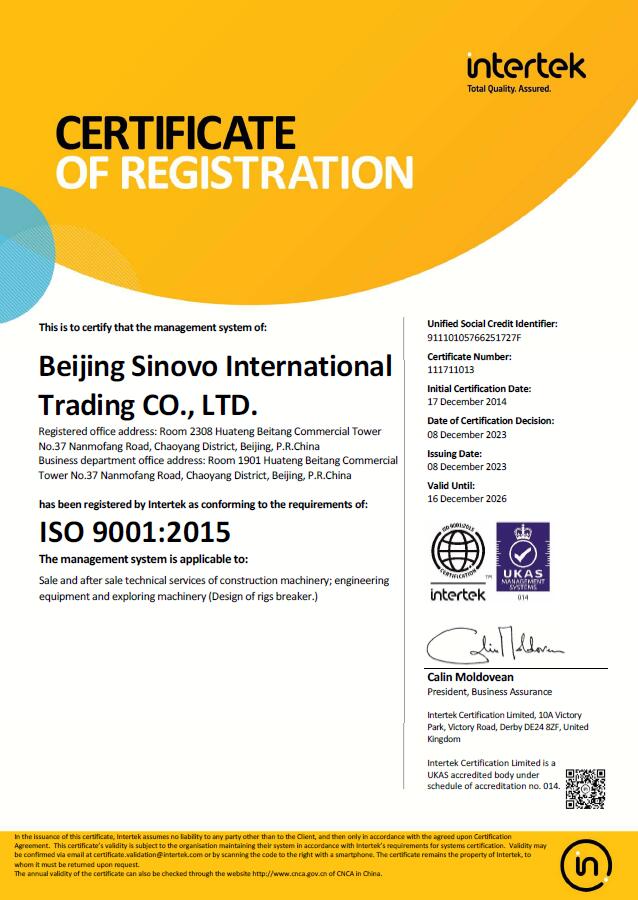
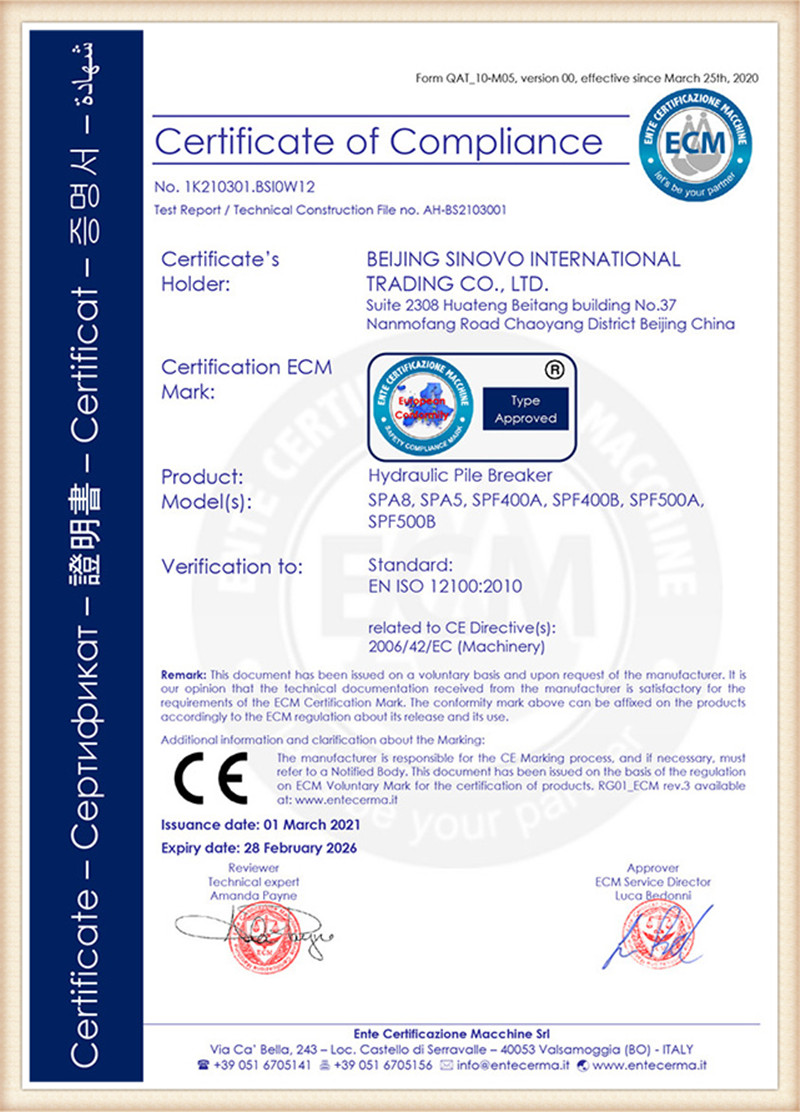
For European and global procurement agents, safety and compliance are critical quality metrics. CE certification indicates that a cylinder boring machine conforms to strict safety, health, and environmental protection standards within the European Economic Area (EEA). When evaluation boring systems, technical auditors prioritize three main directives:
- Machinery Directive 2006/42/EC: Confirms the mechanical structure is designed to mitigate operational risks, incorporating emergency stops, spindle shields, and interlocked protective enclosures.
- Low Voltage Directive 2014/35/EU: Ensures the high-torque electrical systems, electric drives, and CNC controllers operate within safe voltage limits, preventing thermal hazards and ground faults.
- EMC Directive 2014/30/EU: Guarantees that the automated electronics do not cause electromagnetic interference, and are immune to environmental electrical disturbances.
CE-certified factories carry out strict finite element analysis (FEA) to confirm that the boring bar maintains rigidity under maximum load, reducing micro-chatter and thermal expansion during heavy industrial operations.
2. Global Commercial Landscape and Procurement Demands
The demand for advanced cylinder boring machines has transitioned from basic mechanical workshops to automated industrial centers. Modern procurement teams prioritize structural flexibility. Machines are now required to handle diverse engine blocks, from automotive aluminum blocks with cast-iron liners to large-scale marine diesel engines and drilling rig hydraulic cylinders.
In regions with active mining, oil exploration, and deep foundation construction, local workshops must maintain heavy engine components on-site. Shipping heavy engine blocks back to overseas OEMs incurs significant logistics costs and operational downtime. Consequently, having CE-certified, high-precision local boring equipment is critical for local service networks.
3. Industry Evolution: From Manual Boring to CNC Automation
Precision is critical in boring operations. Even minor deviations can lead to piston blow-by, excessive oil consumption, and reduced engine power output. To address these demands, manufacturers have integrated several innovations:
- Variable Frequency Drives (VFD): Allow for step-less adjustment of spindle speeds, enabling technicians to match the cutting speed to the specific hardness of the cylinder block.
- Automated Tool Centering: Precision dial indicators and laser-guided centering tools enable centering accuracy within 0.005mm.
- CNC Control Units: Programmed feeding systems manage variable depth cuts and automatically return the boring bar to the home position once the process completes.
4. China Factory 4.0: Supply Chain Resilience and Production Quality
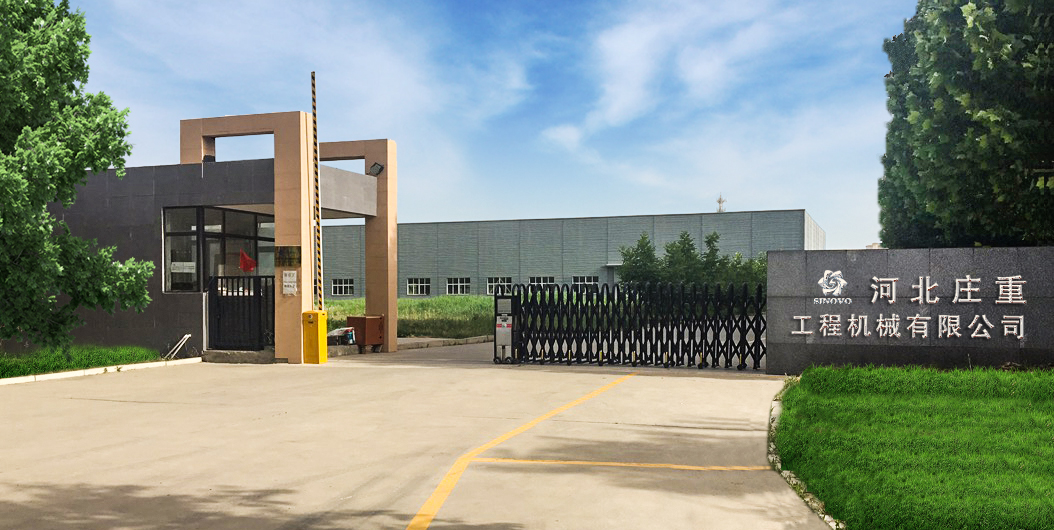
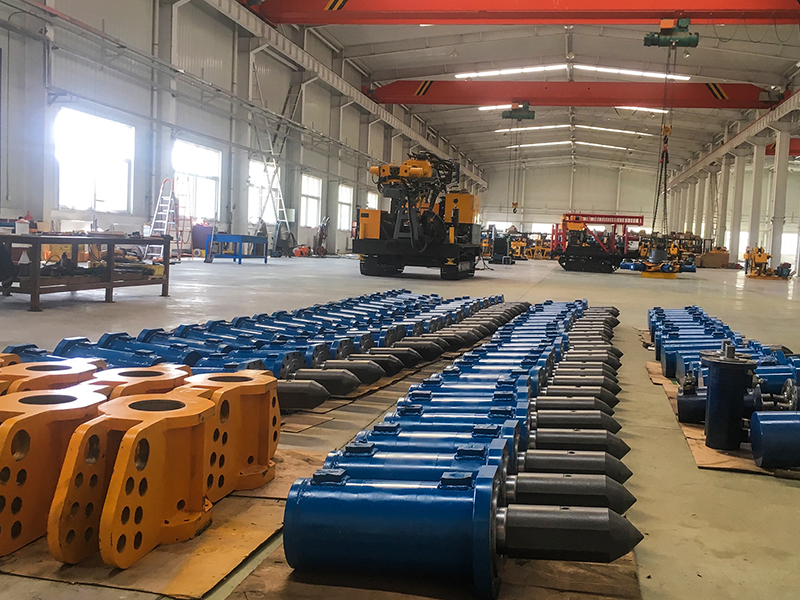
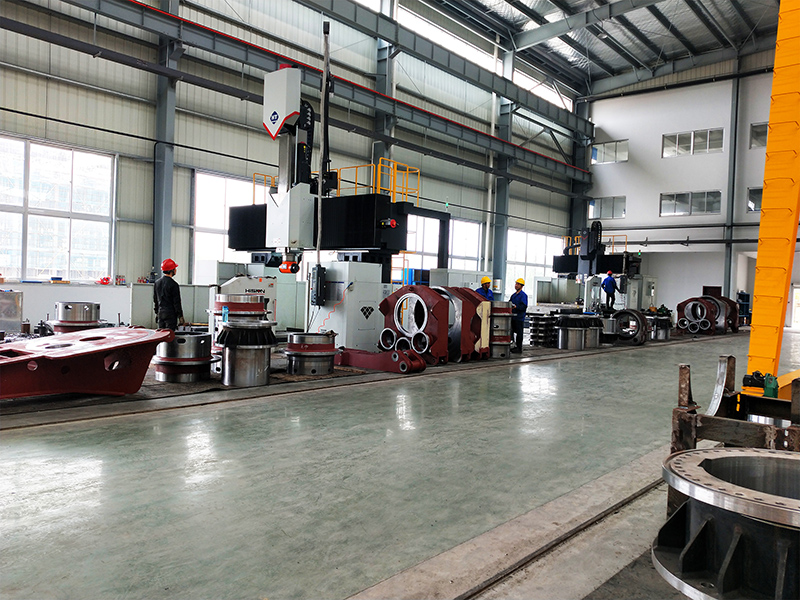
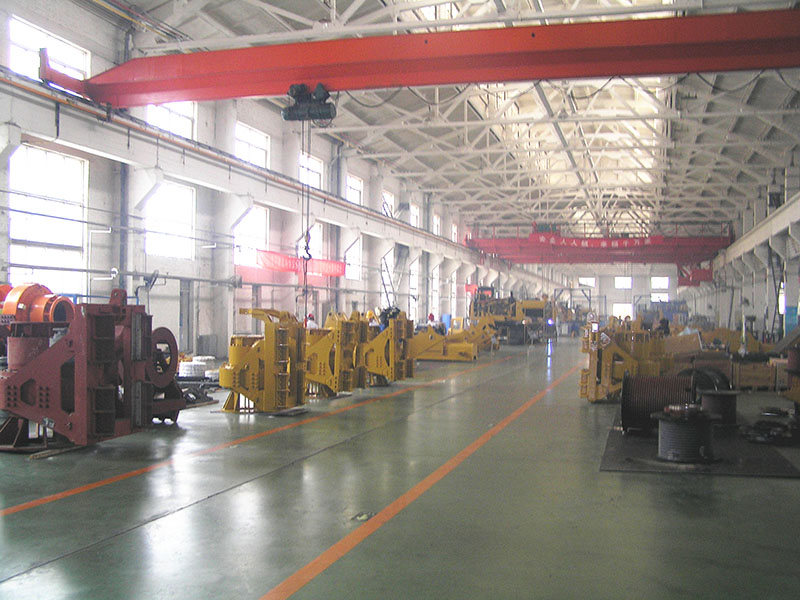
China's heavy industry manufacturing has evolved through automation and supply chain consolidation. Modern Chinese factories, such as our integrated facilities in Hebei and Beijing, utilize digital manufacturing systems to ensure consistent production quality.
By positioning manufacturing facilities near major logistics hubs like the Tianjin Port, we reduce inland freight costs and carbon emissions. Our integrated supply chain allows us to source raw materials, conduct heat treatments, perform precision machining, and carry out compliance inspections under a single quality control standard. This integrated approach ensures consistent manufacturing quality while shortening lead times for global orders.