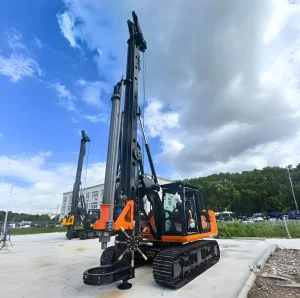
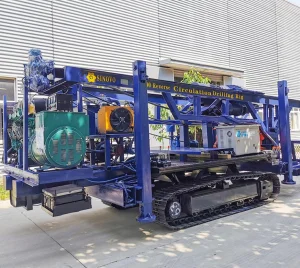
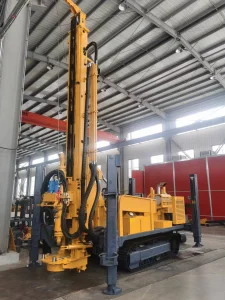
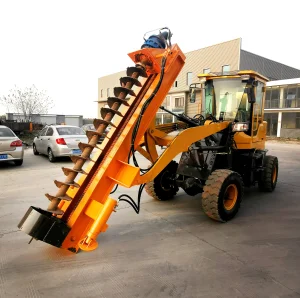
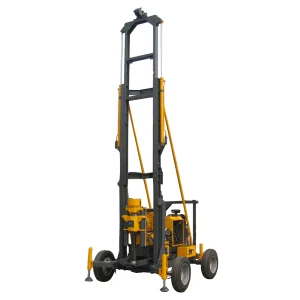
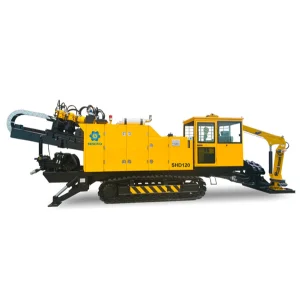
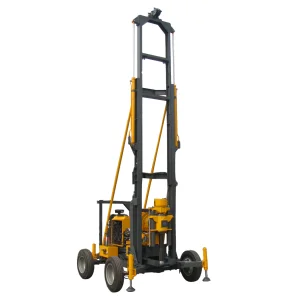
In the modern construction sector, deep foundations serve as the literal bedrock of infrastructure sustainability. Among the array of geotechnical engineering methods, the Percussion Bored Piling technique remains one of the most reliable strategies for transferring high structural loads to deep, load-bearing geological strata. Historically characterized by its structural simple-yet-effective gravity-fall dynamics, today’s percussion bored piling rigs have evolved into highly sophisticated engineering systems.
The global commercial demand for percussion bored piling machinery has surged, driven primarily by mega-infrastructure initiatives including deep-water marine ports, high-velocity transit bridges, complex urban subway networks, and supertall high-rises. In regions where rocky formations, dense gravel layers, or boulder-strewn clay deposits prevail, conventional rotary drilling faces critical tool wear and torque limits. Percussion piling overcomes this through continuous structural impact fracturing, ensuring vertical pile shafts can penetrate difficult strata without causing excessive subterranean vibration or lateral soil displacement.
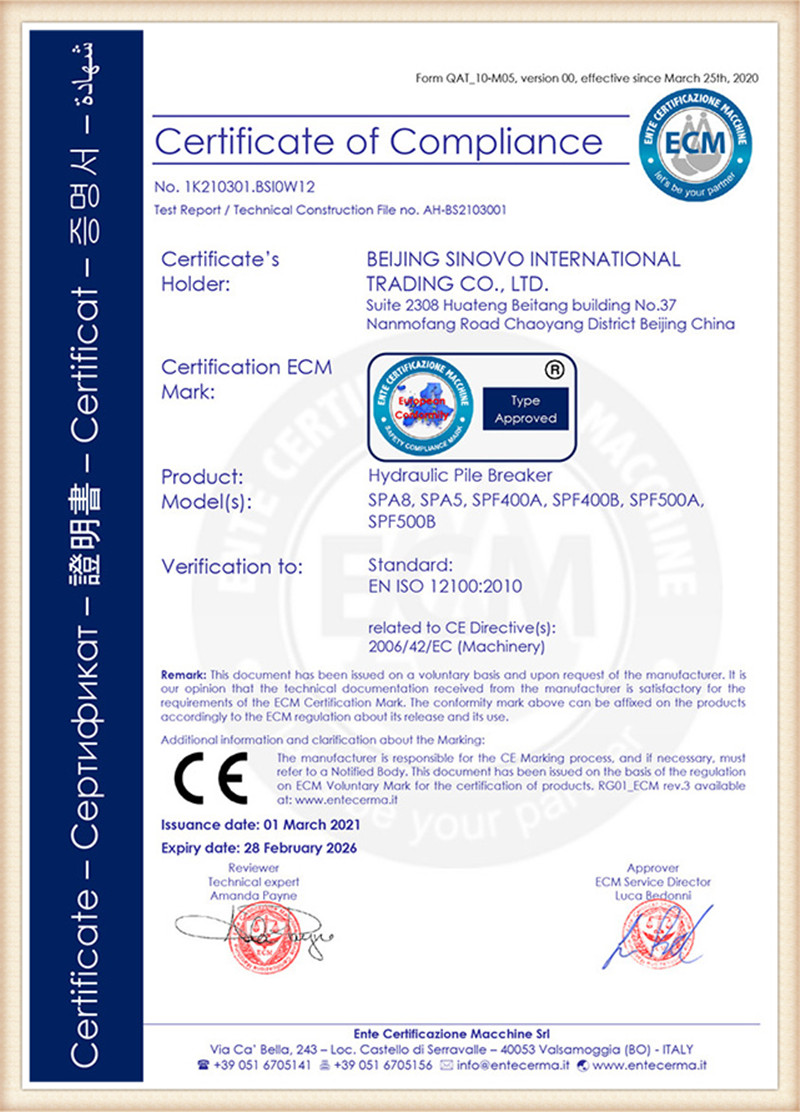
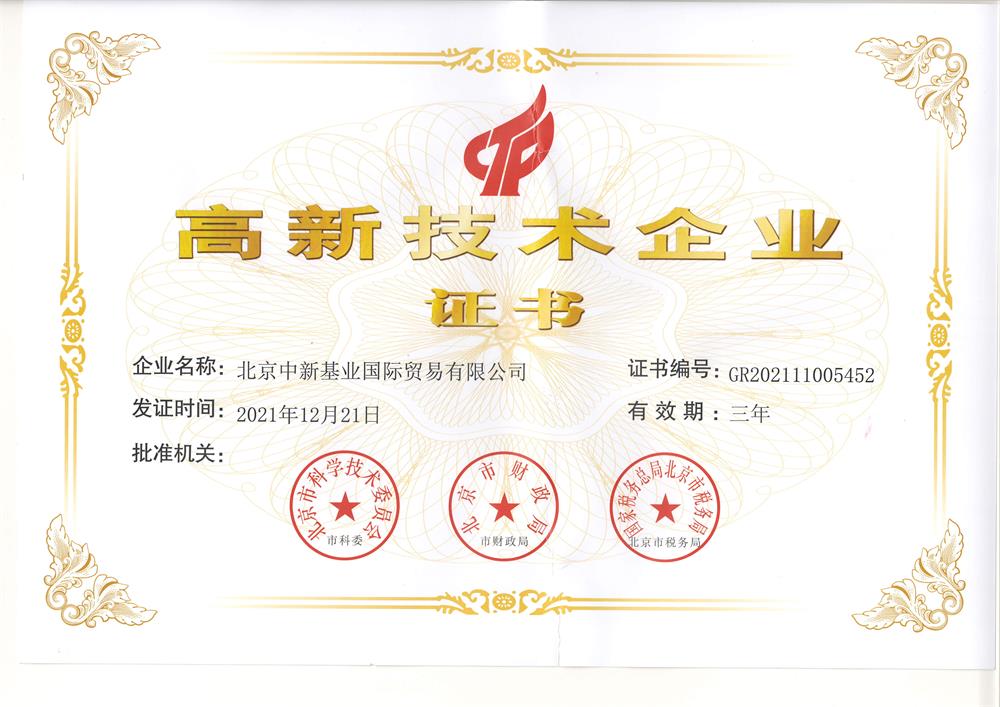
According to recent geotechnical infrastructure surveys, major piling contractors are shifting their attention to high-efficiency, multi-mode rigs. Systems complying with European Union CE Certification standards are at the forefront of this shift, ensuring strict compliance with dynamic stability, low-emission propulsion, and digital operator interface safety. As factories design next-generation hammer grabs and heavy-duty chiseling assemblies, the integration of hydraulic control and real-time telemetry is transforming percussion bored piles from a traditional mechanical process into a precision-engineered science.
Geotechnical Insight: Dynamic percussion methods exert massive vertical energy vectors directly onto the rock faces, micro-fracturing hard rock formations like basalt, quartzite, and karst limestone. This reduces rotational friction losses and eliminates tool wear issues common in traditional rotary methods.
Geological diversity across continents necessitates specific operational profiles for percussion pile installation. SINOVO Group designs and exports engineering solutions customized to these dynamic conditions:
Advanced electro-hydraulic controls optimize hammer release cycles, lowering energy losses and increasing impact efficiency by up to 25% compared to standard systems.
Built to meet CE certification standards, our machines reduce noise and limit fuel consumption through automated idle modes and sound-dampening structures.
Real-time depth tracking, vertical alignment checks, and dynamic impact logging keep pile excavation precise and reduce manual oversight.
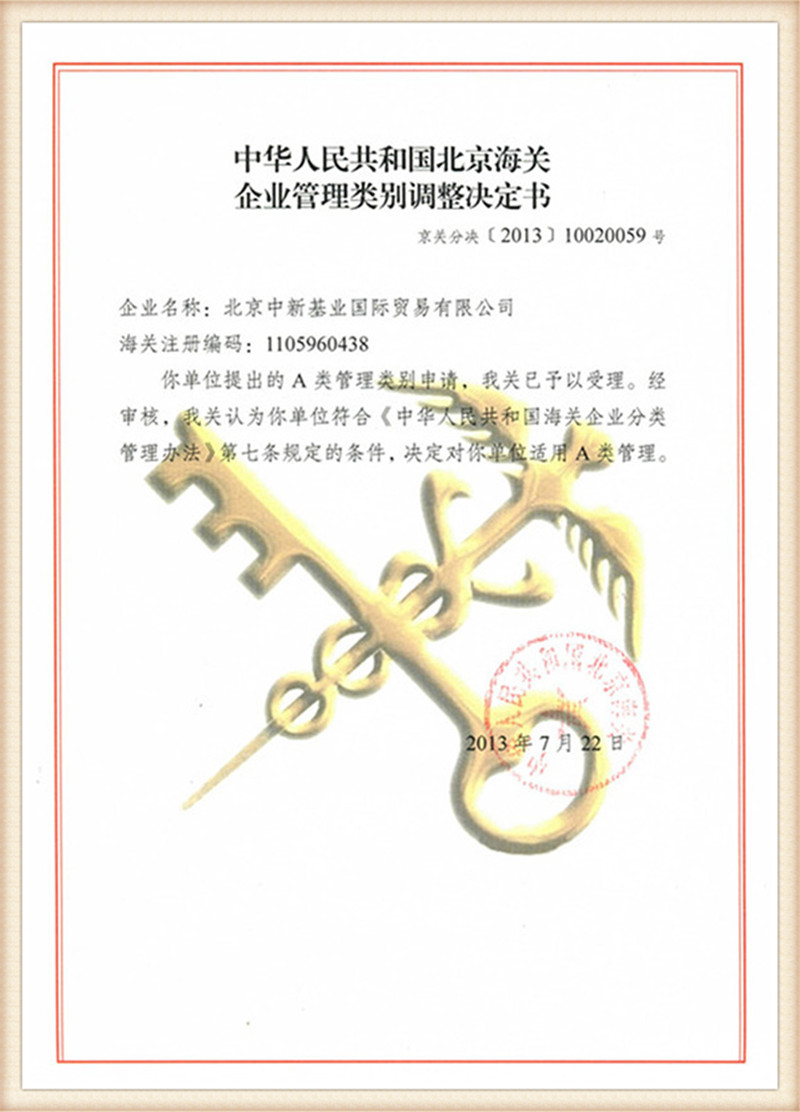
Established in the early 1990s, SINOVO Group has developed over 30 years into an international supplier of construction machinery and deep foundation solutions. We focus on pile construction machinery, water well drilling rigs, geological exploration systems, and customized drilling tools.
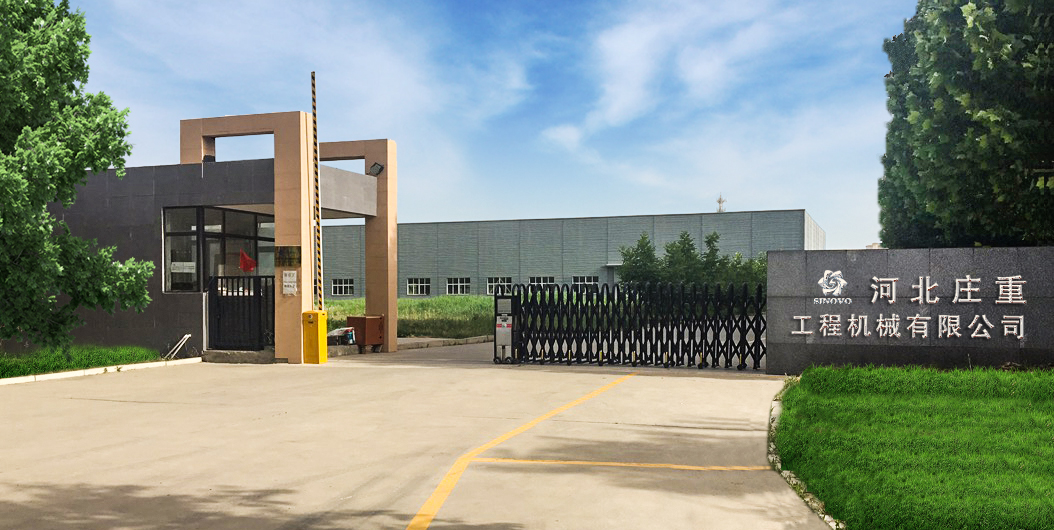
In 2008, we expanded our operations in Southeast Asia by establishing the TEG FAR EAST strategic alliance in Singapore. To support growing demand, SINOVO invested 120 million RMB in 2010 to build a 67-mu production and manufacturing base in the Hebei Xianghe Emerging Industry Demonstration Zone. Located just 100 kilometers from Tianjin Port, this facility ensures efficient global logistics and reduced transportation costs.
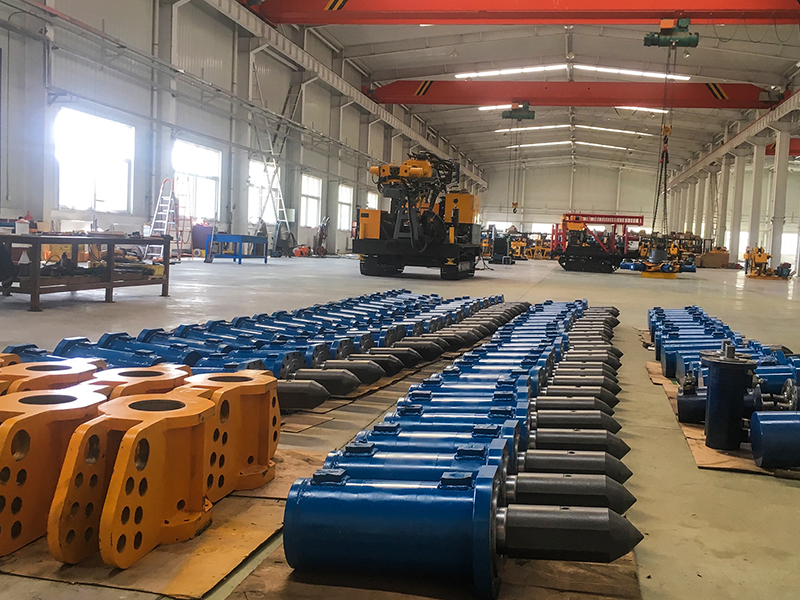
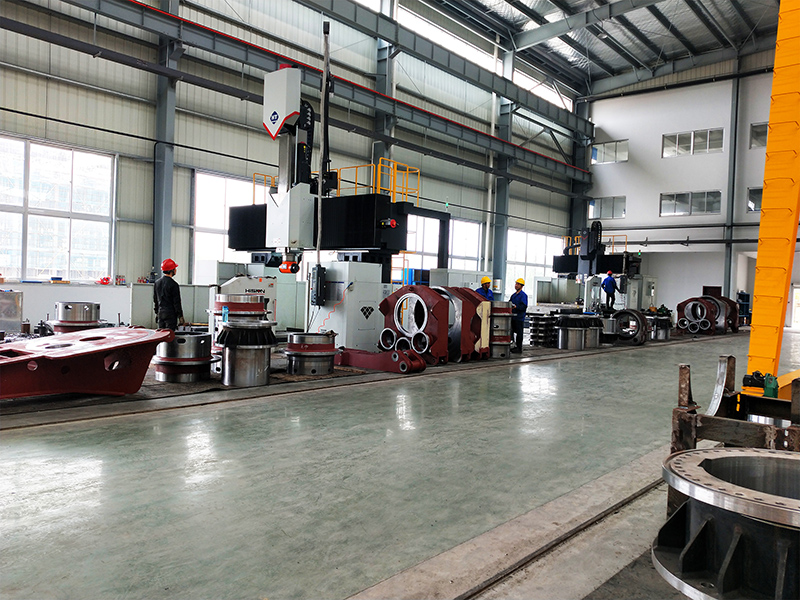
Our main manufacturing plant spans 7,800 square meters and houses over 50 advanced processing systems. SINOVO Heavy Industry maintains an annual production capacity of 1,000 core drilling rigs, 250 water well drilling units, and 120 rotary drilling rigs. Driven by professional engineers, we continue to innovate in electronic hydraulic control and transmission systems, keeping our machinery competitive on the global stage.

As urban environments grow denser and environmental regulations tighten, the technology behind percussion bored piling is evolving. The focus is shifting toward smarter engineering systems that reduce environmental impact while maintaining high productivity.
Future piling rigs are moving toward hybrid and fully electric hydraulic systems. By replacing diesel engines with electric drives in urban settings, sites can reduce direct emissions and meet strict local noise standards.
Next-generation rigs are incorporating automated vertical alignment and drop-cycle controls. Sensors monitor soil resistance in real time, adjusting impact energy to prevent tools from sticking and minimize unnecessary mechanical stress.
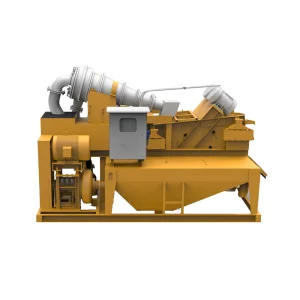
Efficient drilling relies on good slurry cleaning. By using compact desanding units like the SINOVO SD200, sites can recycle bentonite fluids effectively, lowering raw material needs and reducing waste disposal costs.
 SINOVO