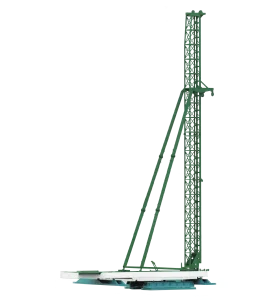
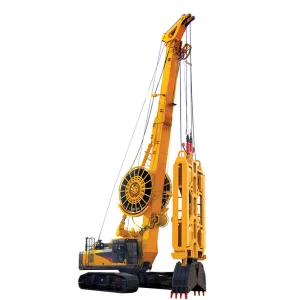
In modern civil engineering, structures are constantly pushing the limits of height and mass. Standard straight-shaft bored piles often encounter limitations when traversing deep, expansive clays, unstable strata, or when structural designs demand extremely high uplift forces. Under-reamed piles (also known as belled or bulb piles) solve these challenges. They are bored deep into the load-bearing strata, and then expanded at the base using a mechanical under-reaming tool. This structural modification creates a mechanical bulb or "bell" that utilizes both increased end-bearing surface area and structural soil anchoring to resist heavy load limits.
This technical whitepaper details the engineering mechanics, construction processes, local application scenarios, production efficiencies, and manufacturing insights behind under-reamed piles bored following standard straight-shaft pile installations.
Under-reamed piles distribute heavy structural loads differently than standard piles. Under vertical downward force, a standard pile relies heavily on shaft skin friction. An under-reamed pile utilizes the expansive surface area of the base bulb, increasing base capacity by 200% to 300% in cohesive soils. In tension/uplift scenarios, the soil above the bulb acts as a structural anchor, providing pull-out resistance.
The reaming ratio—the ratio of the expanded bulb diameter to the straight pile shaft diameter—typically ranges from 2.0 to 3.0. Maintaining this ratio prevents structural shear failure of the concrete interface and ensures safe soil containment. Utilizing advanced rotary rigs with sensor-based belling tools is critical for monitoring this process.
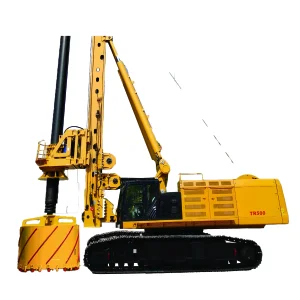
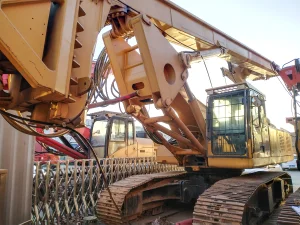
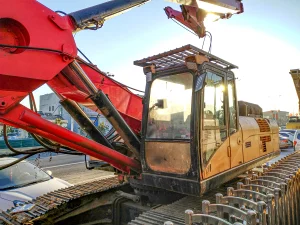
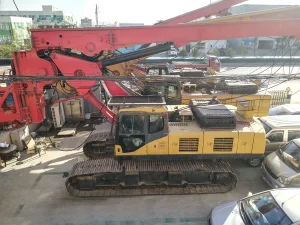
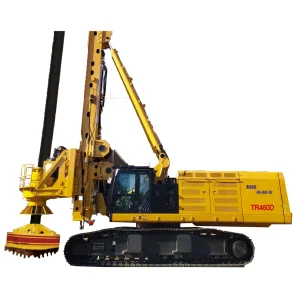
The "Bored Following" construction sequence involves first boring a standard straight shaft with a rotary rig. Once structural alignment and depth parameters are checked, a specialized under-reaming belling bucket is lowered down the shaft. Its mechanical arms expand outward to shape the anchor bulb, and loose soil is removed before placing the reinforcement cage and casting concrete.
Globally, heavy industrial foundations demand structural stability. Geotechnical engineers in the Americas, Europe, the Middle East, and Asia Pacific face varying soil conditions that require customized foundation configurations. Under-reamed piles are widely used in several key areas:
By shifting structural loads to deep, consolidated clay strata, under-reamed piles minimize total and differential settlement. The bell shape changes the failure zone in the surrounding soil from vertical shear to lateral compression, mobilizing a larger volume of soil to resist structural loads.
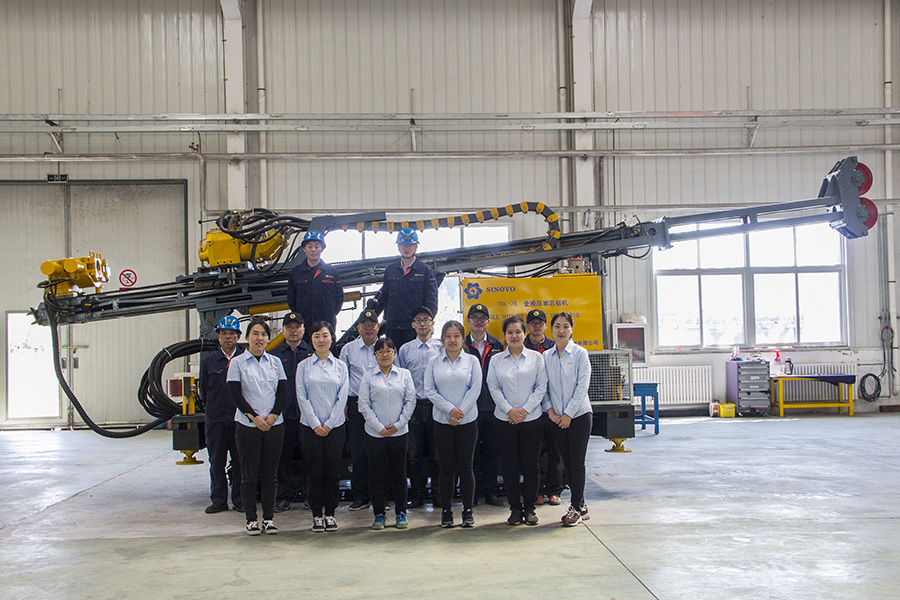
SINOVO Group is a professional supplier of construction machinery equipment and construction solutions. We operate across construction machinery, exploration equipment, import/export product representation, and construction scheme consulting, serving global construction and exploration industries.
Since the early 1990s, the core members of our company have worked in construction machinery. Over more than 20 years of development and innovation, we have established long-term strategic alliances with top equipment manufacturers in China and globally, winning numerous awards in export projects.
Our business mainly focuses on pile construction machinery, hoisting, water well drilling, and geological exploration equipment, as well as tooling solutions. We have established trade relationships with over 120 countries and regions, forming a sales and service network across five continents.
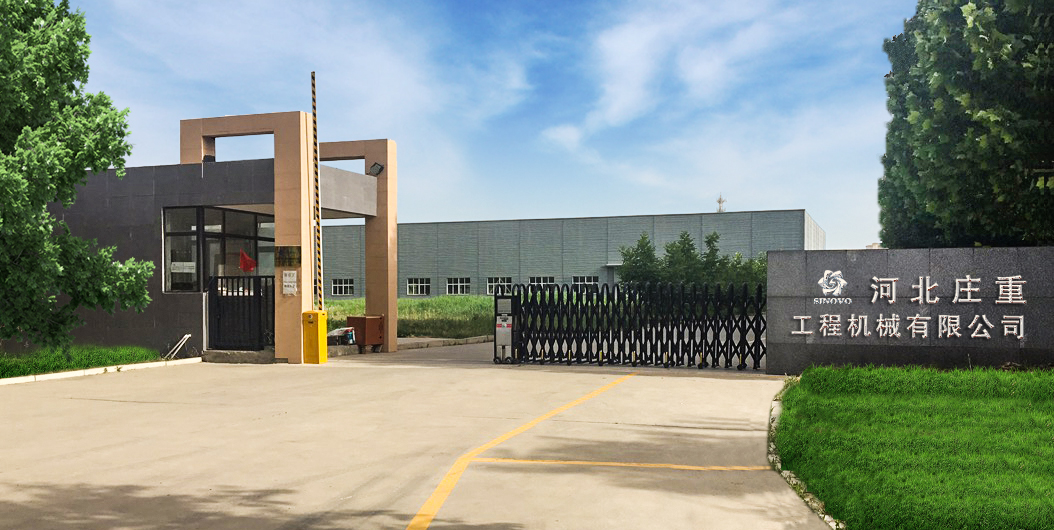
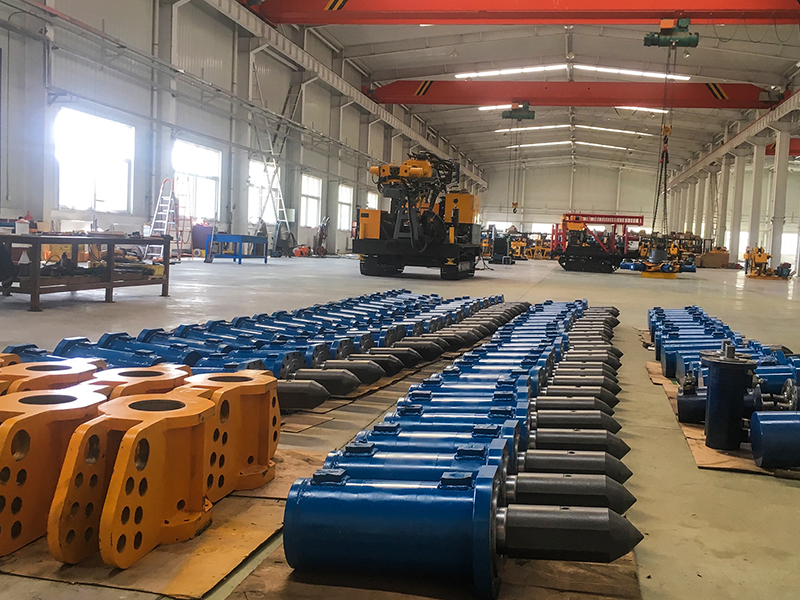
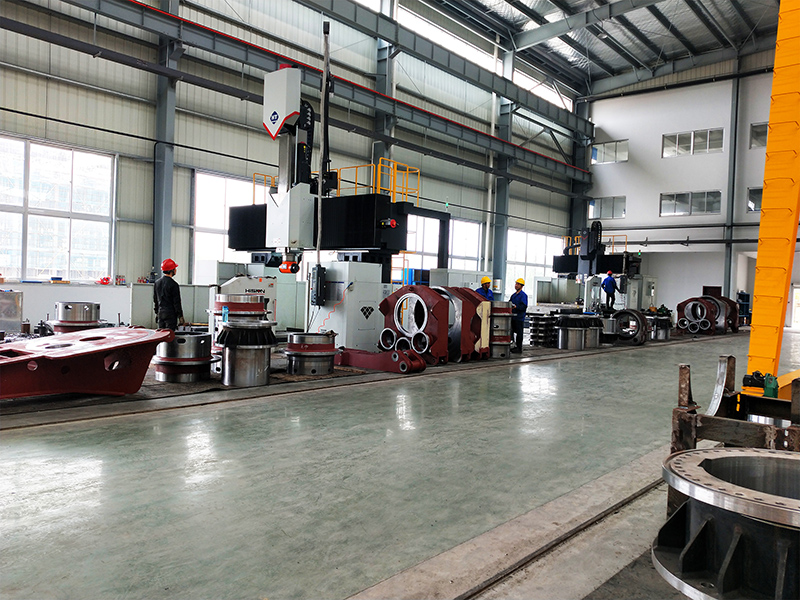
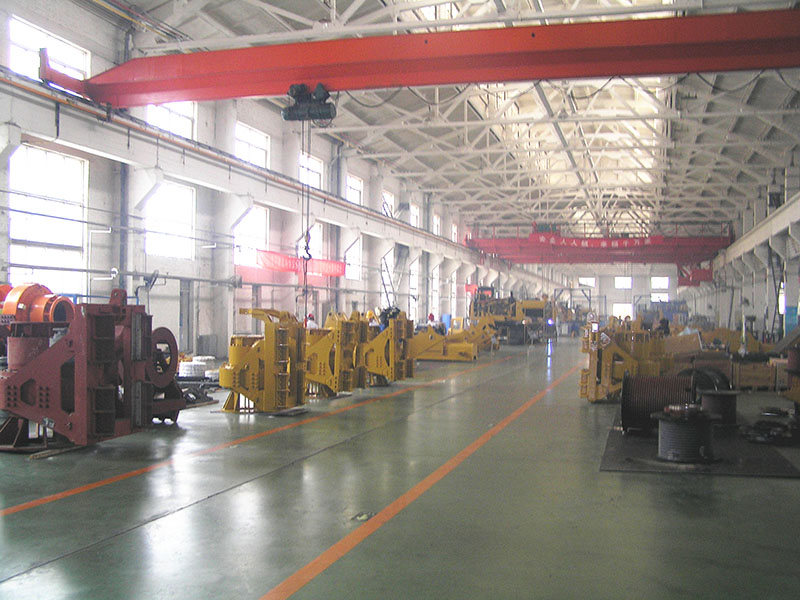
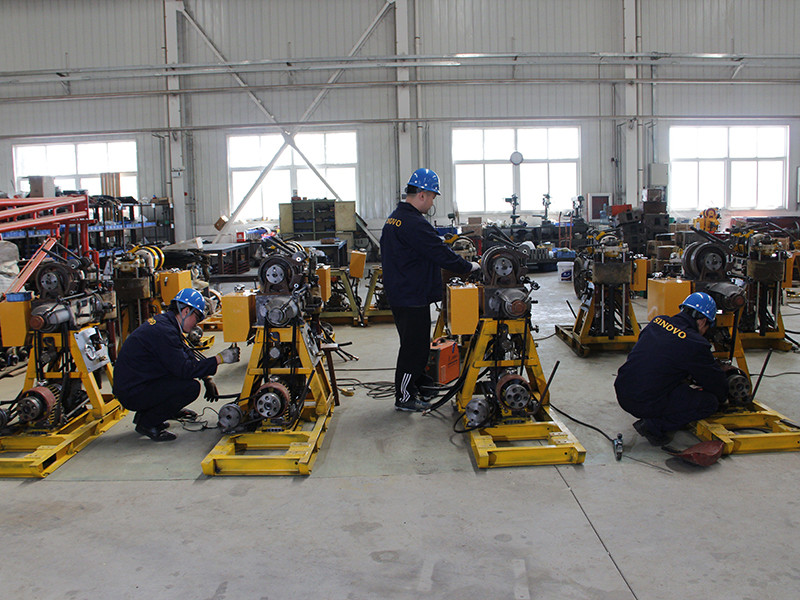
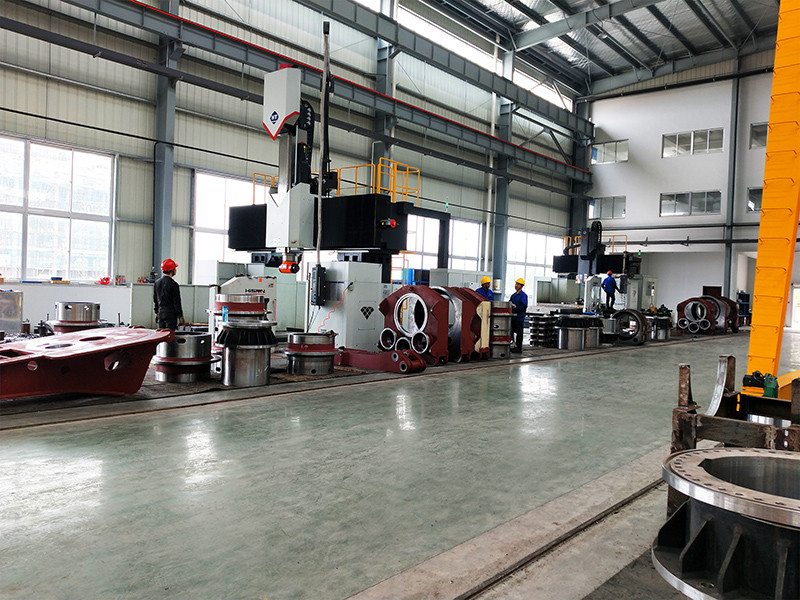
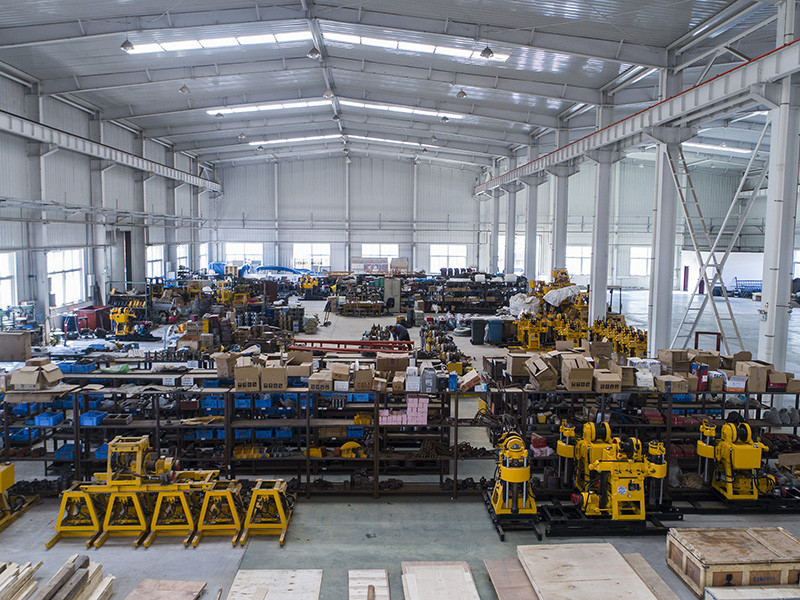
Our Beijing and Xianghe manufacturing hubs optimize the production of drilling rigs, belling buckets, and casing tools through strategic regional supply chain integration.
In 2010, SINOVO invested 120 million yuan in our Xianghe Industrial Demonstration Zone manufacturing base, covering 67 mu. This facility focuses on the R&D and production of piling machinery and exploration equipment.
Our factory is located in the Xianghe Industrial Park, just 100 kilometers from Tianjin Port. This proximity reduces transport times and costs for heavy machinery shipments.
Our engineers focus on electronic hydraulic control systems, drive mechanics, and structural design, keeping our equipment competitive in terms of performance and value.
| Equipment Category | Annual Production Output | Core System Sourcing | Compliance & Certifications |
|---|---|---|---|
| Core Drilling Rigs | 1,000 Units | International / Domestic High-grade | ISO9001:2015, CE, GOST |
| Water Well Drilling Rigs | 250 Units | Integrated Electronic-Hydraulic | ISO9001:2015, CE |
| Rotary Drilling Rigs | 120 Units | Heavy Duty Structural Steel / Top Hydraulic Drives | ISO9001:2015, CE, GOST |
Our history reflects continuous technical adaptation and strategic expansion in global markets:
We support our machinery with a structured service system, offering warranties, operator training, and technical assistance.
We provide structural analyses, geotechnical suggestions, and custom tool designs. Equipment can be modified to meet project specifications, with options for third-party inspections.
Standard delivery times range from 10 to 15 days, depending on configuration and customization requirements. We coordinate logistics to ensure on-time delivery.
We provide a one-year warranty on our drilling rigs. This includes operator training, system setup, and wearing parts replacement during the warranty period.
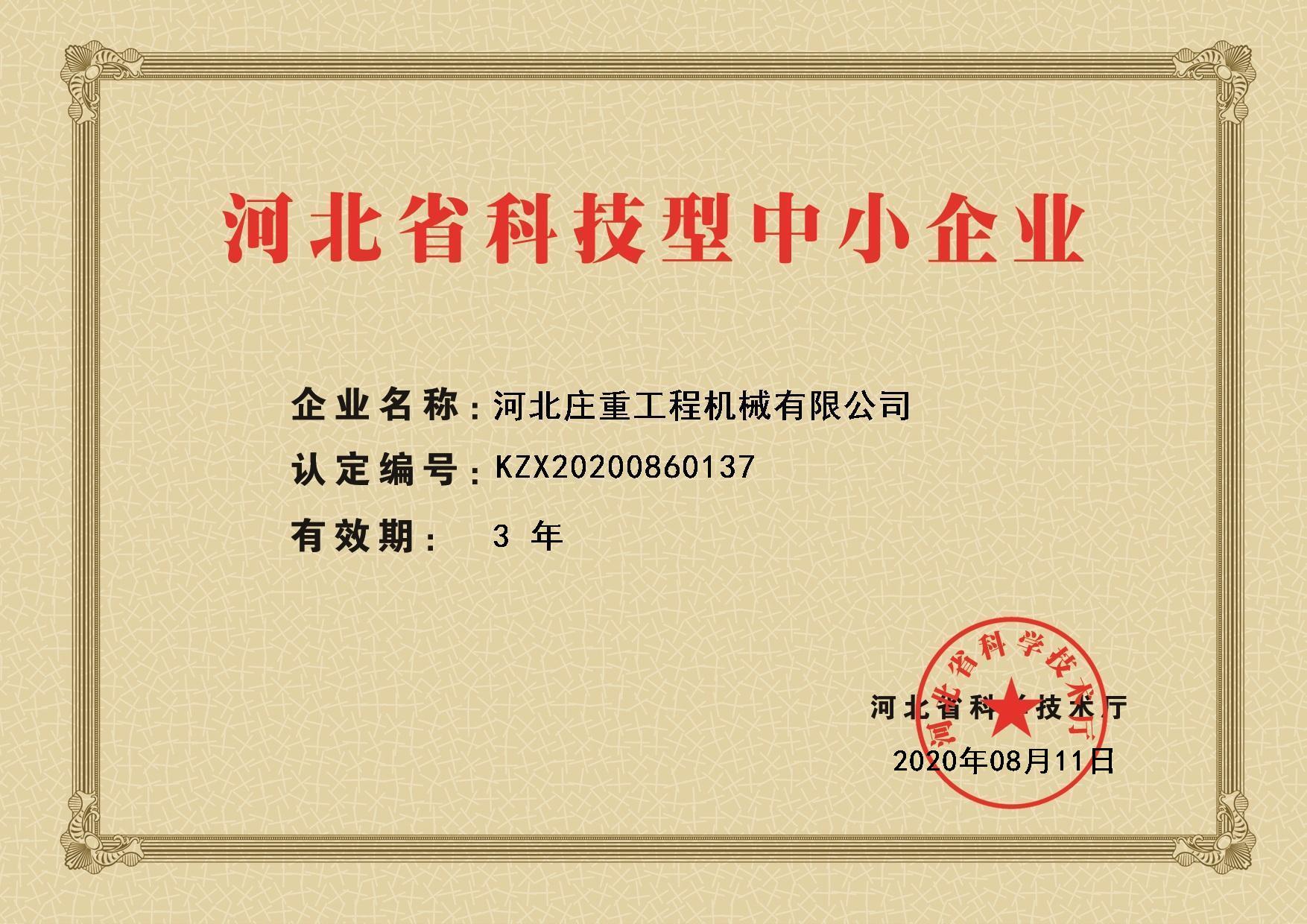
Our engineering designs and manufacturing processes comply with international safety and quality standards.

ISO9001 Management
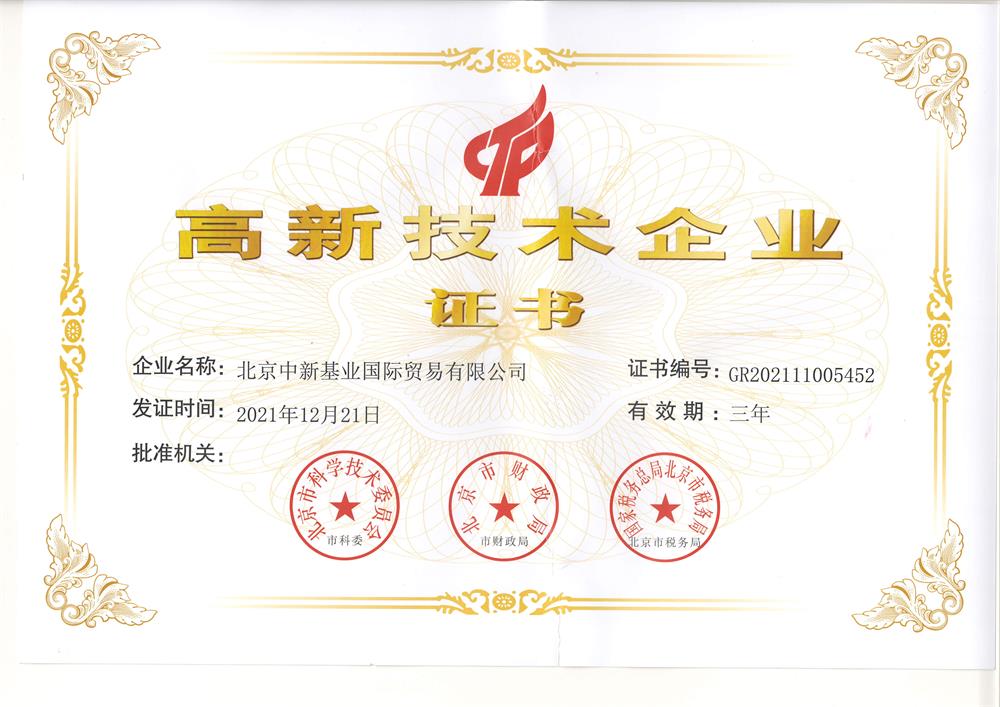
High-Tech Enterprise
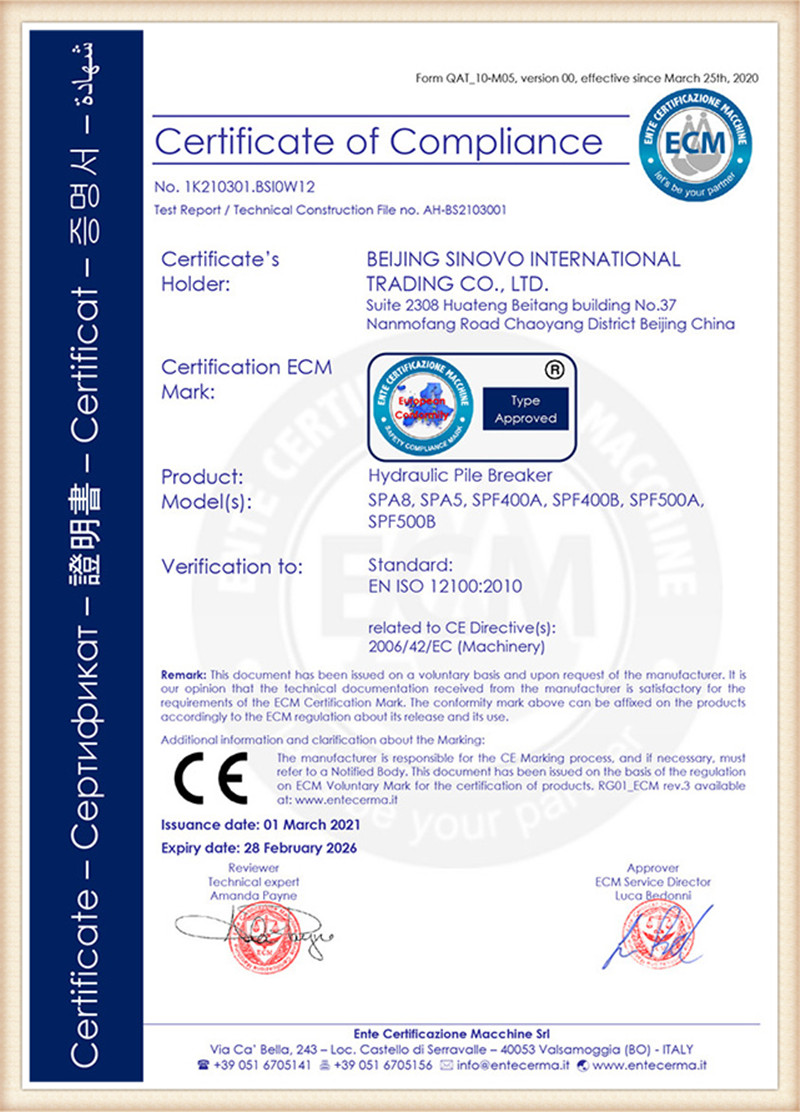
CE Quality Mark
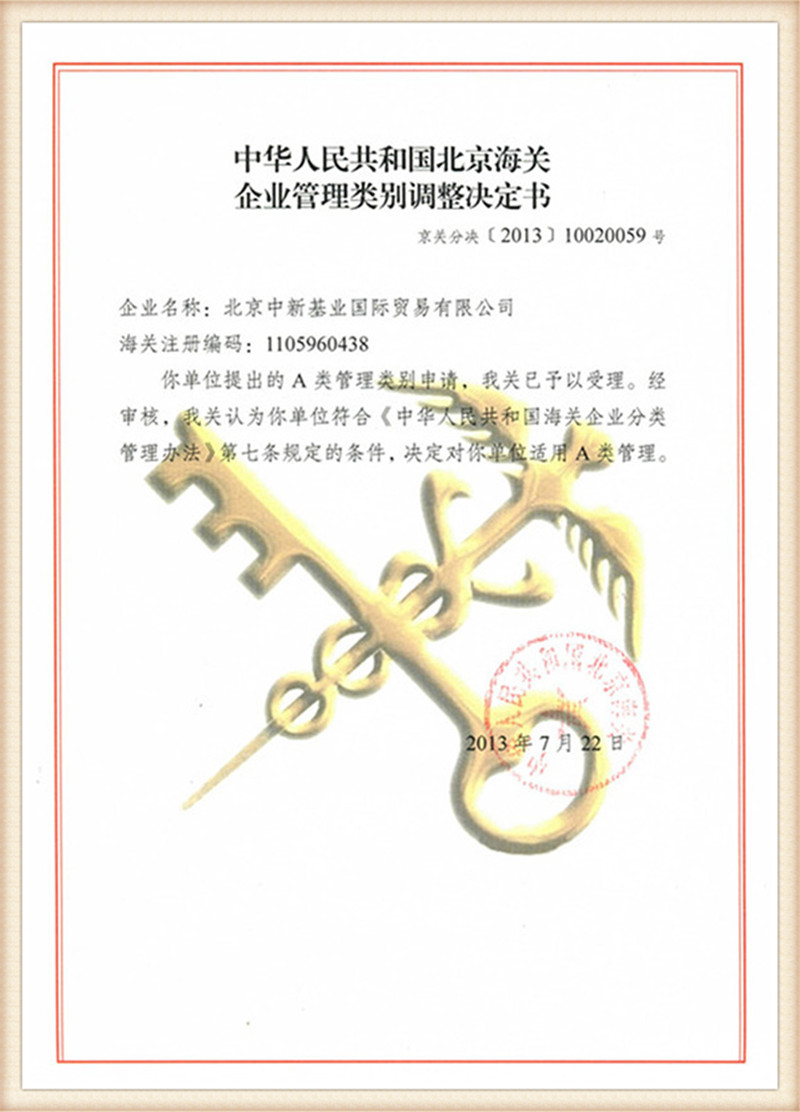
Customs Class A
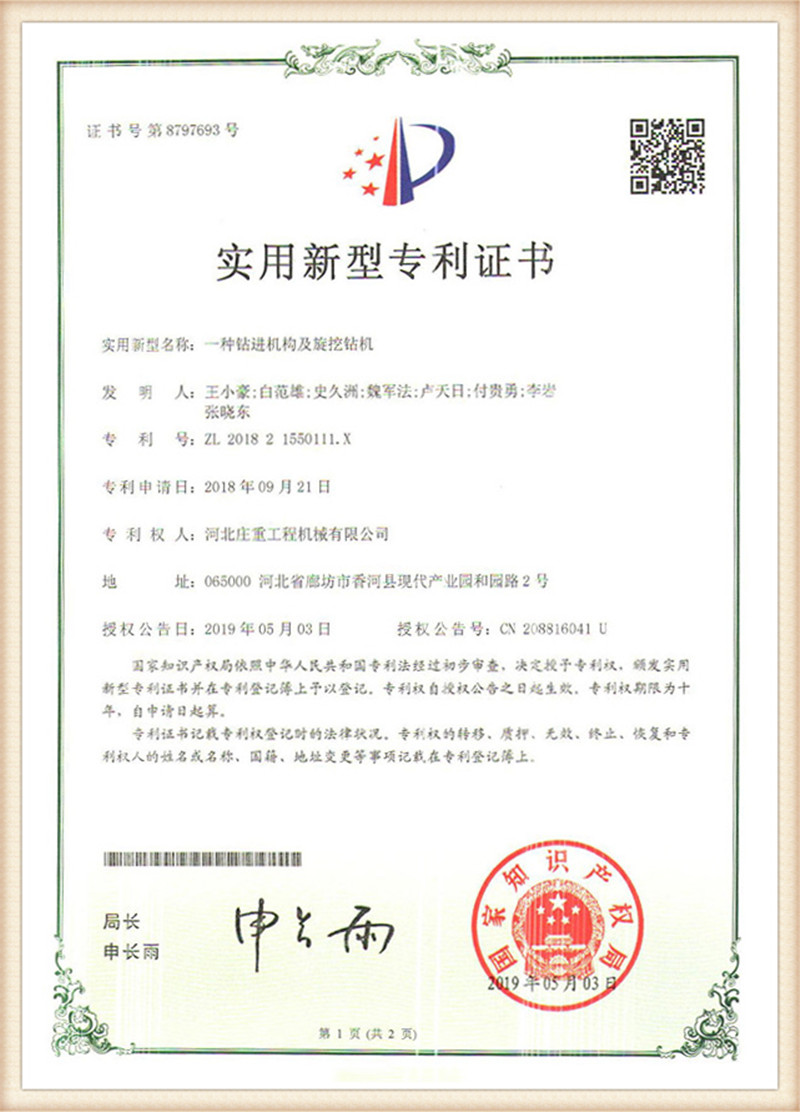
Patent Certificate (1)
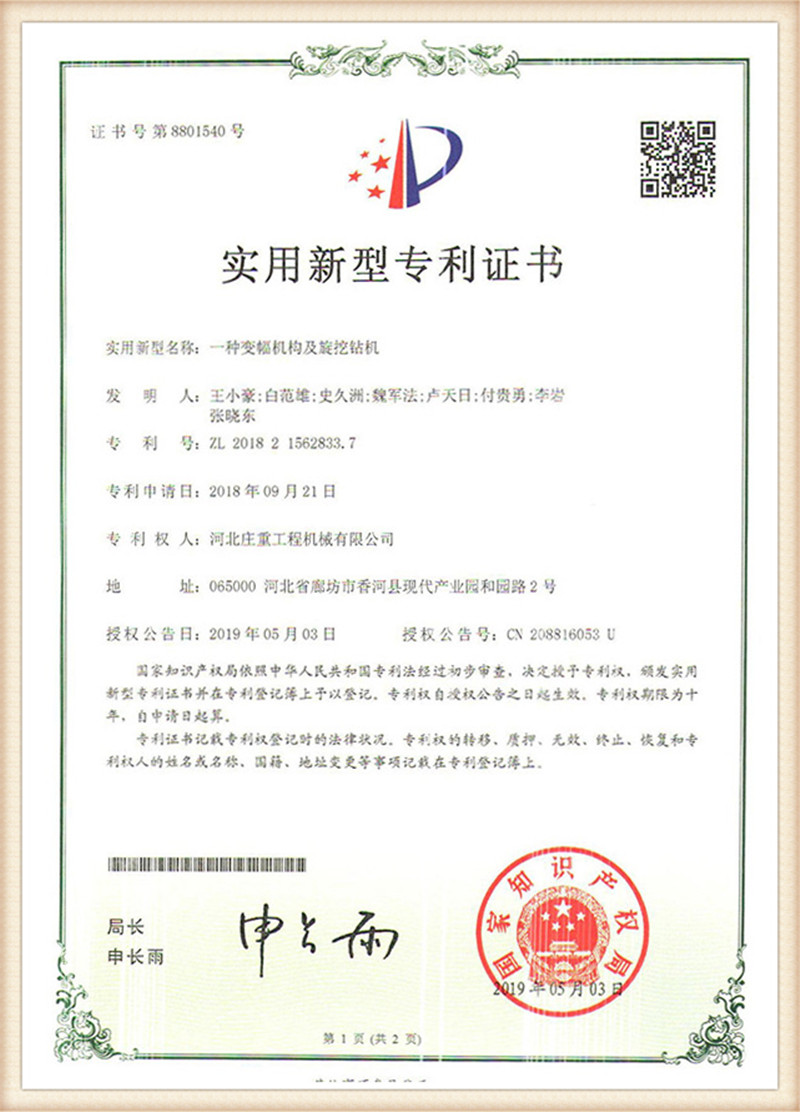
Patent Certificate (2)
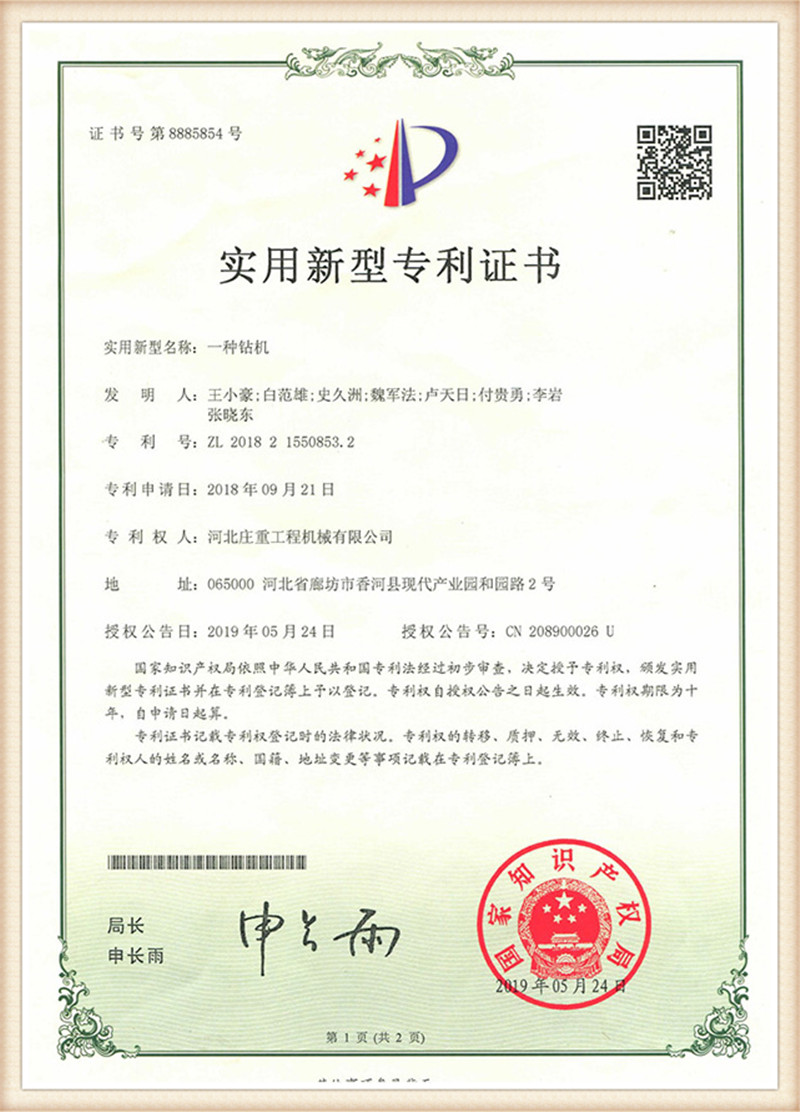
Patent Certificate (3)
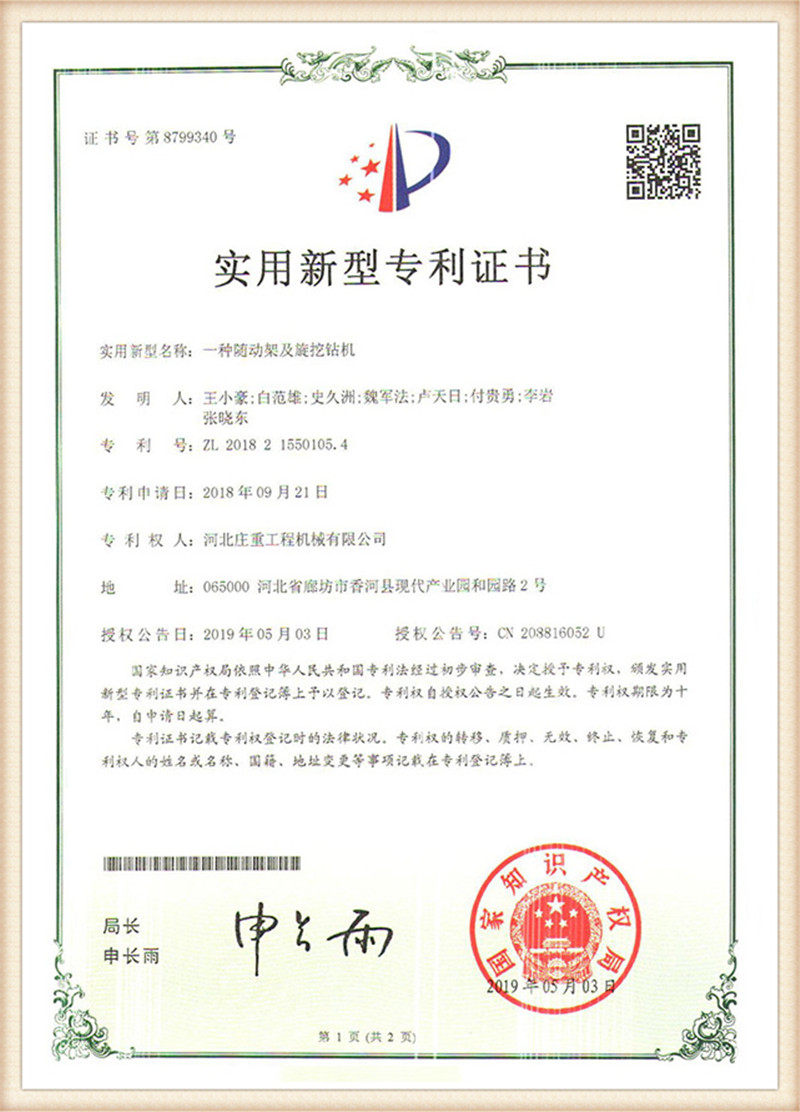
Patent Certificate (4)
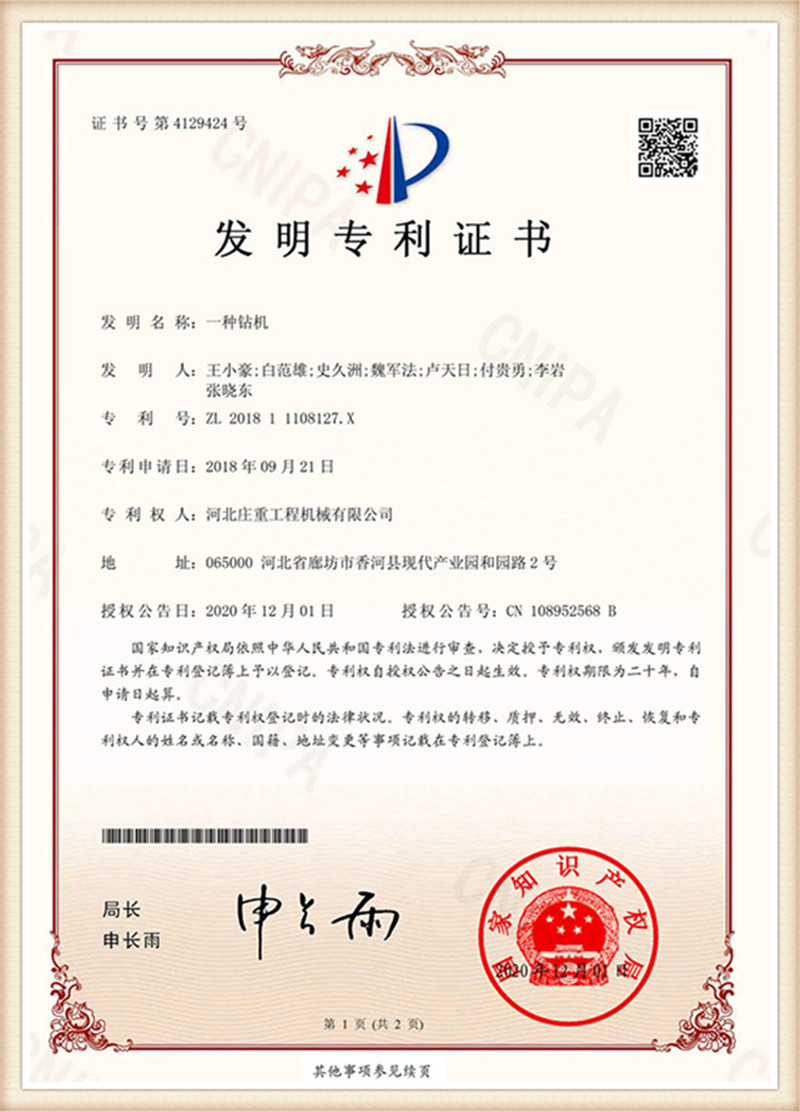
Patent Certificate (5)
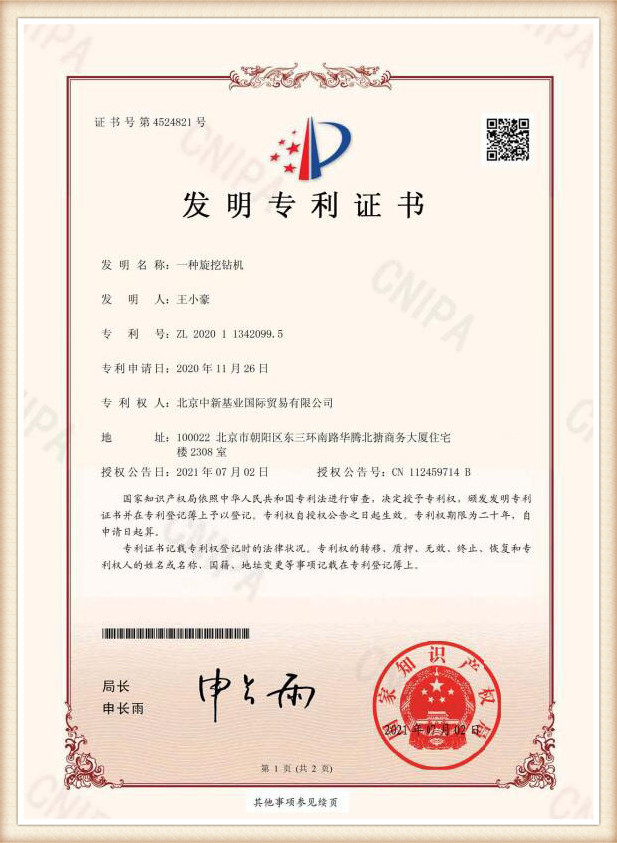
Patent Certificate (6)
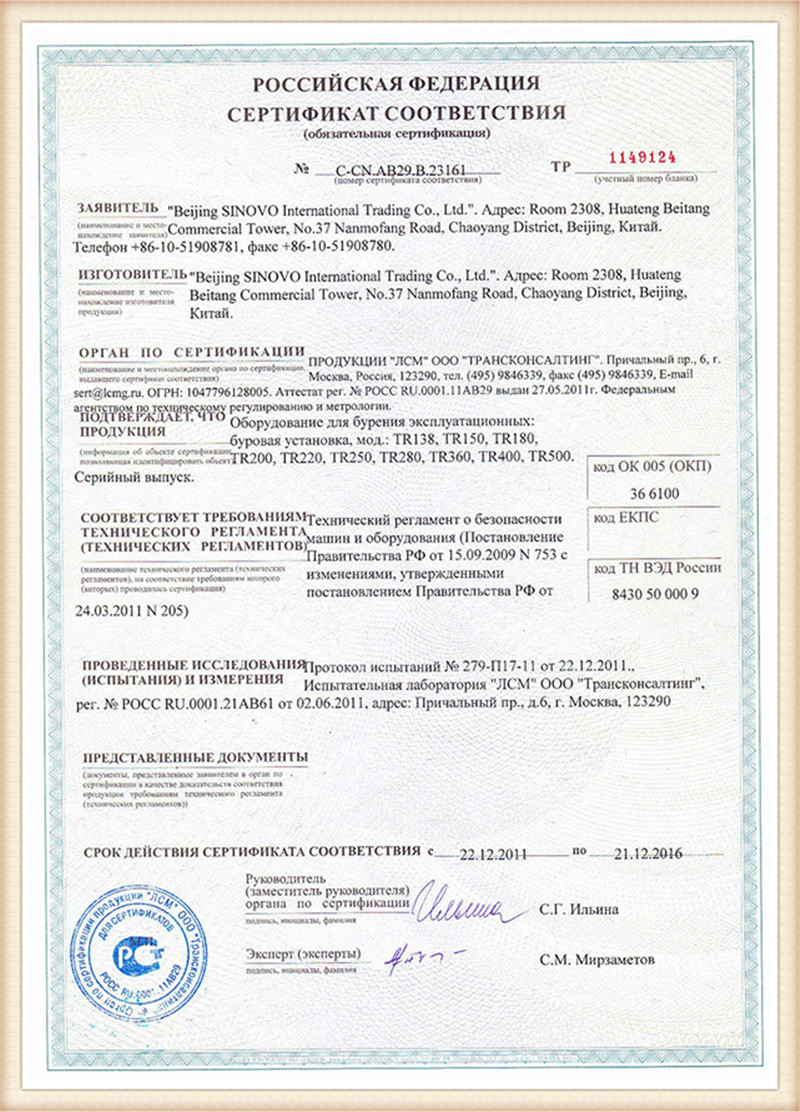
GOST(TR)Certificate(1)
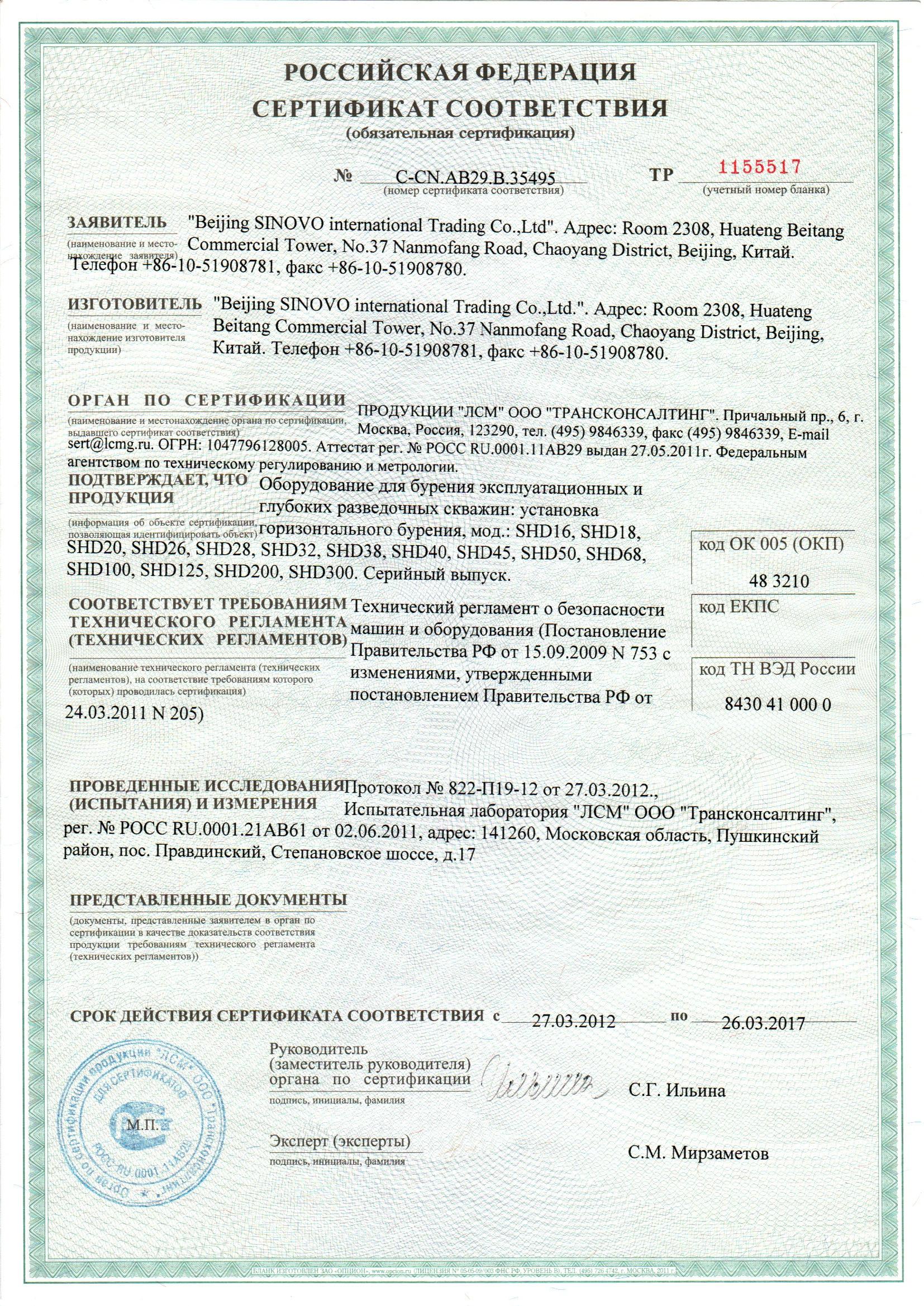
GOST(TR)Certificate(2)
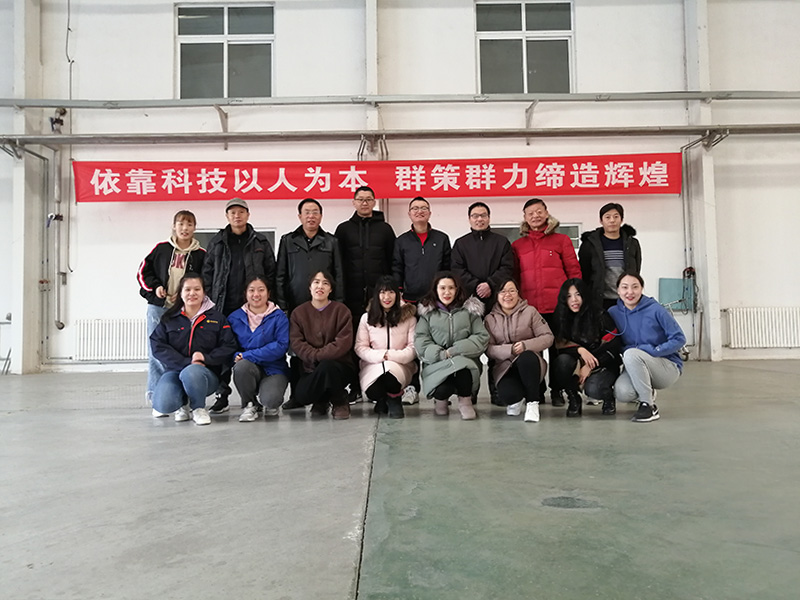
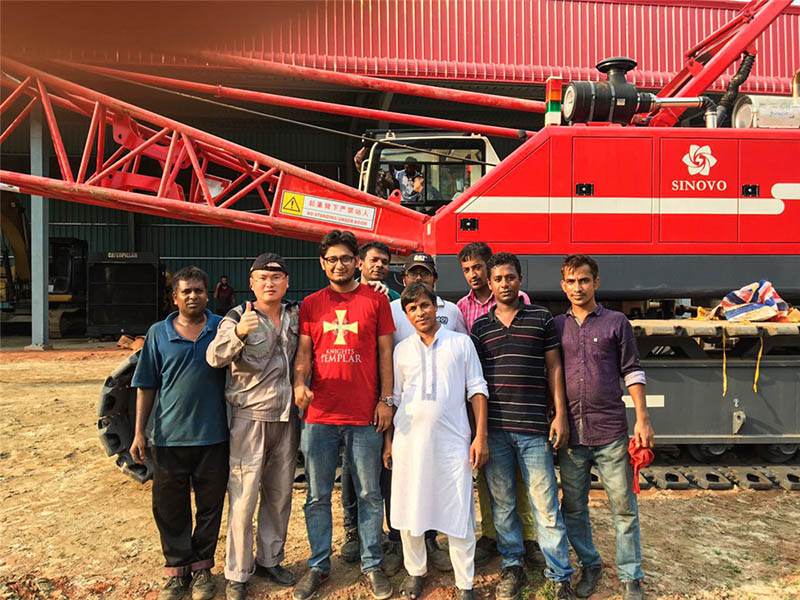
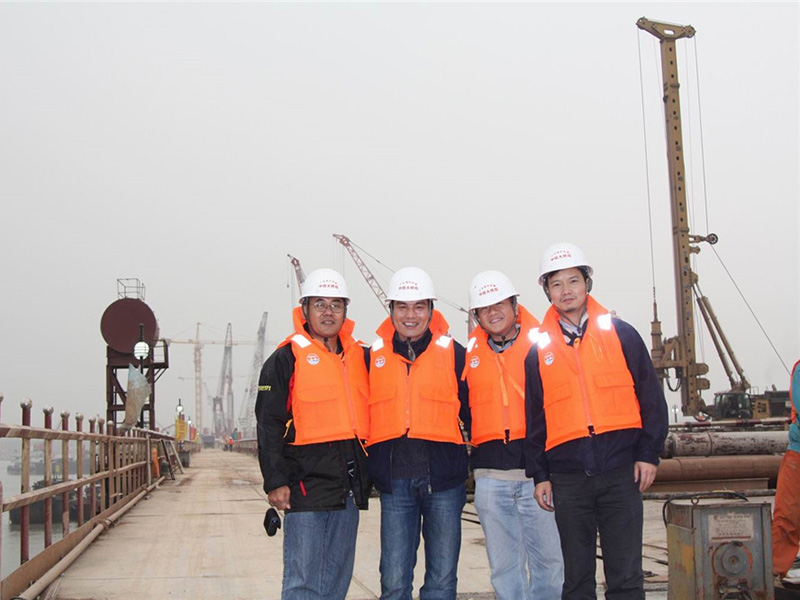
SINOVO equipment is deployed on construction and exploration projects worldwide. Here are some of our project cases:
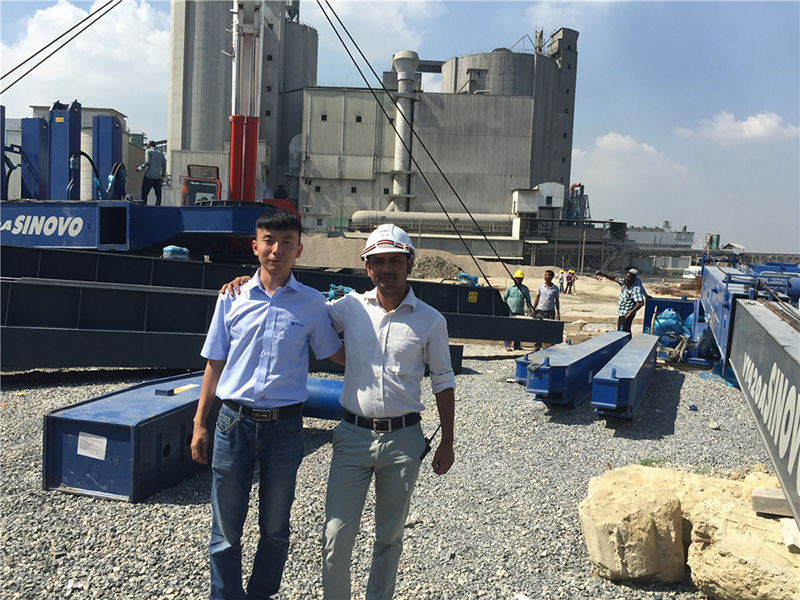
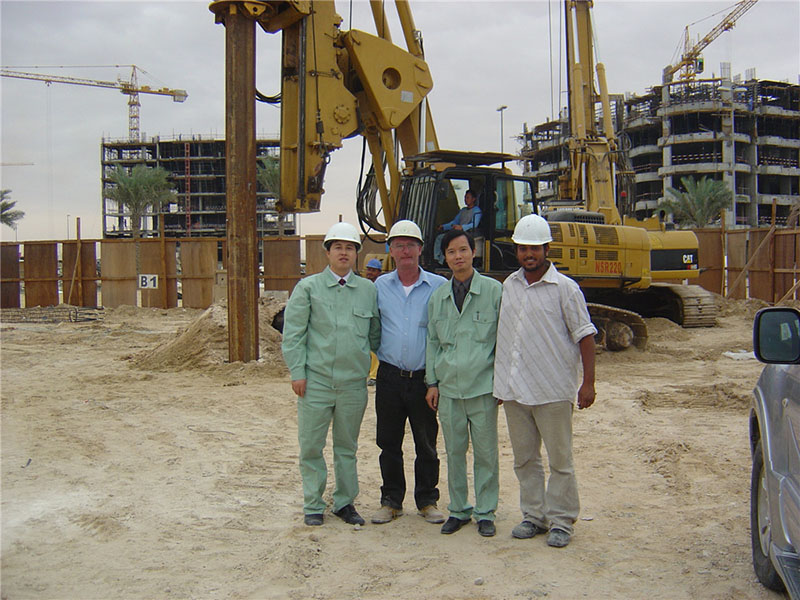
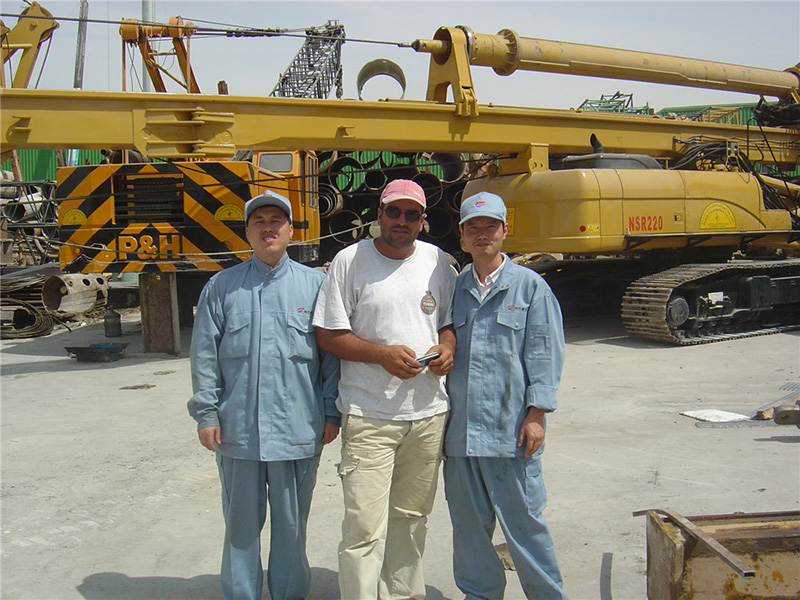
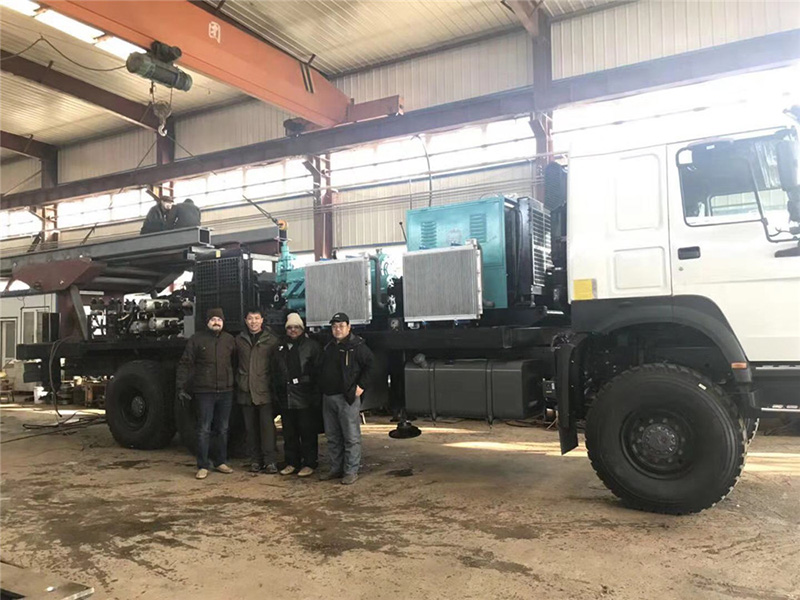
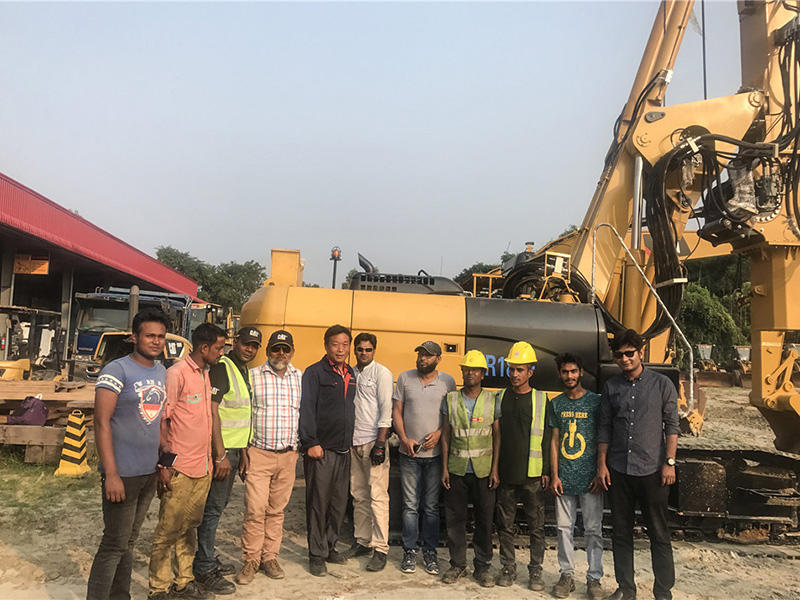
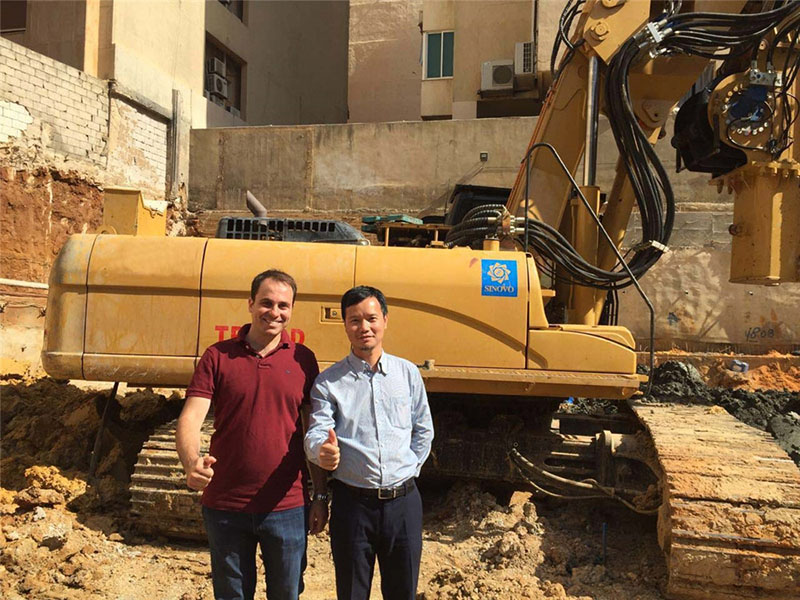
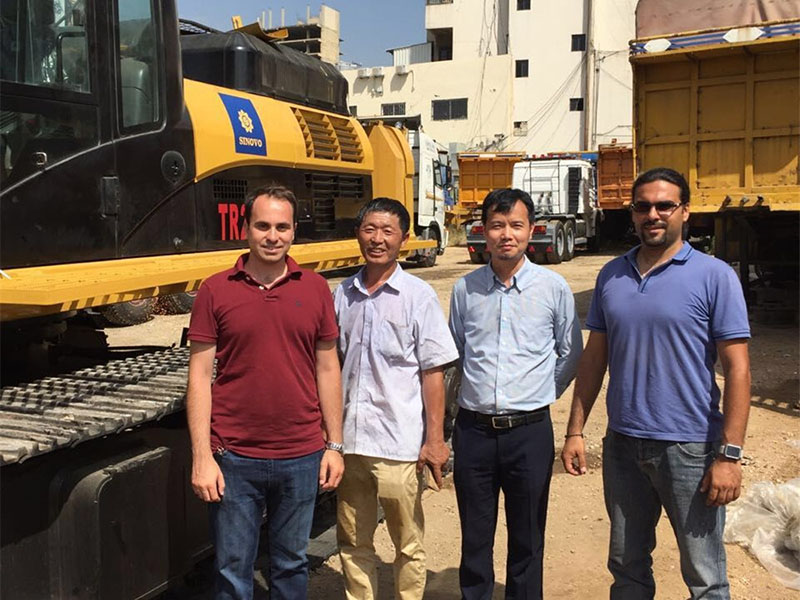
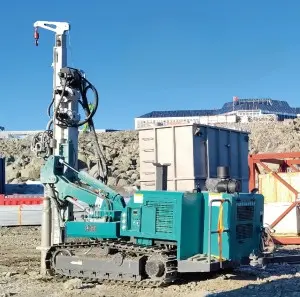
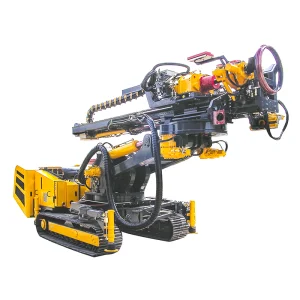
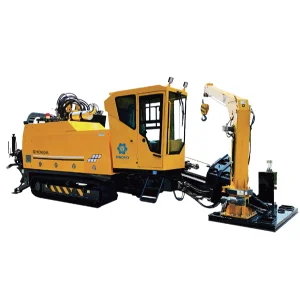
A versatile engineering drilling machine combining efficiency, flexibility, and stability. Designed for high-precision drilling operations, it is suitable for micro piles, photovoltaic installation holes, anchor bolt holes, and blasting applications in varied geological strata.
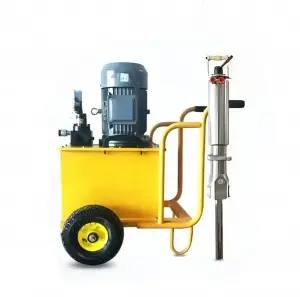
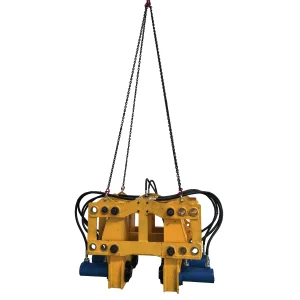
Utilizes high-pressure hydraulic oil as its primary power source, applying oblique wedge mechanics to generate splitting forces ranging from hundreds to thousands of tons. This equipment splits massive boulders and separates hard ore formations in seconds.
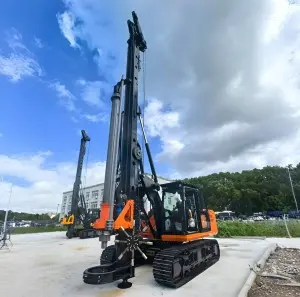
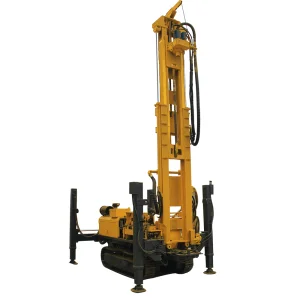
A self-erecting rig featuring hydraulic load-back mechanics and electronic control integrations. Designed for standard drilling with telescopic friction or interlocking Kelly bars, with options for Continuous Flight Auger (CFA) operations.
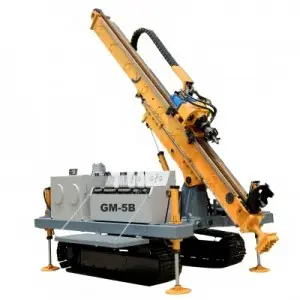
Designed for urban deep foundation pit support, slope stabilization, anti-floating anchors, tunnel grouting, and blasting hole construction. Supports single-tube and double-tube rotary jet grouting applications.
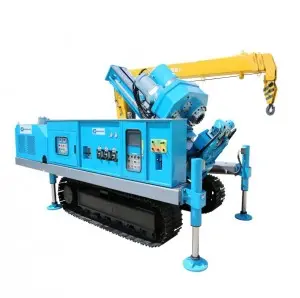
Suitable for foundation reinforcement, soil stabilization, water-blocking, and soft-ground consolidation. Features a 3-ton crane arm to assist in managing drill rods and casings.
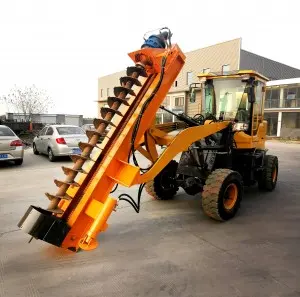
Built on a loader chassis, this model is designed for small-diameter, shallow foundation projects such as utility pole and photovoltaic pile installations.
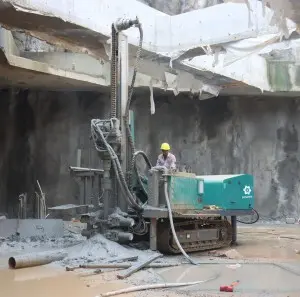
Supports water and gas dual-mode operations. Suitable for anti-floating anchors, slope support, high-pressure rotary spraying, tunnel grouting, casing drilling, and micro-pile installations.
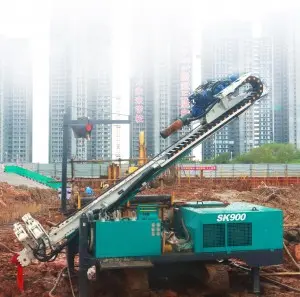
Features a high-power top-impact power head that operates without down-the-hole hammers or high-pressure air compressors in specific formations. Designed for drilling through gravel, sand, and collapsing strata.
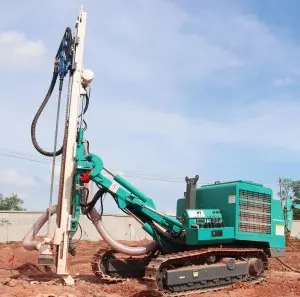
Designed for drilling φ50-90mm holes in confined construction environments. Compact chassis and off-road mobility make it suitable for blasting operations in underground mining and urban excavation pits.
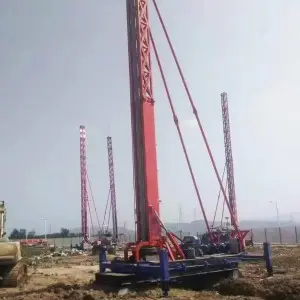
Equipped with a 75kW main motor, 18.5kW drilling motor, and 18.5kW oil pump motor. Features a maximum drilling force of 460KN and operates at depths up to 28M with pile diameters up to Ø1200mm.
Detailed answers to common technical questions regarding design criteria, operational mechanics, and excavation procedures.
 SINOVO